Adia
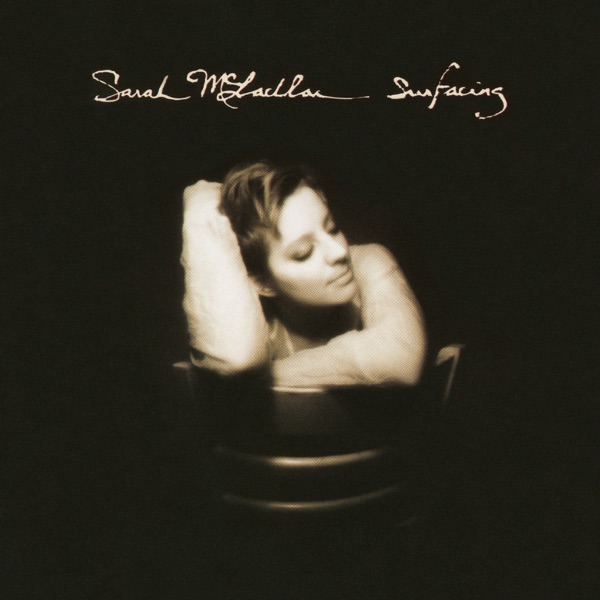
Sarah McLachlan · Surfacing
A gentle reach for grace and self-forgiveness after failure.
Where the words land
Signal: Edifying, leaning worth weighing.
What do these signals mean?
- Edifying: Points the heart toward God, truth, hope, or love.
- Worth Weighing: Real good and real concern together. Test it before you take it in.
- Strained: Strains against Scripture: leans toward what could dull or mislead.
- At Odds: At odds with Scripture: celebrates what it warns against. Little here builds up.
Weighed against Scripture
“Adia, I do believe I failed you”
“for all have sinned and fall short of the glory of God,”
The admission of failure mirrors the universal reality of falling short, though the song doesn't name sin against God specifically.
“Cause we are born innocent”
“Therefore, just as sin entered the world through one man, and death through sin, so also death was passed on to all men, because all sinned.”
Scripture teaches we are born into sin's effects, not moral innocence; the song's comforting claim stands in tension with that, even as it reaches for grace.
The song as a whole
“For I know my transgressions, and my sin is always before me. Against You, You only, have I sinned and done what is evil in Your sight, so that You may be proved right when You speak and blameless when You judge.”
Like David's confession, the song moves past blame-shifting toward owning one's part in the brokenness.
“I waited patiently for the LORD; He inclined to me and heard my cry. He lifted me up from the pit of despair, out of the miry clay; He set my feet upon a rock, and made my footsteps firm.”
The longing to be rescued and lifted out of misery echoes the psalmist's cry for deliverance, though here a friend stands in the rescuer's place.
“If we confess our sins, He is faithful and just to forgive us our sins and to cleanse us from all unrighteousness.”
The song's whole posture, grasping for forgiveness and restored belief in one's own worth, echoes the deeper promise that confession leads to real cleansing and renewal.
In short
This is a song about the ache of failing someone you love and the desperate hope that forgiveness is still possible. McLachlan doesn't resolve the guilt with easy answers; she reaches for the idea that people remain worthy of love despite their failures. It's tender and searching rather than hopeless, even if the grace it offers comes from human comfort rather than anything beyond it.
- Spiritual posture
The song reaches for grace and self-forgiveness amid failure, wrestling honestly with guilt rather than wallowing in it.
- Apparent intent
McLachlan processes regret and the ache to be forgiven, offering comfort rather than despair, though without naming a source of grace.
What do these ratings mean?
- Lyrical content, what the words say on the surface. Clean: nothing coarse, sexual or violent. Mild: a trace of it, by allusion or a rare word. Strong: profanity, sex or violence in plain words. Explicit: graphic, or sin held up to admire.
- Spiritual posture, where the song's heart points. God-honoring: toward God, truth or hope. Searching: honestly reaching or wrestling toward truth, without arriving. Neutral: spiritually indifferent; neither reaches nor rejects. Dark: despairing, nihilistic, self-exalting or hostile to God.
- Apparent intent, what the song is for. Edifying: worship, encouragement, honest lament. Cathartic: letting grief, anger or longing out, told honestly. Ambiguous: hard to say what the song is for. Harmful: celebrates evil, mocks faith or draws toward sin.
Where do you place your hope for being truly forgiven: in a friend's reassurance, or in something larger that can actually make you new?
An AI-assisted reading. It can misread a lyric, a metaphor or a song’s intent.


