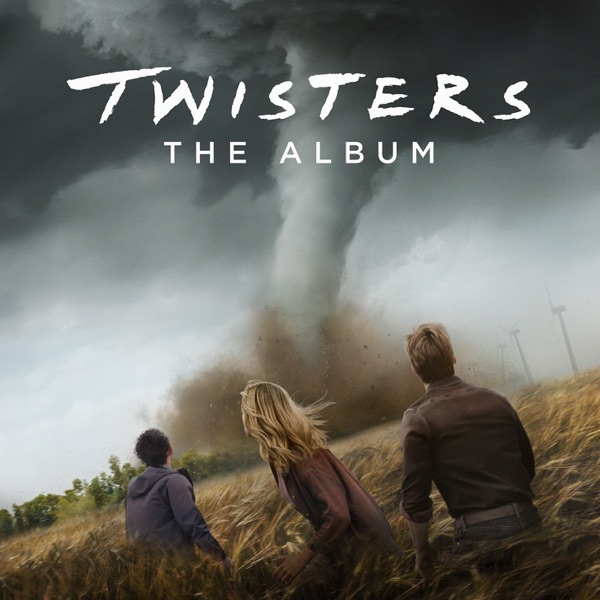
Ain't No Love In Oklahoma
Luke Combs · Twisters: The Album
Honest about inner turmoil, but stuck in the loop rather than breaking free
Where the words land
Signal: Worth Weighing, leaning strained.
What do these signals mean?
- Edifying: Points the heart toward God, truth, hope, or love.
- Worth Weighing: Real good and real concern together. Test it before you take it in.
- Strained: Strains against Scripture: leans toward what could dull or mislead.
- At Odds: At odds with Scripture: celebrates what it warns against. Little here builds up.
Weighed against Scripture
“I got saved in the same Red River”
“Or aren’t you aware that all of us who were baptized into Christ Jesus were baptized into His death? We were therefore buried with Him through baptism into death, in order that, just as Christ was raised from the dead through the glory of the Father, we too may walk in newness of life.”
The river as both near-drowning and the place of being saved recalls the paradox of baptism: death to self even as the waters threaten to overwhelm.
“It ain't knocking me down, I'm standing my ground”
“He reached down from on high and took hold of me; He drew me out of deep waters. He rescued me from my powerful enemy, from foes too mighty for me.”
Like the psalmist pulled from deep waters by God's hand, the narrator senses he's held up despite being overwhelmed, though he doesn't credit a rescuer explicitly.
“Pray for peace, but I need the thrill”
“So this is the principle I have discovered: When I want to do good, evil is right there with me. For in my inner being I delight in God’s law. But I see another law at work in my body, warring against the law of my mind and holding me captive to the law of sin that dwells within me. What a wretched man I am! Who will rescue me from this body of death?”
Unlike Paul's cry for deliverance from this conflict, the narrator seems resigned to the tension, wanting peace but still preferring the thrill, leaving the struggle unresolved.
The song as a whole
“I do not understand what I do. For what I want to do, I do not do. But what I hate, I do. And if I do what I do not want to do, I admit that the law is good. In that case, it is no longer I who do it, but it is sin living in me that does it. I know that nothing good lives in me, that is, in my flesh; for I have the desire to do what is good, but I cannot carry it out. For I do not do the good I want to do. Instead, I keep on doing the evil I do not want to do.”
Paul's own confession of doing the very thing he hates mirrors this cycle of chasing a familiar destructive pattern despite knowing where it leads.
In short
This is a song about being caught in a loop of self-destructive craving, dressed in storm and train imagery rather than literal confession. The narrator admits being both fearless and terrified, saved yet still drawn to the danger that nearly drowned him. There's real honesty here about internal war, but the song doesn't resolve toward hope, it just keeps circling the same highway.
- Lyrical content
No profanity or explicit content; imagery of storms, trains, rivers, and a chasing devil conveys inner turmoil through metaphor.
- Spiritual posture
The narrator names the pull of self-destruction honestly and even gestures toward being 'saved,' but admits he still craves the thrill over the peace he prays for.
- Apparent intent
This reads as a candid, almost confessional country ballad about wrestling internal demons rather than glamorizing them; it's more diagnosis than invitation.
What do these ratings mean?
- Lyrical content, what the words say on the surface. Clean: nothing coarse, sexual or violent. Mild: a trace of it, by allusion or a rare word. Strong: profanity, sex or violence in plain words. Explicit: graphic, or sin held up to admire.
- Spiritual posture, where the song's heart points. God-honoring: toward God, truth or hope. Searching: honestly reaching or wrestling toward truth, without arriving. Neutral: spiritually indifferent; neither reaches nor rejects. Dark: despairing, nihilistic, self-exalting or hostile to God.
- Apparent intent, what the song is for. Edifying: worship, encouragement, honest lament. Cathartic: letting grief, anger or longing out, told honestly. Ambiguous: hard to say what the song is for. Harmful: celebrates evil, mocks faith or draws toward sin.
Does this song's honesty about the pull toward destruction leave you more aware of your own need for rescue, or does it just romanticize staying in the storm?
An AI-assisted reading. It can misread a lyric, a metaphor or a song’s intent.