Always
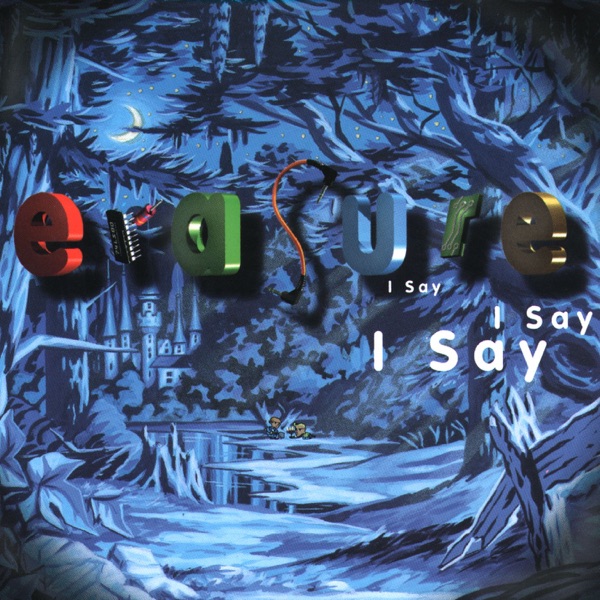
Erasure · I Say I Say I Say
A sincere wish for lasting, unashamed love, human in scope but good in spirit.
Where the words land
Signal: Edifying, leaning worth weighing.
What do these signals mean?
- Edifying: Points the heart toward God, truth, hope, or love.
- Worth Weighing: Real good and real concern together. Test it before you take it in.
- Strained: Strains against Scripture: leans toward what could dull or mislead.
- At Odds: At odds with Scripture: celebrates what it warns against. Little here builds up.
Weighed against Scripture
“There will be no shame”
“And the man and his wife were both naked, and they were not ashamed.”
The hope for a love free of shame recalls the unashamed openness of the first human relationship before sin entered the picture.
The song as a whole
“Love is patient, love is kind. It does not envy, it does not boast, it is not proud. It is not rude, it is not self-seeking, it is not easily angered, it keeps no account of wrongs. Love takes no pleasure in evil, but rejoices in the truth. It bears all things, believes all things, hopes all things, endures all things.”
The desire for an undisguised, open relationship mirrors love that bears and believes all things rather than hiding behind masks.
“Two are better than one, because they have a good return for their labor. For if one falls down, his companion can lift him up; but pity the one who falls without another to help him up! Again, if two lie down together, they will keep warm; but how can one keep warm alone? And though one may be overpowered, two can resist. Moreover, a cord of three strands is not quickly broken.”
The song's whole posture, wanting constant companionship and shared harmony, reflects the wisdom that two are better than one in facing life's cold seasons.
In short
This is a tender plea for lasting, honest intimacy with another person, set against imagery of cold, ice, and falling leaves that suggest the passage of time and seasons of difficulty. It doesn't reach toward God, but it isn't hostile to Him either; it simply stays focused on human love and companionship. The hope expressed, to be truly known and to stay together without shame, is good and human, even if its scope is narrow.
- Spiritual posture
The song reaches toward intimacy and lasting devotion between two people, but it has no vertical dimension; its horizon is human love alone.
- Apparent intent
A sincere, hopeful love song about wanting closeness and permanence without shame or disguise. It's an expression of longing for connection, not a statement about faith.
What do these ratings mean?
- Lyrical content, what the words say on the surface. Clean: nothing coarse, sexual or violent. Mild: a trace of it, by allusion or a rare word. Strong: profanity, sex or violence in plain words. Explicit: graphic, or sin held up to admire.
- Spiritual posture, where the song's heart points. God-honoring: toward God, truth or hope. Searching: honestly reaching or wrestling toward truth, without arriving. Neutral: spiritually indifferent; neither reaches nor rejects. Dark: despairing, nihilistic, self-exalting or hostile to God.
- Apparent intent, what the song is for. Edifying: worship, encouragement, honest lament. Cathartic: letting grief, anger or longing out, told honestly. Ambiguous: hard to say what the song is for. Harmful: celebrates evil, mocks faith or draws toward sin.
Does this song's vision of lasting love point you toward the deeper faithfulness it echoes, or does it feel complete on its own?
An AI-assisted reading. It can misread a lyric, a metaphor or a song’s intent.


