Amazing Grace (My Chains Are Gone)
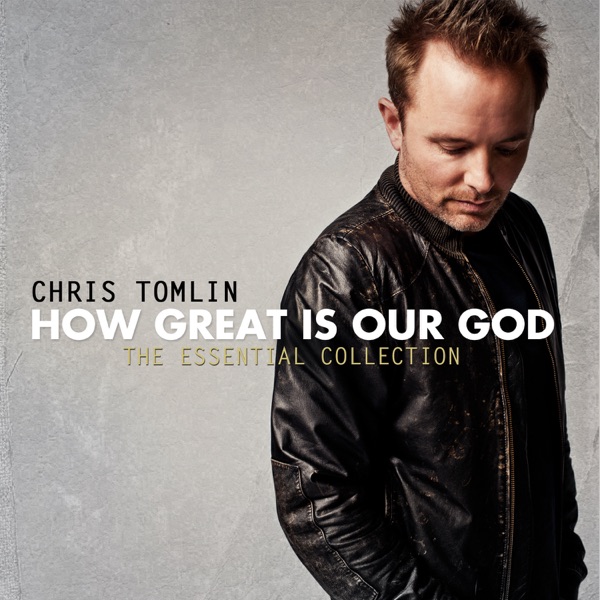
Chris Tomlin · How Great Is Our God: The Essential Collection
A timeless hymn of grace, freedom, and unshakable hope in God.
Where the words land
Signal: Edifying.
What do these signals mean?
- Edifying: Points the heart toward God, truth, hope, or love.
- Worth Weighing: Real good and real concern together. Test it before you take it in.
- Strained: Strains against Scripture: leans toward what could dull or mislead.
- At Odds: At odds with Scripture: celebrates what it warns against. Little here builds up.
Weighed against Scripture
“That saved a wretch like me”
“For it is by grace you have been saved through faith, and this not from yourselves; it is the gift of God, not by works, so that no one can boast.”
Salvation by grace rather than merit is the exact confession this line makes.
“My chains are gone, I've been set free”
“So if the Son sets you free, you will be free indeed.”
Freedom from bondage through the Son is the theological heartbeat of this chorus.
“And like a flood His mercy reigns”
“For as high as the heavens are above the earth, so great is His loving devotion for those who fear Him. As far as the east is from the west, so far has He removed our transgressions from us.”
The overwhelming, far-reaching scale of mercy described here matches the flood imagery.
The song as a whole
But it was fitting to celebrate and be glad, because this brother of yours was dead and is alive again; he was lost and is found.’”
The language of lost-and-found mirrors the father's words over the returning prodigal.
“My flesh and my heart may fail, but God is the strength of my heart and my portion forever.”
God as one's eternal portion even as flesh fails is the same hope voiced in this verse.
The grass withers and the flowers fall, but the word of our God stands forever.”
The contrast between fading creation and God's abiding word underlies the song's closing promise.
Words of Christ are set in red.
In short
This is a modern expansion of one of the church's oldest hymns, adding a chorus that makes the freedom of grace explicit and physical, chains gone, ransom paid. It moves from confession of being lost to confidence in God's unshakable promise, even as creation itself passes away. There's no ambiguity here; it's worship aimed squarely at gratitude and praise.
What do these ratings mean?
- Lyrical content, what the words say on the surface. Clean: nothing coarse, sexual or violent. Mild: a trace of it, by allusion or a rare word. Strong: profanity, sex or violence in plain words. Explicit: graphic, or sin held up to admire.
- Spiritual posture, where the song's heart points. God-honoring: toward God, truth or hope. Searching: honestly reaching or wrestling toward truth, without arriving. Neutral: spiritually indifferent; neither reaches nor rejects. Dark: despairing, nihilistic, self-exalting or hostile to God.
- Apparent intent, what the song is for. Edifying: worship, encouragement, honest lament. Cathartic: letting grief, anger or longing out, told honestly. Ambiguous: hard to say what the song is for. Harmful: celebrates evil, mocks faith or draws toward sin.
What would it look like to actually live as someone whose chains are gone?
An AI-assisted reading. It can misread a lyric, a metaphor or a song’s intent.