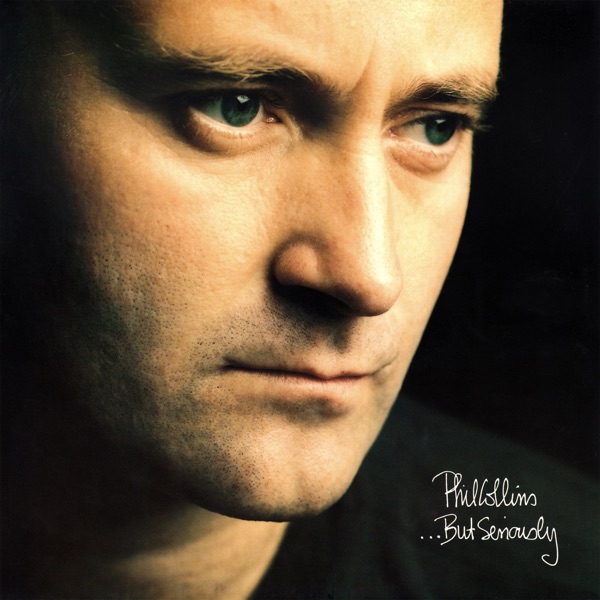
Another Day in Paradise (2016 Remastered)
Phil Collins · ...But Seriously (Remastered)
A conscience-jarring cry against walking past human suffering.
Where the words land
Signal: Edifying, leaning worth weighing.
What do these signals mean?
- Edifying: Points the heart toward God, truth, hope, or love.
- Worth Weighing: Real good and real concern together. Test it before you take it in.
- Strained: Strains against Scripture: leans toward what could dull or mislead.
- At Odds: At odds with Scripture: celebrates what it warns against. Little here builds up.
Weighed against Scripture
“Sir, can you help me”
“Open your mouth for those with no voice, for the cause of all the dispossessed. Open your mouth, judge righteously, and defend the cause of the poor and needy.”
The song gives voice to someone who cannot speak for herself, the very call this proverb issues to those with power to help.
“He walks on, doesn't look back”
“Now by chance a priest was going down the same road, but when he saw him, he passed by on the other side. So too, when a Levite came to that spot and saw him, he passed by on the other side.”
Like the priest and Levite who pass by the wounded man, this passerby avoids eye contact and responsibility rather than stopping to help.
“She's got blisters on the soles of her feet”
Suppose a brother or sister is without clothes and daily food. If one of you tells him, “Go in peace; stay warm and well fed,” but does not provide for his physical needs, what good is that?
James condemns offering only words to someone in visible physical need; the song exposes exactly that failure in the bystander.
The song as a whole
“Why, O LORD, do You stand far off? Why do You hide in times of trouble?”
The cry to God amid apparent divine silence in the face of the poor's suffering mirrors this psalm's raw question.
“For I was hungry and you gave Me something to eat, I was thirsty and you gave Me something to drink, I was a stranger and you took Me in, I was naked and you clothed Me, I was sick and you looked after Me, I was in prison and you visited Me.’ Then the righteous will answer Him, ‘Lord, when did we see You hungry and feed You, or thirsty and give You something to drink? When did we see You a stranger and take You in, or naked and clothe You? When did we see You sick or in prison and visit You?’ And the King will reply, ‘Truly I tell you, whatever you did for one of the least of these brothers of Mine, you did for Me.’”
The whole song's unresolved ache points toward Jesus' teaching that caring for 'the least of these' is caring for him.
Words of Christ are set in red.
In short
This is a song of indictment more than comfort: it watches a homeless woman be ignored and asks God, pointedly, why no one does anything. There's no tidy resolution, just the refrain 'think about it' needling the listener's conscience. It's less about personal faith and more a mirror held up to collective indifference.
- Spiritual posture
The song cries out to God directly ('Oh Lord, is there nothing more anybody can do?') without resolving the question, holding indignation and helplessness together.
What do these ratings mean?
- Lyrical content, what the words say on the surface. Clean: nothing coarse, sexual or violent. Mild: a trace of it, by allusion or a rare word. Strong: profanity, sex or violence in plain words. Explicit: graphic, or sin held up to admire.
- Spiritual posture, where the song's heart points. God-honoring: toward God, truth or hope. Searching: honestly reaching or wrestling toward truth, without arriving. Neutral: spiritually indifferent; neither reaches nor rejects. Dark: despairing, nihilistic, self-exalting or hostile to God.
- Apparent intent, what the song is for. Edifying: worship, encouragement, honest lament. Cathartic: letting grief, anger or longing out, told honestly. Ambiguous: hard to say what the song is for. Harmful: celebrates evil, mocks faith or draws toward sin.
Who have you walked past lately, and what would it cost you to stop?
An AI-assisted reading. It can misread a lyric, a metaphor or a song’s intent.


