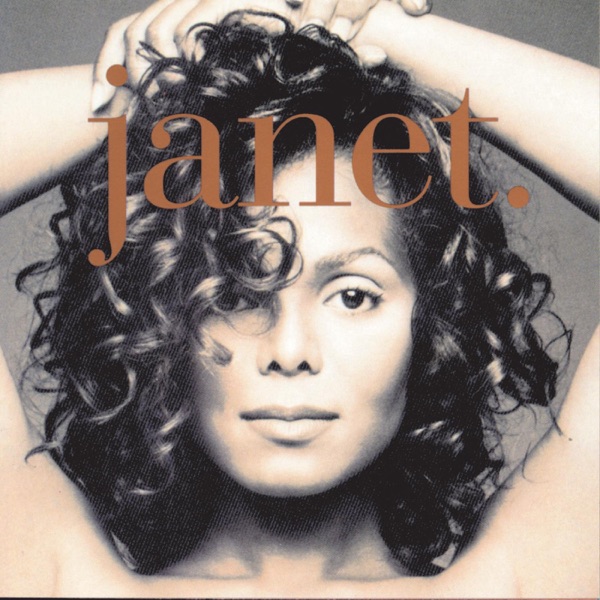
Any Time, Any Place
Janet Jackson · Janet.
An explicit ode to public desire with no deeper reach beyond the body.
Where the words land
Signal: Strained.
What do these signals mean?
- Edifying: Points the heart toward God, truth, hope, or love.
- Worth Weighing: Real good and real concern together. Test it before you take it in.
- Strained: Strains against Scripture: leans toward what could dull or mislead.
- At Odds: At odds with Scripture: celebrates what it warns against. Little here builds up.
Weighed against Scripture
“I can feel your hands moving up my thighs”
“Flee from sexual immorality. Every other sin a man can commit is outside his body, but he who sins sexually sins against his own body.”
Scripture calls believers to flee sexual immorality rather than pursue it as the centerpiece of desire, in contrast to this line's focus on bodily arousal.
“People walkin' by are watchin' us”
“For it is God’s will that you should be holy: You must abstain from sexual immorality; each of you must know how to control his own body in holiness and honor, not in lustful passion like the Gentiles who do not know God;”
Paul urges controlling one's body in holiness and honor rather than indulging passion in public disregard for others, the opposite posture of this verse.
“I don't give a damn what they think”
“So I say, walk by the Spirit, and you will not gratify the desires of the flesh. For the flesh craves what is contrary to the Spirit, and the Spirit what is contrary to the flesh. They are opposed to each other, so that you do not do what you want.”
The song embraces following bodily desire wherever it leads, while Paul describes a real tension between the flesh's cravings and a Spirit-led life.
The song as a whole
“Let him kiss me with the kisses of his mouth! For your love is more delightful than wine. The fragrance of your perfume is pleasing; your name is like perfume poured out. No wonder the maidens adore you. Take me away with you— let us hurry! May the king bring me to his chambers. We will rejoice and delight in you; we will praise your love more than wine. It is only right that they adore you.”
Scripture does celebrate desire, but within covenant intimacy and private delight, not as public spectacle indifferent to onlookers as this song portrays.
In short
This is a straightforward celebration of physical desire and public exhibitionism, with no larger reflection or meaning beneath the surface. It doesn't wrestle with love, commitment, or consequence, it simply revels in sensation and the thrill of being seen. There's no hostility toward God here, but also no reach toward anything beyond the body in the moment.
- Lyrical content
Explicit sexual descriptions of physical acts in public settings, no profanity but graphic imagery throughout.
- Spiritual posture
The song is focused entirely on physical desire and bodily sensation, with no reach toward God, meaning, or anything beyond the moment.
- Apparent intent
Clearly intended as a sensual, liberating anthem celebrating uninhibited desire rather than mocking faith or glorifying harm to others.
What do these ratings mean?
- Lyrical content, what the words say on the surface. Clean: nothing coarse, sexual or violent. Mild: a trace of it, by allusion or a rare word. Strong: profanity, sex or violence in plain words. Explicit: graphic, or sin held up to admire.
- Spiritual posture, where the song's heart points. God-honoring: toward God, truth or hope. Searching: honestly reaching or wrestling toward truth, without arriving. Neutral: spiritually indifferent; neither reaches nor rejects. Dark: despairing, nihilistic, self-exalting or hostile to God.
- Apparent intent, what the song is for. Edifying: worship, encouragement, honest lament. Cathartic: letting grief, anger or longing out, told honestly. Ambiguous: hard to say what the song is for. Harmful: celebrates evil, mocks faith or draws toward sin.
Does this song's vision of desire, detached from intimacy or restraint, line up with what you actually want desire to be in your life?
An AI-assisted reading. It can misread a lyric, a metaphor or a song’s intent.



