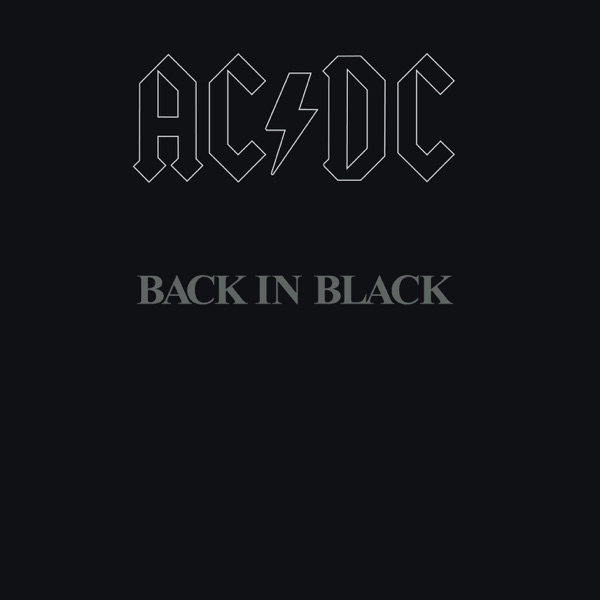
Back In Black
AC/DC · Back In Black
Defiant swagger and self-exaltation, dressed up as triumphant return.
Where the words land
Signal: Strained, leaning worth weighing.
What do these signals mean?
- Edifying: Points the heart toward God, truth, hope, or love.
- Worth Weighing: Real good and real concern together. Test it before you take it in.
- Strained: Strains against Scripture: leans toward what could dull or mislead.
- At Odds: At odds with Scripture: celebrates what it warns against. Little here builds up.
Weighed against Scripture
“Forget the hearse, 'cause I'll never die”
“You do not even know what will happen tomorrow! What is your life? You are a mist that appears for a little while and then vanishes.”
The song boasts immortality and invincibility, while James reminds us life is a mist we don't control.
“Don't try to push your luck, just get out of my way”
“Pride goes before destruction, and a haughty spirit before a fall.”
The swagger and threat toward anyone in the singer's path is the picture of pride going before a fall.
The song as a whole
“Do not boast about tomorrow, for you do not know what a day may bring.”
Boasting about tomorrow's invincibility runs against this warning not to presume on a future no one can guarantee.
In short
This is pure rock bravado: a defiant anthem of return, built on swagger, invincibility, and self-declared untouchability. There's little beneath the surface beyond celebrating the band's (and the singer's) own power and resilience. It's more a cultural artifact of rock catharsis than a message to internalize spiritually.
- Lyrical content
No explicit profanity here; braggadocio about defiance, immortality, and swagger dominate, with innuendo scattered through.
- Spiritual posture
The posture is pure self-exaltation: 'I'll never die,' nine lives, untouchable, answerable to no one. There's no reaching toward anything beyond the self.
- Apparent intent
Written as a triumphant return after Bon Scott's death, meant as a defiant celebration of resilience and rock swagger, not a spiritual statement.
What do these ratings mean?
- Lyrical content, what the words say on the surface. Clean: nothing coarse, sexual or violent. Mild: a trace of it, by allusion or a rare word. Strong: profanity, sex or violence in plain words. Explicit: graphic, or sin held up to admire.
- Spiritual posture, where the song's heart points. God-honoring: toward God, truth or hope. Searching: honestly reaching or wrestling toward truth, without arriving. Neutral: spiritually indifferent; neither reaches nor rejects. Dark: despairing, nihilistic, self-exalting or hostile to God.
- Apparent intent, what the song is for. Edifying: worship, encouragement, honest lament. Cathartic: letting grief, anger or longing out, told honestly. Ambiguous: hard to say what the song is for. Harmful: celebrates evil, mocks faith or draws toward sin.
Does the thrill of this song's defiance line up with how you actually want to see yourself and your limits?
An AI-assisted reading. It can misread a lyric, a metaphor or a song’s intent.


