Bad (feat. Tiara Thomas)
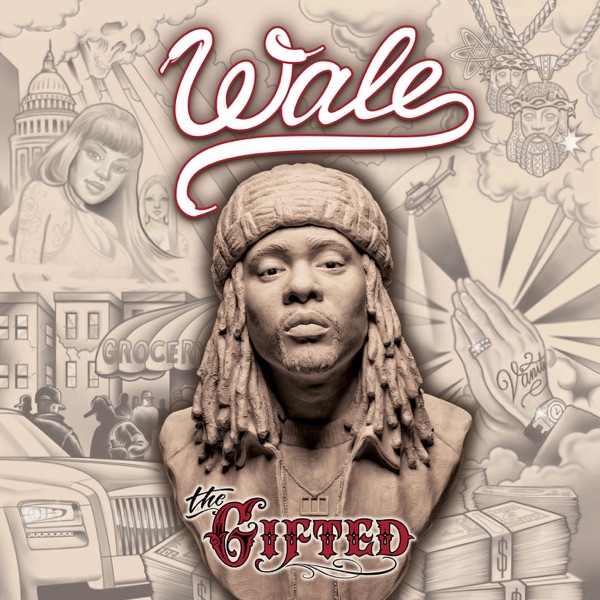
Wale · The Gifted
Casual confession of emptiness, dressed up as honesty about love.
Where the words land
Signal: Strained, leaning at odds.
What do these signals mean?
- Edifying: Points the heart toward God, truth, hope, or love.
- Worth Weighing: Real good and real concern together. Test it before you take it in.
- Strained: Strains against Scripture: leans toward what could dull or mislead.
- At Odds: At odds with Scripture: celebrates what it warns against. Little here builds up.
Weighed against Scripture
“I sure know how to f**k”
“Flee from sexual immorality. Every other sin a man can commit is outside his body, but he who sins sexually sins against his own body. Do you not know that your body is a temple of the Holy Spirit who is in you, whom you have received from God? You are not your own; you were bought at a price. Therefore glorify God with your body.”
Paul ties sexual activity to the body's deeper dignity as a temple, pushing against the song's reduction of sex to pure physical performance.
“I don't need emotions to open your deep sea”
“Set me as a seal over your heart, as a seal upon your arm. For love is as strong as death, its jealousy as unrelenting as Sheol. Its sparks are fiery flames, the fiercest blaze of all. Mighty waters cannot quench love; rivers cannot sweep it away. If a man were to give all the wealth of his house for love, his offer would be utterly scorned.”
Scripture's own song of desire ties physical love to a seal of exclusive devotion, the opposite of intimacy stripped of emotional stakes.
The song as a whole
“Marriage should be honored by all and the marriage bed kept undefiled, for God will judge the sexually immoral and adulterers.”
Scripture honors marriage and faithfulness as good and dignified, directly opposing the song's framing of commitment as outdated or optional.
“For it is God’s will that you should be holy: You must abstain from sexual immorality; each of you must know how to control his own body in holiness and honor, not in lustful passion like the Gentiles who do not know God;”
The song's overall posture of pursuing passion without control or commitment stands against this call to self-control and honor in how we treat one another.
In short
This track narrates a world where relationships are reduced to transactions: sex without intimacy, attraction without trust. Both voices admit, almost proudly, that they can't offer faithfulness, trading vulnerability for self-protection. It's a candid snapshot of disillusionment with love rather than a glorification of cruelty, but it never reaches for anything deeper than the next encounter.
- Lyrical content
Explicit sexual content and profanity throughout, with casual references to detached, physical encounters.
- Spiritual posture
The song frames commitment as unrealistic and reduces intimacy to physical conquest without emotional depth or accountability.
- Apparent intent
It plays as a candid, stylized portrait of modern hookup culture rather than a celebration of cruelty, but it offers no counterweight or reflection on the emptiness it describes.
What do these ratings mean?
- Lyrical content, what the words say on the surface. Clean: nothing coarse, sexual or violent. Mild: a trace of it, by allusion or a rare word. Strong: profanity, sex or violence in plain words. Explicit: graphic, or sin held up to admire.
- Spiritual posture, where the song's heart points. God-honoring: toward God, truth or hope. Searching: honestly reaching or wrestling toward truth, without arriving. Neutral: spiritually indifferent; neither reaches nor rejects. Dark: despairing, nihilistic, self-exalting or hostile to God.
- Apparent intent, what the song is for. Edifying: worship, encouragement, honest lament. Cathartic: letting grief, anger or longing out, told honestly. Ambiguous: hard to say what the song is for. Harmful: celebrates evil, mocks faith or draws toward sin.
Does this song's honesty about disconnection leave you more aware of what real intimacy requires, or does it make detachment sound normal?
An AI-assisted reading. It can misread a lyric, a metaphor or a song’s intent.



