Bed of Roses
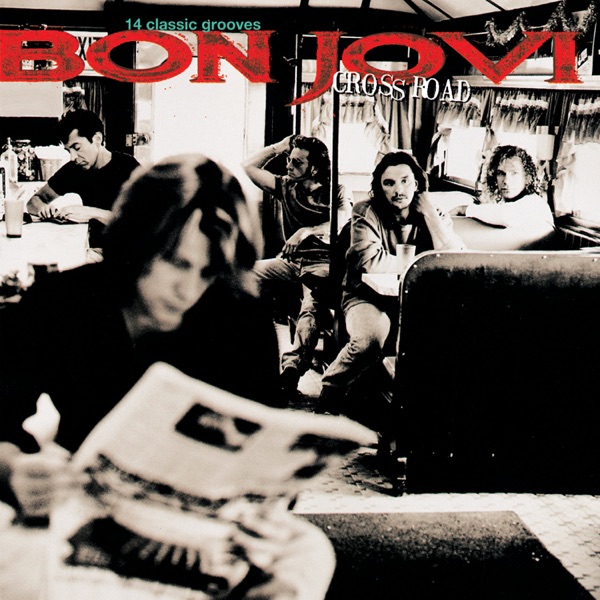
Bon Jovi · Cross Road
A weary rocker's confession that fame and vice can't replace real love and home.
Where the words land
Signal: Worth Weighing, leaning edifying.
What do these signals mean?
- Edifying: Points the heart toward God, truth, hope, or love.
- Worth Weighing: Real good and real concern together. Test it before you take it in.
- Strained: Strains against Scripture: leans toward what could dull or mislead.
- At Odds: At odds with Scripture: celebrates what it warns against. Little here builds up.
Weighed against Scripture
“Sitting here wasted and wounded”
“Save me, O God, for the waters are up to my neck. I have sunk into the miry depths, where there is no footing; I have drifted into deep waters, where the flood engulfs me. I am weary from my crying; my throat is parched. My eyes fail, looking for my God.”
The song opens in a state of exhaustion and self-inflicted wounding, much like the psalmist's cry from a place of weariness and distress.
“About all of the things that I long to believe”
“Now faith is the assurance of what we hope for and the certainty of what we do not see.”
The narrator's reaching for love and truth beyond his chaotic circumstances mirrors the human longing for something solid to hope in.
“I want to be just as close as the Holy Ghost is”
“Where can I go to escape Your Spirit? Where can I flee from Your presence? If I ascend to the heavens, You are there; if I make my bed in Sheol, You are there. If I rise on the wings of the dawn, if I settle by the farthest sea, even there Your hand will guide me; Your right hand will hold me fast.”
The lyric borrows the image of the Spirit's nearness as a metaphor for romantic closeness, a striking contrast to the Spirit's actual role as God's abiding presence with His people.
“But you know that don't mean I'm not lonely”
“Two are better than one, because they have a good return for their labor. For if one falls down, his companion can lift him up; but pity the one who falls without another to help him up! Again, if two lie down together, they will keep warm; but how can one keep warm alone?”
The admission of loneliness despite surface companionship echoes the wisdom that human beings are not meant to be alone, and that true connection is something deeper than proximity.
The song as a whole
“Some wandered in desert wastelands, finding no path to a city in which to dwell. They were hungry and thirsty; their soul fainted within them. Then they cried out to the LORD in their trouble, and He delivered them from their distress. He led them on a straight path to reach a city where they could live. Let them give thanks to the LORD for His loving devotion and His wonders to the sons of men. For He satisfies the thirsty and fills the hungry with good things.”
The whole song's picture of a wanderer longing for home and a satisfying love resonates with the psalm's portrait of restless souls finding rest in what they truly need.
In short
Beneath the road-worn imagery of whiskey, a stranger's bed, and smoky bars is a tired man confessing he's lonely and longing for one real love to come home to. It's not a celebration of the vices but an honest admission that they don't fill the ache. The borrowed 'Holy Ghost' line is more poetic reach than theology, but the song's heart is genuinely toward faithfulness and home, not away from it.
- Lyrical content
References to drinking, a one-night stand implied, and road-weary vices, but nothing explicit or crude in language.
- Spiritual posture
A wounded, wandering narrator longs for real love and home even while caught in self-destructive habits; the ache is genuine, not nihilistic.
- Apparent intent
Classic rock-ballad confession: the touring musician's loneliness and longing for a faithful love back home, told with raw honesty rather than celebration of the vices described.
What do these ratings mean?
- Lyrical content, what the words say on the surface. Clean: nothing coarse, sexual or violent. Mild: a trace of it, by allusion or a rare word. Strong: profanity, sex or violence in plain words. Explicit: graphic, or sin held up to admire.
- Spiritual posture, where the song's heart points. God-honoring: toward God, truth or hope. Searching: honestly reaching or wrestling toward truth, without arriving. Neutral: spiritually indifferent; neither reaches nor rejects. Dark: despairing, nihilistic, self-exalting or hostile to God.
- Apparent intent, what the song is for. Edifying: worship, encouragement, honest lament. Cathartic: letting grief, anger or longing out, told honestly. Ambiguous: hard to say what the song is for. Harmful: celebrates evil, mocks faith or draws toward sin.
Does this song's honest ache for faithful love resonate with your own longing for something real and lasting?
An AI-assisted reading. It can misread a lyric, a metaphor or a song’s intent.


