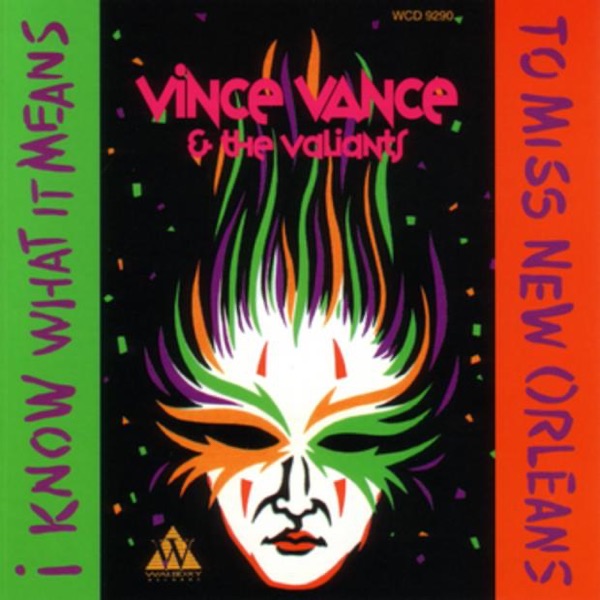
Bomb Iran (1980)
Vince Vance & The Valiants · I Know What It Means to Miss New Orleans
A joke song that cheers for mass violence against a whole nation.
Where the words land
Signal: At Odds.
What do these signals mean?
- Edifying: Points the heart toward God, truth, hope, or love.
- Worth Weighing: Real good and real concern together. Test it before you take it in.
- Strained: Strains against Scripture: leans toward what could dull or mislead.
- At Odds: At odds with Scripture: celebrates what it warns against. Little here builds up.
Weighed against Scripture
“Time to turn Iran into a parking lot”
“Do not gloat when your enemy falls, and do not let your heart rejoice when he stumbles,”
The song cheers for the destruction of enemies; Scripture warns against even private delight when an enemy falls, let alone public celebration of mass death.
“Now it's time for "keelin", bomb Iran”
“You have heard that it was said, ‘Love your neighbor’ and ‘Hate your enemy.’ But I tell you, love your enemies and pray for those who persecute you,”
Jesus commands love and prayer for enemies; this line does the opposite, calling for their killing as a punchline.
The song as a whole
Do not avenge yourselves, beloved, but leave room for God’s wrath. For it is written: “Vengeance is Mine; I will repay, says the Lord.”
Real grievances (the hostage crisis) are met here with calls for vengeance rather than leaving justice to God or lawful processes.
“Then He will judge between many peoples and arbitrate for strong nations far and wide. Then they will beat their swords into plowshares and their spears into pruning hooks. Nation will no longer take up the sword against nation, nor will they train anymore for war.”
The song's whole posture glorifies war as entertainment, the inverse of the prophetic vision of nations turning weapons into tools of peace.
Words of Christ are set in red.
In short
This is a novelty protest song from the 1980 Iran hostage crisis, turning a real international crisis into a chant for bombing and killing. It's played for laughs and shock value, but the content is genuinely about reveling in violence against a nation's people, dressed up as patriotic humor. There's no critique, no complexity, no call for justice through right means, just a cheer for destruction.
- Lyrical content
No profanity or explicit content, but it's built entirely around chanting for bombing and killing a nation's people, played as a joke.
- Spiritual posture
Mocking, vengeful, and nationalistic, the song revels in the idea of mass violence against a people, treating it as a punchline rather than a tragedy.
- Apparent intent
Written as political satire during the Iran hostage crisis, but the satire lands as gleeful bloodlust rather than critique, and it never undercuts the violence it celebrates.
What do these ratings mean?
- Lyrical content, what the words say on the surface. Clean: nothing coarse, sexual or violent. Mild: a trace of it, by allusion or a rare word. Strong: profanity, sex or violence in plain words. Explicit: graphic, or sin held up to admire.
- Spiritual posture, where the song's heart points. God-honoring: toward God, truth or hope. Searching: honestly reaching or wrestling toward truth, without arriving. Neutral: spiritually indifferent; neither reaches nor rejects. Dark: despairing, nihilistic, self-exalting or hostile to God.
- Apparent intent, what the song is for. Edifying: worship, encouragement, honest lament. Cathartic: letting grief, anger or longing out, told honestly. Ambiguous: hard to say what the song is for. Harmful: celebrates evil, mocks faith or draws toward sin.
Does laughing along with this song shape your heart toward the enemy-love Jesus actually asks of you?
An AI-assisted reading. It can misread a lyric, a metaphor or a song’s intent.


