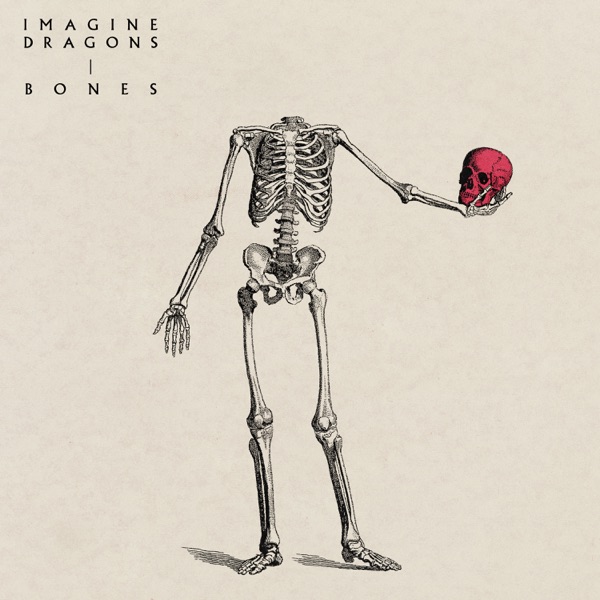
Bones
Imagine Dragons · Bones - Single
Defiant self-affirmation that searches inward rather than upward.
Where the words land
Signal: Worth Weighing, leaning edifying.
What do these signals mean?
- Edifying: Points the heart toward God, truth, hope, or love.
- Worth Weighing: Real good and real concern together. Test it before you take it in.
- Strained: Strains against Scripture: leans toward what could dull or mislead.
- At Odds: At odds with Scripture: celebrates what it warns against. Little here builds up.
Weighed against Scripture
“Wait until the reaper takes my life”
“So teach us to number our days, that we may present a heart of wisdom.”
The narrator's awareness of mortality echoes the psalmist's plea to number our days, though here it fuels defiance rather than wisdom sought from God.
“Go ahead and throw your stones”
When they continued to question Him, He straightened up and said to them, “Let him who is without sin among you be the first to cast a stone at her.”
The image of being judged and stoned recalls Jesus' rebuke of self-righteous condemnation, framing the song's resistance to others' judgment.
“Seeing all the vultures circling”
“When the wicked came upon me to devour my flesh, my enemies and foes stumbled and fell. Though an army encamps around me, my heart will not fear; though a war breaks out against me, I will keep my trust.”
The sense of being surrounded by threats mirrors the psalmist's experience of enemies closing in, though here without an explicit turn toward God for refuge.
“Picking the pieces up and building to the sky”
“to console the mourners in Zion — to give them a crown of beauty for ashes, the oil of joy for mourning, and a garment of praise for a spirit of despair. So they will be called oaks of righteousness, the planting of the LORD, that He may be glorified.”
Isaiah's rebuilding comes from God's comfort and anointing, while here the rebuilding is framed as purely self-generated strength.
The song as a whole
“Futility of futilities,” says the Teacher, “futility of futilities! Everything is futile!”
The song's undercurrent of searching amid chaos and self-definition echoes the restless questioning found throughout Ecclesiastes, without resolution.
Words of Christ are set in red.
In short
This is a song about standing firm under scrutiny and self-doubt, using fire, mirrors, and bones as images of inner resilience. It doesn't reach toward God, but it also doesn't collapse into despair; it's a defiant, self-reliant kind of searching. The 'magic in my bones' refrain functions as self-affirmation against critics and inner chaos.
- Spiritual posture
The narrator wrestles with self-scrutiny, mortality, and judgment from others, landing on self-assertion ('magic in my bones') rather than a clear outside hope, but the searching is honest rather than nihilistic.
- Apparent intent
Reads as an anthem of resilience against criticism and self-doubt, built for catharsis and self-affirmation rather than to glorify despair or sin.
What do these ratings mean?
- Lyrical content, what the words say on the surface. Clean: nothing coarse, sexual or violent. Mild: a trace of it, by allusion or a rare word. Strong: profanity, sex or violence in plain words. Explicit: graphic, or sin held up to admire.
- Spiritual posture, where the song's heart points. God-honoring: toward God, truth or hope. Searching: honestly reaching or wrestling toward truth, without arriving. Neutral: spiritually indifferent; neither reaches nor rejects. Dark: despairing, nihilistic, self-exalting or hostile to God.
- Apparent intent, what the song is for. Edifying: worship, encouragement, honest lament. Cathartic: letting grief, anger or longing out, told honestly. Ambiguous: hard to say what the song is for. Harmful: celebrates evil, mocks faith or draws toward sin.
Where do you turn when facing judgment or self-doubt: your own resilience, or something beyond yourself?
An AI-assisted reading. It can misread a lyric, a metaphor or a song’s intent.


