Bullet
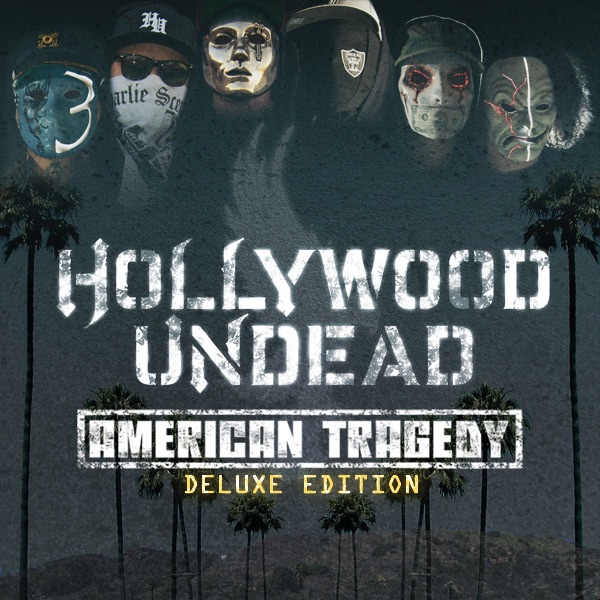
Hollywood Undead · American Tragedy (Deluxe Edition)
An unrelieved, graphic descent into suicidal despair with no way out offered.
Where the words land
Signal: At Odds.
What do these signals mean?
- Edifying: Points the heart toward God, truth, hope, or love.
- Worth Weighing: Real good and real concern together. Test it before you take it in.
- Strained: Strains against Scripture: leans toward what could dull or mislead.
- At Odds: At odds with Scripture: celebrates what it warns against. Little here builds up.
Weighed against Scripture
“I think I'll slit my wrist again, and I'm gone”
“The LORD is near to the brokenhearted; He saves the contrite in spirit.”
The song finds no nearness of God in its brokenness, while this verse insists God draws closest to the crushed in spirit.
“The bottom of the bottle is my only friend”
“Look to my right and see; no one attends to me. There is no refuge for me; no one cares for my soul.”
The psalmist's cry that 'no one cares for my soul' mirrors this isolation, though the psalm turns to God as refuge where the song does not.
“When you can't dream, well, what's life mean?”
“so that I would prefer strangling and death over my life in this body. I loathe my life! I would not live forever. Leave me alone, for my days are but a breath.”
Job's own despair voiced a longing for death, showing Scripture doesn't shy from this depth of pain, though Job's story continues toward restoration.
“Now mama feels guilt, yeah, mama feels pain”
The king was shaken and went up to the chamber over the gate and wept. And as he walked, he cried out, “O my son Absalom! My son, my son Absalom! If only I had died instead of you, O Absalom, my son, my son!”
David's grief over Absalom's death captures the same devastating aftermath a family carries when a life ends this way.
The song as a whole
“So I hated life, because the work that is done under the sun was grievous to me. For everything is futile and a pursuit of the wind.”
Both voice a hatred of life itself, naming the weariness of existence without yet finding meaning beyond it.
In short
This song sits almost entirely inside a suicidal mind, narrating methods and motives in vivid detail with little distance or resolution. It gestures at the grief left behind for a mother, but never finds a foothold of hope or help for the narrator themselves. It reads less like glorification and more like an unflinching, bleak snapshot of despair.
- Lyrical content
Graphic, repeated depictions of suicide methods (wrist-cutting, pills, jumping, a gun) with no softening language.
- Spiritual posture
The narrator is consumed by despair and resignation, framing death as release; brief talk of 'meeting God' is dressed in finality, not hope.
- Apparent intent
Written as a window into suicidal ideation and its ripple effects on family, likely meant to voice real pain rather than glamorize it, but it offers no turn toward help or hope.
What do these ratings mean?
- Lyrical content, what the words say on the surface. Clean: nothing coarse, sexual or violent. Mild: a trace of it, by allusion or a rare word. Strong: profanity, sex or violence in plain words. Explicit: graphic, or sin held up to admire.
- Spiritual posture, where the song's heart points. God-honoring: toward God, truth or hope. Searching: honestly reaching or wrestling toward truth, without arriving. Neutral: spiritually indifferent; neither reaches nor rejects. Dark: despairing, nihilistic, self-exalting or hostile to God.
- Apparent intent, what the song is for. Edifying: worship, encouragement, honest lament. Cathartic: letting grief, anger or longing out, told honestly. Ambiguous: hard to say what the song is for. Harmful: celebrates evil, mocks faith or draws toward sin.
If you're drawn to this song, ask what it's stirring in you right now, and who you could talk to about it.
An AI-assisted reading. It can misread a lyric, a metaphor or a song’s intent.