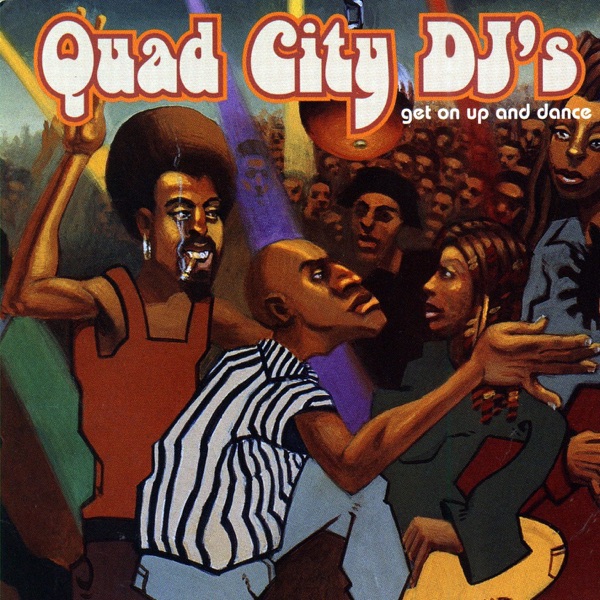
C'mon N' Ride It (The Train)
Quad City DJ's · Get On Up and Dance
Harmless party chant with a wink of innuendo, nothing deeper at stake.
Where the words land
Signal: Worth Weighing, leaning edifying.
What do these signals mean?
- Edifying: Points the heart toward God, truth, hope, or love.
- Worth Weighing: Real good and real concern together. Test it before you take it in.
- Strained: Strains against Scripture: leans toward what could dull or mislead.
- At Odds: At odds with Scripture: celebrates what it warns against. Little here builds up.
Weighed against Scripture
“I wanna take you home with me, to be alone with me”
“Flee from sexual immorality. Every other sin a man can commit is outside his body, but he who sins sexually sins against his own body. Do you not know that your body is a temple of the Holy Spirit who is in you, whom you have received from God? You are not your own; you were bought at a price. Therefore glorify God with your body.”
The casual pursuit here runs against Paul's call to honor the body and flee sexual immorality rather than treat it as a game.
The song as a whole
“a time to weep and a time to laugh, a time to mourn and a time to dance,”
The simple joy of dancing and music has its own season and place; this song sits in that lighter, celebratory space rather than anything weightier.
In short
This is a 90s dance-floor novelty track built almost entirely around a train sound effect and a chant to get people moving. Underneath the 'choo-choo' hook there's some flirtatious, mildly suggestive content about taking someone home, but it's played for fun rather than any darker intent. There's no real spiritual content here either way; it's just a party song.
- Lyrical content
Mostly dance-floor nonsense and train sound effects, but laced with double-entendre about 'riding the train' and lines about taking girls home to 'be alone with me.'
- Spiritual posture
There's no real spiritual reach here, up or down. It's a party anthem built for the club, not for reflection.
- Apparent intent
Designed purely to get a crowd moving and having fun; the sexual innuendo is playful rather than degrading, but it's clearly part of the intent.
What do these ratings mean?
- Lyrical content, what the words say on the surface. Clean: nothing coarse, sexual or violent. Mild: a trace of it, by allusion or a rare word. Strong: profanity, sex or violence in plain words. Explicit: graphic, or sin held up to admire.
- Spiritual posture, where the song's heart points. God-honoring: toward God, truth or hope. Searching: honestly reaching or wrestling toward truth, without arriving. Neutral: spiritually indifferent; neither reaches nor rejects. Dark: despairing, nihilistic, self-exalting or hostile to God.
- Apparent intent, what the song is for. Edifying: worship, encouragement, honest lament. Cathartic: letting grief, anger or longing out, told honestly. Ambiguous: hard to say what the song is for. Harmful: celebrates evil, mocks faith or draws toward sin.
Does this song's flirtatious energy fit how you want to spend your attention, even in a lighthearted moment?
An AI-assisted reading. It can misread a lyric, a metaphor or a song’s intent.


