Can't Let Go
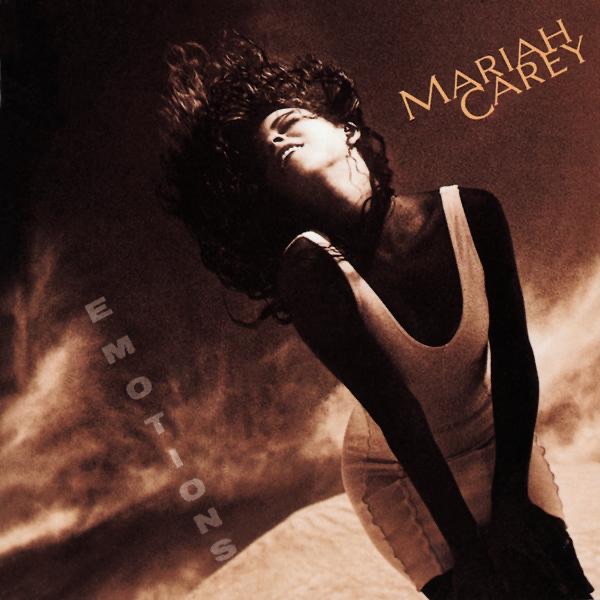
Mariah Carey · Emotions
Honest heartbreak that never looks past the person it lost.
Where the words land
Signal: Worth Weighing, leaning strained.
What do these signals mean?
- Edifying: Points the heart toward God, truth, hope, or love.
- Worth Weighing: Real good and real concern together. Test it before you take it in.
- Strained: Strains against Scripture: leans toward what could dull or mislead.
- At Odds: At odds with Scripture: celebrates what it warns against. Little here builds up.
Weighed against Scripture
“I can't accept, my world is gone”
“Remember my affliction and wandering, the wormwood and the gall. Surely my soul remembers and is humbled within me.”
Grief that keeps circling back to what was lost is an ancient and honest human experience, not a sign of weak faith.
The song as a whole
My tears have been my food both day and night, while men ask me all day long, “Where is your God?”
The psalmist's tears and anguished questioning mirror this kind of raw, unresolved sorrow over loss.
“Anything my eyes desired, I did not deny myself. I refused my heart no pleasure. For my heart took delight in all my work, and this was the reward for all my labor. Yet when I considered all the works that my hands had accomplished and what I had toiled to achieve, I found everything to be futile, a pursuit of the wind; there was nothing to be gained under the sun.”
The song pins all meaning and identity on one person; Ecclesiastes names the emptiness of anchoring the soul fully in anything other than God.
“Rest in God alone, O my soul, for my hope comes from Him. He alone is my rock and my salvation; He is my fortress; I will not be shaken. My salvation and my honor rest on God, my strong rock; my refuge is in God. Trust in Him at all times, O people; pour out your hearts before Him. God is our refuge. Selah”
Where the song finds no rest apart from the one who left, the psalm points toward a soul that can find rest and refuge in God alone.
In short
This is a straightforward breakup song about someone who can't move past a love that's already over. It doesn't glamorize anything destructive, it's simply raw, obsessive grief given a voice. The absence of any larger hope or perspective beyond the relationship itself is what keeps it from being more than emotionally honest.
- Spiritual posture
The song stays fixed on human loss and longing, with no reach toward God or hope beyond the relationship, but it isn't hostile or nihilistic either.
- Apparent intent
This reads as an honest expression of heartbreak and obsessive grief, meant to give voice to a universal ache rather than glamorize anything harmful.
What do these ratings mean?
- Lyrical content, what the words say on the surface. Clean: nothing coarse, sexual or violent. Mild: a trace of it, by allusion or a rare word. Strong: profanity, sex or violence in plain words. Explicit: graphic, or sin held up to admire.
- Spiritual posture, where the song's heart points. God-honoring: toward God, truth or hope. Searching: honestly reaching or wrestling toward truth, without arriving. Neutral: spiritually indifferent; neither reaches nor rejects. Dark: despairing, nihilistic, self-exalting or hostile to God.
- Apparent intent, what the song is for. Edifying: worship, encouragement, honest lament. Cathartic: letting grief, anger or longing out, told honestly. Ambiguous: hard to say what the song is for. Harmful: celebrates evil, mocks faith or draws toward sin.
Does this song give words to grief you're carrying, or does it keep you circling a loss without ever pointing you toward comfort beyond it?
An AI-assisted reading. It can misread a lyric, a metaphor or a song’s intent.