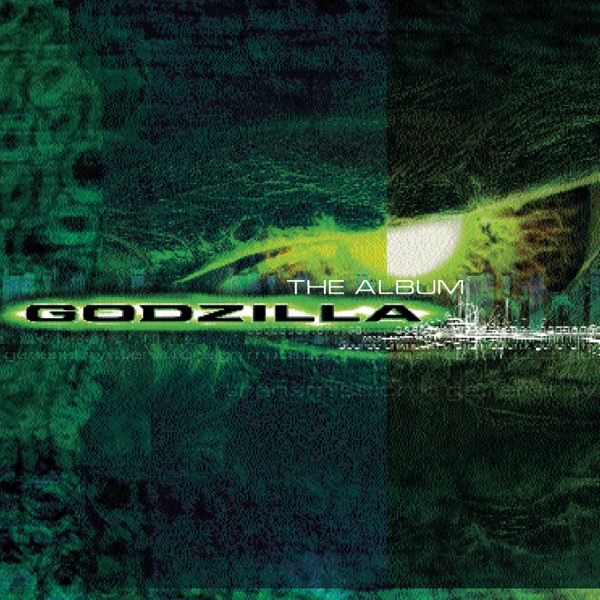
Come With Me (feat. Various Artists)
Puff Daddy & Jimmy Page · Godzilla: The Album (Original Motion Picture Soundtrack)
A betrayal turned into a vow of vengeance, not healing.
Where the words land
Signal: Strained, leaning at odds.
What do these signals mean?
- Edifying: Points the heart toward God, truth, hope, or love.
- Worth Weighing: Real good and real concern together. Test it before you take it in.
- Strained: Strains against Scripture: leans toward what could dull or mislead.
- At Odds: At odds with Scripture: celebrates what it warns against. Little here builds up.
Weighed against Scripture
“Listen to my prayer, O God, and do not ignore my plea. Attend to me and answer me. I am restless in my complaint, and distraught”
Like the psalmist, the narrator cries out to be heard in distress, though here the cry quickly turns toward vengeance rather than toward God.
“Even my close friend whom I trusted, the one who shared my bread, has lifted up his heel against me.”
The ache of betrayal by someone trusted mirrors this lament, though the song stays in the wound rather than bringing it to God.
“But I tell you, love your enemies and pray for those who persecute you,”
Jesus calls for love of enemies and prayer for persecutors; this song moves in the opposite direction, cursing and threatening them.
“See to it that no one falls short of the grace of God, and that no root of bitterness springs up to cause trouble and defile many.”
The refusal to release bitterness here is exactly the 'root of bitterness' warned against, left to grow rather than be uprooted.
Do not avenge yourselves, beloved, but leave room for God’s wrath. For it is written: “Vengeance is Mine; I will repay, says the Lord.”
The song's overall posture is personal vengeance ('I'm here to stay... I wanna fight you'), the opposite of leaving room for God's justice.
Words of Christ are set in red.
In short
This is raw, unfiltered betrayal-anger set to a thundering rock-rap beat, built around real heartbreak and rage rather than reflection. The cries to be heard early on give way to threats, curses, and a vow to never let go, with no turn toward healing or release. It's catharsis through aggression, not a journey toward peace.
- Lyrical content
Profanity, threats of violence, and raw anger toward an ex and 'enemies' run throughout, with little restraint in language.
- Spiritual posture
The posture is betrayal and vengeance; there's a cry for someone to 'hear' him, but it curdles into obsession and threat rather than reaching upward.
- Apparent intent
Built as a Godzilla theme and breakup/betrayal anthem, channeling real fury and hurt into aggressive bravado rather than offering insight or resolution.
What do these ratings mean?
- Lyrical content, what the words say on the surface. Clean: nothing coarse, sexual or violent. Mild: a trace of it, by allusion or a rare word. Strong: profanity, sex or violence in plain words. Explicit: graphic, or sin held up to admire.
- Spiritual posture, where the song's heart points. God-honoring: toward God, truth or hope. Searching: honestly reaching or wrestling toward truth, without arriving. Neutral: spiritually indifferent; neither reaches nor rejects. Dark: despairing, nihilistic, self-exalting or hostile to God.
- Apparent intent, what the song is for. Edifying: worship, encouragement, honest lament. Cathartic: letting grief, anger or longing out, told honestly. Ambiguous: hard to say what the song is for. Harmful: celebrates evil, mocks faith or draws toward sin.
Does replaying this anger help you release it, or does it keep you circling the wound?
An AI-assisted reading. It can misread a lyric, a metaphor or a song’s intent.