Damaged
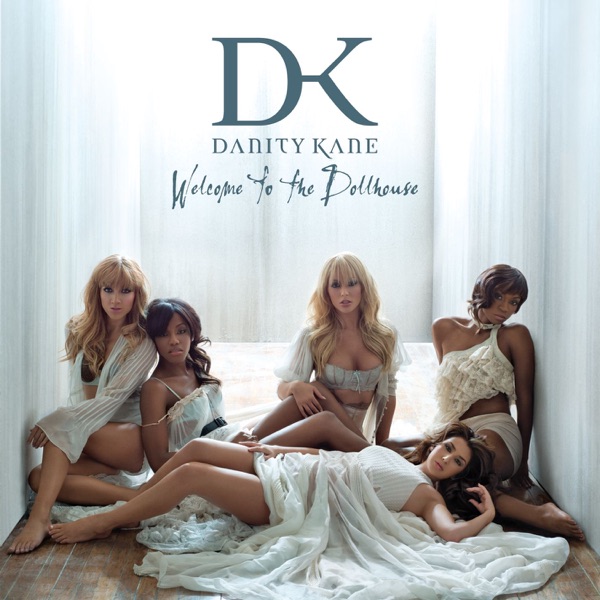
Danity Kane · Welcome to the Dollhouse
Honest about heartbreak, but looks to a lover to do a Healer's work.
Where the words land
Signal: Worth Weighing, leaning edifying.
What do these signals mean?
- Edifying: Points the heart toward God, truth, hope, or love.
- Worth Weighing: Real good and real concern together. Test it before you take it in.
- Strained: Strains against Scripture: leans toward what could dull or mislead.
- At Odds: At odds with Scripture: celebrates what it warns against. Little here builds up.
Weighed against Scripture
“Do you got a first aid kit handy?”
“He heals the brokenhearted and binds up their wounds.”
The longing for someone to bind up a wounded heart mirrors the real human need God promises to meet.
“My heart is missing some pieces”
“The LORD is near to the brokenhearted; He saves the contrite in spirit.”
Brokenheartedness is taken seriously in Scripture; the ache described here isn't dismissed but named as real.
“So how you gonna fix it, fix it, fix it?”
“Heal me, O LORD, and I will be healed; save me, and I will be saved, for You are my praise.”
Jeremiah asks God to heal; the song instead places the burden of healing entirely on a new human partner, which no person can fully bear.
“This too shall pass, then you came”
“Because of the loving devotion of the LORD we are not consumed, for His mercies never fail. They are new every morning; great is Your faithfulness!”
The hope that pain is temporary and something good can follow echoes the steady renewal Scripture roots in God's mercy, though here it's tied to a new relationship instead.
In short
This is an honest account of carrying old wounds into a new relationship and hoping someone will have the patience to help heal them. It's emotionally real and ends with a note of hope rather than despair. The gap is that the healing it reaches for is placed entirely on another person, not on God, which is a heavy, ultimately impossible weight to hand someone else.
- Spiritual posture
The singer names real pain honestly and even voices hope ('this too shall pass', 'gonna be alright one day'), though she looks to a new partner rather than God to do the healing.
- Apparent intent
A pop/R&B song processing the aftermath of a past relationship's damage and asking a new partner to help rebuild trust.
What do these ratings mean?
- Lyrical content, what the words say on the surface. Clean: nothing coarse, sexual or violent. Mild: a trace of it, by allusion or a rare word. Strong: profanity, sex or violence in plain words. Explicit: graphic, or sin held up to admire.
- Spiritual posture, where the song's heart points. God-honoring: toward God, truth or hope. Searching: honestly reaching or wrestling toward truth, without arriving. Neutral: spiritually indifferent; neither reaches nor rejects. Dark: despairing, nihilistic, self-exalting or hostile to God.
- Apparent intent, what the song is for. Edifying: worship, encouragement, honest lament. Cathartic: letting grief, anger or longing out, told honestly. Ambiguous: hard to say what the song is for. Harmful: celebrates evil, mocks faith or draws toward sin.
Who or what are you actually asking to heal the parts of your heart that still feel broken?
An AI-assisted reading. It can misread a lyric, a metaphor or a song’s intent.


