Dead!
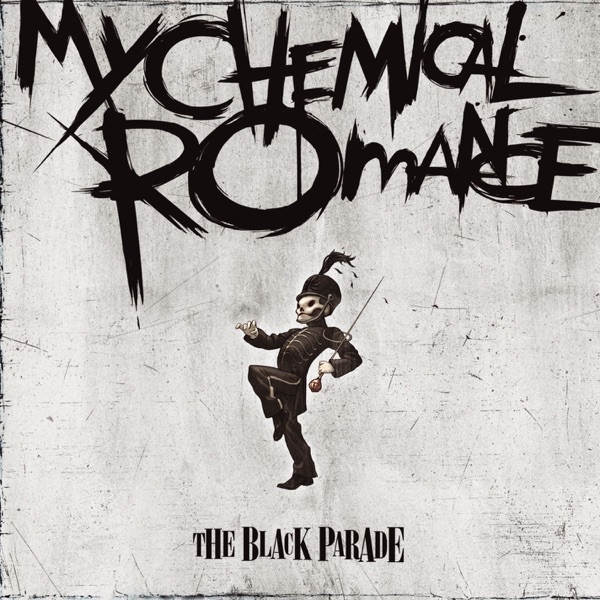
My Chemical Romance · The Black Parade
Darkly comic meditation on death that never reaches for hope.
Where the words land
Signal: Strained, leaning at odds.
What do these signals mean?
- Edifying: Points the heart toward God, truth, hope, or love.
- Worth Weighing: Real good and real concern together. Test it before you take it in.
- Strained: Strains against Scripture: leans toward what could dull or mislead.
- At Odds: At odds with Scripture: celebrates what it warns against. Little here builds up.
Weighed against Scripture
The song as a whole
“Futility of futilities,” says the Teacher, “futility of futilities! Everything is futile!”
The refrain's nihilistic punchline mirrors the Preacher's cry of vanity, though Ecclesiastes eventually turns toward fearing God while this song does not.
“Did you get what you deserve?”
God “will repay each one according to his deeds.”
The song taunts the dead with a question of just deserts, but Scripture places true judgment in God's hands alone, not in mockery from the living.
“You never fell in love”
“For the living know that they will die, but the dead know nothing. They have no further reward, because the memory of them is forgotten. Their love, their hate, and their envy have already vanished, and they will never again have a share in all that is done under the sun.”
Both voice the same bleak observation: once dead, love and hatred and every striving under the sun are finished, unremembered.
“Wouldn't it be grand to take a pistol by the hand?”
“For His anger is fleeting, but His favor lasts a lifetime. Weeping may stay the night, but joy comes in the morning.”
Where the song flirts with death as a punchline or escape, the Psalmist insists joy and morning still come, holding out hope the song never reaches for.
This is theatrical, gallows-humor punk about death, judgment, and regret, part of a larger concept album rather than a straightforward confession. It never lands anywhere hopeful; the question 'did you get what you deserve' is thrown at the dead with mockery, not grace, and the chorus treats dying almost like a joke. The dark comedy is the point, but it leaves the listener in the joke without anywhere to go.
Death-obsessed, darkly comic lyrics with one profanity, hospital and funeral imagery, and macabre humor about dying unloved.
Mortality is mocked rather than mourned; there's no reaching toward God, only bitter satire about whether anyone deserved their fate or found love before the end.
Part of a concept album satirizing a life poorly lived; theatrical and darkly comic rather than a literal endorsement of death, but it doesn't offer redemption within the song itself.
Does the song's theatrical irony actually help you process mortality, or does it just rehearse despair in a catchy package?
An AI-assisted reading. It can misread a lyric, a metaphor or a song’s intent.


