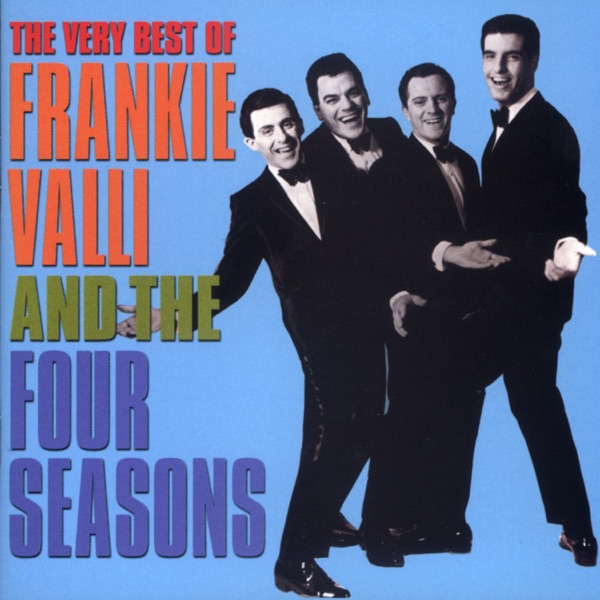
December, 1963 (Oh, What a Night)
The Four Seasons · The Very Best of Frankie Valli and the Four Seasons
A joyful, nostalgic ode to a fleeting night, more wistful than wise.
Where the words land
Signal: Worth Weighing, leaning edifying.
What do these signals mean?
- Edifying: Points the heart toward God, truth, hope, or love.
- Worth Weighing: Real good and real concern together. Test it before you take it in.
- Strained: Strains against Scripture: leans toward what could dull or mislead.
- At Odds: At odds with Scripture: celebrates what it warns against. Little here builds up.
Weighed against Scripture
“You know I didn't even know her name”
“Flee from sexual immorality. Every other sin a man can commit is outside his body, but he who sins sexually sins against his own body.”
The song treats an anonymous encounter as purely celebratory, where Scripture calls for physical intimacy to be bound to covenant love rather than a stranger's name forgotten by morning.
“Sweet surrender, what a night”
“My beloved is mine and I am his; he pastures his flock among the lilies.”
The language of romantic surrender and delight echoes the poetry of desire found in Scripture's own celebration of love, even if this song lacks the covenant context.
The song as a whole
“To everything there is a season, and a time for every purpose under heaven:”
The whole song is an ode to a fleeting, specific moment in time, the kind of bittersweet nostalgia Ecclesiastes names as part of being human under the sun.
In short
This is a joyful, nostalgic pop song about an unforgettable night and a brief romantic spark, remembered fondly decades later. It doesn't moralize or condemn; it simply revels in the rush of infatuation. There's an implied physical encounter with a stranger, but the tone is celebratory rather than crude or degrading.
- Lyrical content
Nostalgic recollection of a romantic (and implicitly sexual) encounter, told with euphemism rather than explicit description.
- Spiritual posture
The song doesn't reach toward or away from God; it's a wistful celebration of a memorable night and a fleeting connection.
- Apparent intent
A joyful, nostalgic pop recollection meant to celebrate a cherished memory, not to glorify sin or wound anyone.
What do these ratings mean?
- Lyrical content, what the words say on the surface. Clean: nothing coarse, sexual or violent. Mild: a trace of it, by allusion or a rare word. Strong: profanity, sex or violence in plain words. Explicit: graphic, or sin held up to admire.
- Spiritual posture, where the song's heart points. God-honoring: toward God, truth or hope. Searching: honestly reaching or wrestling toward truth, without arriving. Neutral: spiritually indifferent; neither reaches nor rejects. Dark: despairing, nihilistic, self-exalting or hostile to God.
- Apparent intent, what the song is for. Edifying: worship, encouragement, honest lament. Cathartic: letting grief, anger or longing out, told honestly. Ambiguous: hard to say what the song is for. Harmful: celebrates evil, mocks faith or draws toward sin.
Does this song's celebration of a nameless, fleeting encounter sit easily with what you believe love and intimacy are for?
An AI-assisted reading. It can misread a lyric, a metaphor or a song’s intent.


