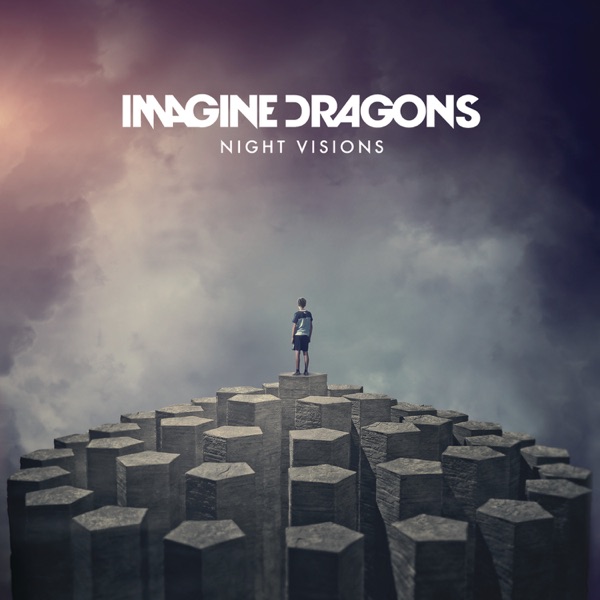
Demons
Imagine Dragons · Night Visions
An honest confession of inner darkness reaching for rescue it can't name.
Where the words land
Signal: Worth Weighing, leaning edifying.
What do these signals mean?
- Edifying: Points the heart toward God, truth, hope, or love.
- Worth Weighing: Real good and real concern together. Test it before you take it in.
- Strained: Strains against Scripture: leans toward what could dull or mislead.
- At Odds: At odds with Scripture: celebrates what it warns against. Little here builds up.
Weighed against Scripture
“And the saints we see are all made of gold”
“for all have sinned and fall short of the glory of God,”
Acknowledges that even those admired as righteous fall short, echoing the song's disillusionment with false purity.
“It's where my demons hide”
“For I do not do the good I want to do. Instead, I keep on doing the evil I do not want to do.”
Paul's lament over doing the evil he doesn't want to do parallels the singer's struggle against an inner 'beast.'
The song as a whole
“The heart is deceitful above all things and beyond cure. Who can understand it?”
The confession of inherent corruption mirrors the prophet's warning about the deceitfulness of the human heart.
“Create in me a clean heart, O God, and renew a right spirit within me.”
The plea for rescue from one's own nature echoes David's prayer for a clean heart, though here the source of help is left undefined.
In short
This song is a raw confession of inner darkness and the fear of hurting someone you love because of it. It doesn't celebrate sin so much as mourn being trapped by it, reaching for protection and escape without naming where that rescue might come from. The ache is real and honest, even if unresolved.
- Spiritual posture
The singer confesses inner corruption and wants to protect a loved one from it, caught between self-awareness and helplessness.
- Apparent intent
Written as an honest admission of personal brokenness and fear of hurting someone loved; not glorifying darkness but naming it.
What do these ratings mean?
- Lyrical content, what the words say on the surface. Clean: nothing coarse, sexual or violent. Mild: a trace of it, by allusion or a rare word. Strong: profanity, sex or violence in plain words. Explicit: graphic, or sin held up to admire.
- Spiritual posture, where the song's heart points. God-honoring: toward God, truth or hope. Searching: honestly reaching or wrestling toward truth, without arriving. Neutral: spiritually indifferent; neither reaches nor rejects. Dark: despairing, nihilistic, self-exalting or hostile to God.
- Apparent intent, what the song is for. Edifying: worship, encouragement, honest lament. Cathartic: letting grief, anger or longing out, told honestly. Ambiguous: hard to say what the song is for. Harmful: celebrates evil, mocks faith or draws toward sin.
Does this song's honesty about inner struggle point you toward seeking real deliverance, or leave you resting in the struggle itself?
An AI-assisted reading. It can misread a lyric, a metaphor or a song’s intent.


