Desperado
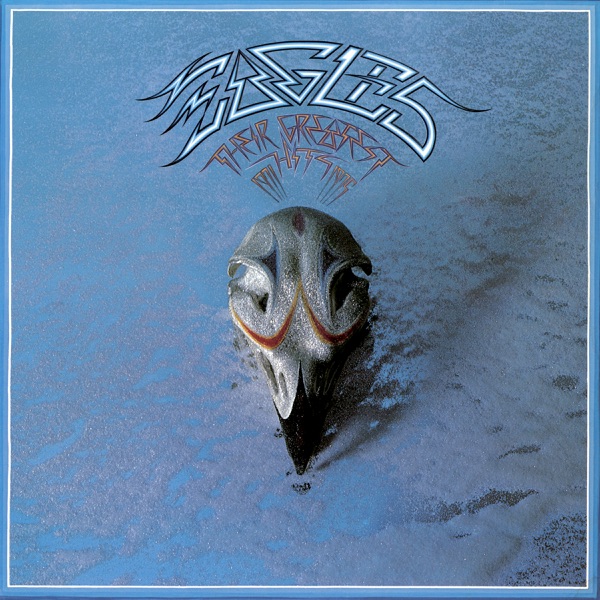
Eagles · Their Greatest Hits 1971-1975
A loving plea for a lonely, guarded heart to let love in
Where the words land
Signal: Edifying.
What do these signals mean?
- Edifying: Points the heart toward God, truth, hope, or love.
- Worth Weighing: Real good and real concern together. Test it before you take it in.
- Strained: Strains against Scripture: leans toward what could dull or mislead.
- At Odds: At odds with Scripture: celebrates what it warns against. Little here builds up.
Weighed against Scripture
“You've been out ridin' fences for so long now”
“He who isolates himself pursues selfish desires; he rebels against all sound judgment.”
The image of a man isolating himself behind fences mirrors this proverb's warning that one who separates himself pursues selfish desire and defies sound judgment.
“Your prison is walkin' through this world all alone”
The LORD God also said, “It is not good for the man to be alone. I will make for him a suitable helper.”
The song names aloneness itself as the trap, echoing the created truth that it is not good for a person to be alone.
“It's hard to tell the nighttime from the day”
“You have removed my beloved and my friend; darkness is my closest companion.”
The numbing loss of highs and lows recalls this psalm's bleak description of darkness becoming one's only companion.
The song as a whole
“There is no fear in love, but perfect love drives out fear, because fear involves punishment. The one who fears has not been perfected in love.”
The plea to let love in before it's too late reflects the truth that love, not fear or self-protection, is what frees a person.
“Two are better than one, because they have a good return for their labor. For if one falls down, his companion can lift him up; but pity the one who falls without another to help him up!”
The whole song's argument, that companionship rescues a person from a lonely fall, mirrors this wisdom about two being better than one.
In short
This is a tender confrontation, not a condemnation: the singer sees a proud, self-protective man slowly numbing himself through isolation and begs him to open up before the chance passes. It never resolves whether he does, but the whole song reaches toward connection and love as the way out of his private prison. The compassion here feels almost pastoral, naming pride and fear without ever mocking them.
- Spiritual posture
The song pleads with a self-isolating soul to stop defending himself and accept love, reaching toward connection without naming God directly.
What do these ratings mean?
- Lyrical content, what the words say on the surface. Clean: nothing coarse, sexual or violent. Mild: a trace of it, by allusion or a rare word. Strong: profanity, sex or violence in plain words. Explicit: graphic, or sin held up to admire.
- Spiritual posture, where the song's heart points. God-honoring: toward God, truth or hope. Searching: honestly reaching or wrestling toward truth, without arriving. Neutral: spiritually indifferent; neither reaches nor rejects. Dark: despairing, nihilistic, self-exalting or hostile to God.
- Apparent intent, what the song is for. Edifying: worship, encouragement, honest lament. Cathartic: letting grief, anger or longing out, told honestly. Ambiguous: hard to say what the song is for. Harmful: celebrates evil, mocks faith or draws toward sin.
Is there a fence in your own life that love is asking you to come down from?
An AI-assisted reading. It can misread a lyric, a metaphor or a song’s intent.