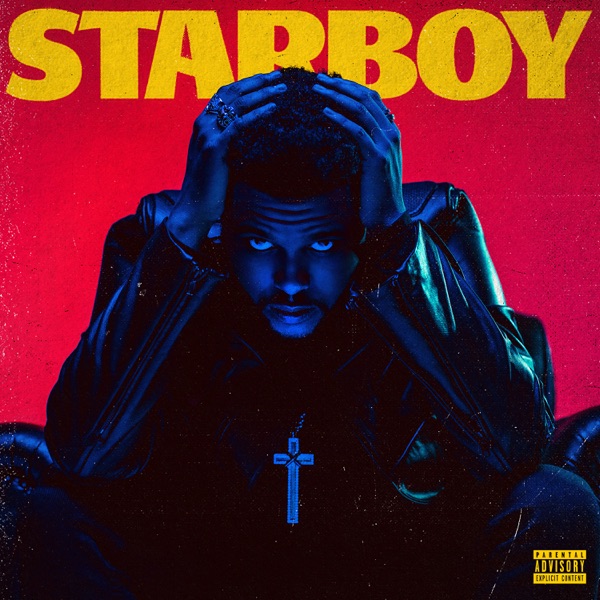
Die For You
The Weeknd · Starboy
Grand declarations of love laced with manipulation and control.
Where the words land
Signal: Strained, leaning worth weighing.
What do these signals mean?
- Edifying: Points the heart toward God, truth, hope, or love.
- Worth Weighing: Real good and real concern together. Test it before you take it in.
- Strained: Strains against Scripture: leans toward what could dull or mislead.
- At Odds: At odds with Scripture: celebrates what it warns against. Little here builds up.
Weighed against Scripture
“I'm finding ways to manipulate the feelin' you're going through”
“Love is patient, love is kind. It does not envy, it does not boast, it is not proud. It is not rude, it is not self-seeking, it is not easily angered, it keeps no account of wrongs.”
Real love doesn't manipulate or keep score; this line exposes a control dynamic dressed up as devotion.
“I would die for you, I would lie for you”
“Greater love has no one than this, that he lay down his life for his friends.”
Jesus ties self-sacrifice to truth and selfless love; pairing 'die for you' with 'lie for you' hollows out the sacrificial language into something self-serving.
“I try to find a reason to pull us apart”
“Guard your heart with all diligence, for from it flow springs of life.”
The narrator's push-pull reveals a guarded heart rather than the open, trusting love the song claims to offer.
The song as a whole
“There is no fear in love, but perfect love drives out fear, because fear involves punishment. The one who fears has not been perfected in love.”
The song's love is laced with fear, control, and threat ('I would kill for you') rather than the security real love is meant to bring.
Words of Christ are set in red.
In short
This is a love song that sounds grand but is built on obsession and control rather than genuine care. The narrator admits to manipulating his partner's emotions even while declaring extreme devotion, and the violent edge in 'I would kill for you' reveals possessiveness more than sacrifice. It's catchy and emotionally intense, but worth noticing what kind of love it's actually describing.
- Lyrical content
No profanity or explicit content, but the language of devotion gets tangled with manipulation and possessiveness.
- Spiritual posture
The song stays entirely within romantic obsession; it never reaches upward or outward beyond the relationship itself.
- Apparent intent
Presents intense devotion as romantic ideal, but the admission of manipulating the partner's feelings undercuts the love being professed.
What do these ratings mean?
- Lyrical content, what the words say on the surface. Clean: nothing coarse, sexual or violent. Mild: a trace of it, by allusion or a rare word. Strong: profanity, sex or violence in plain words. Explicit: graphic, or sin held up to admire.
- Spiritual posture, where the song's heart points. God-honoring: toward God, truth or hope. Searching: honestly reaching or wrestling toward truth, without arriving. Neutral: spiritually indifferent; neither reaches nor rejects. Dark: despairing, nihilistic, self-exalting or hostile to God.
- Apparent intent, what the song is for. Edifying: worship, encouragement, honest lament. Cathartic: letting grief, anger or longing out, told honestly. Ambiguous: hard to say what the song is for. Harmful: celebrates evil, mocks faith or draws toward sin.
Does this song's picture of 'dying for someone' look like sacrificial love, or like possession dressed up as devotion?
An AI-assisted reading. It can misread a lyric, a metaphor or a song’s intent.


