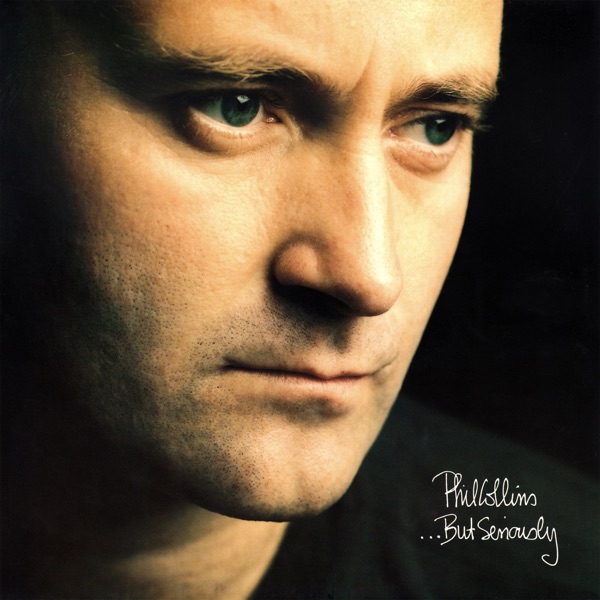
Do You Remember? (2016 Remastered)
Phil Collins · ...But Seriously (Remastered)
A tender, aching postmortem on love lost to neglect and silence.
Where the words land
Signal: Worth Weighing, leaning edifying.
What do these signals mean?
- Edifying: Points the heart toward God, truth, hope, or love.
- Worth Weighing: Real good and real concern together. Test it before you take it in.
- Strained: Strains against Scripture: leans toward what could dull or mislead.
- At Odds: At odds with Scripture: celebrates what it warns against. Little here builds up.
Weighed against Scripture
“I called you up to say I'm sorry”
“Therefore confess your sins to each other and pray for each other so that you may be healed. The prayer of a righteous man has great power to prevail.”
The impulse to confess and seek reconciliation, even late, mirrors the call to be honest with one another about failure.
The song as a whole
“To everything there is a season, and a time for every purpose under heaven:”
The song mourns a love crowded out by lesser priorities, the inverse of living with awareness of time's proper seasons.
“Do not boast about tomorrow, for you do not know what a day may bring.”
The regret of delayed love captures the folly of presuming on tomorrow instead of speaking truth today.
“So teach us to number our days, that we may present a heart of wisdom.”
The whole song is a lament over squandered time in a relationship, the kind of hindsight this psalm's prayer for wisdom addresses.
In short
This is a song about the slow death of a relationship, told after the fact, full of 'should haves' and unanswered questions. There's no bitterness or blame-throwing here, just the quiet ache of realizing too late what mattered. It doesn't resolve or offer hope of reconciliation, it simply sits in the sorrow of hindsight.
- Spiritual posture
The song aches over a relationship that ran out of time, wrestling honestly with blame and missed chances rather than offering resolution.
- Apparent intent
Collins is processing grief and self-blame over a broken relationship, letting the listener sit in that unresolved sorrow.
What do these ratings mean?
- Lyrical content, what the words say on the surface. Clean: nothing coarse, sexual or violent. Mild: a trace of it, by allusion or a rare word. Strong: profanity, sex or violence in plain words. Explicit: graphic, or sin held up to admire.
- Spiritual posture, where the song's heart points. God-honoring: toward God, truth or hope. Searching: honestly reaching or wrestling toward truth, without arriving. Neutral: spiritually indifferent; neither reaches nor rejects. Dark: despairing, nihilistic, self-exalting or hostile to God.
- Apparent intent, what the song is for. Edifying: worship, encouragement, honest lament. Cathartic: letting grief, anger or longing out, told honestly. Ambiguous: hard to say what the song is for. Harmful: celebrates evil, mocks faith or draws toward sin.
Is there anything in your own relationships this song's hindsight might be nudging you to say or repair now, rather than later?
An AI-assisted reading. It can misread a lyric, a metaphor or a song’s intent.