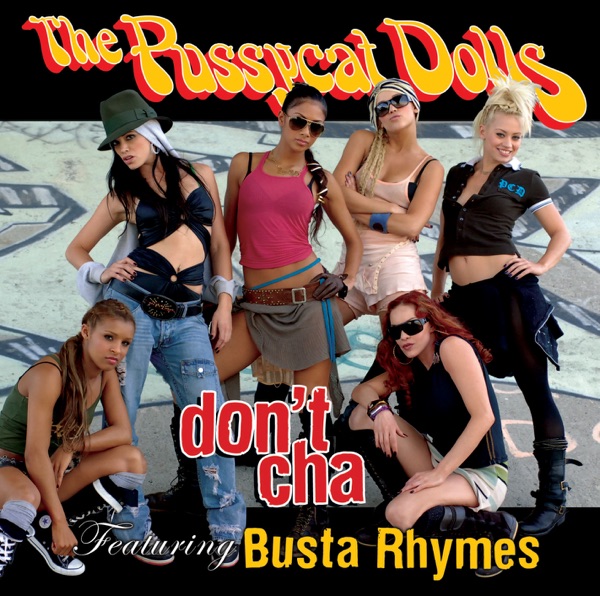
Don't Cha (featuring Busta Rhymes) [Radio Edit]
The Pussycat Dolls & Busta Rhymes · Don't Cha - Single
A catchy anthem that glamorizes tempting someone else's partner.
Where the words land
Signal: At Odds, leaning strained.
What do these signals mean?
- Edifying: Points the heart toward God, truth, hope, or love.
- Worth Weighing: Real good and real concern together. Test it before you take it in.
- Strained: Strains against Scripture: leans toward what could dull or mislead.
- At Odds: At odds with Scripture: celebrates what it warns against. Little here builds up.
Weighed against Scripture
“I know you like me (I know you like me)”
“He who commits adultery lacks judgment; whoever does so destroys himself.”
The narrator delights in drawing a committed man's attention away from his partner, the opposite of the wisdom literature's warnings against pursuing another's spouse.
“Fight the feeling (fight the feeling) / Leave it alone”
“Flee from sexual immorality. Every other sin a man can commit is outside his body, but he who sins sexually sins against his own body.”
Even as the lyric briefly names the temptation to flee it, the song quickly undercuts that instinct and keeps pressing the flirtation forward.
“See, I know she loves you (I know she loves you)”
“Love is patient, love is kind. It does not envy, it does not boast, it is not proud. It is not rude, it is not self-seeking, it is not easily angered, it keeps no account of wrongs. Love takes no pleasure in evil, but rejoices in the truth.”
Love 'does not envy' or 'seek its own,' yet the narrator knowingly disregards the other woman's claim on her partner for her own satisfaction.
The song as a whole
“Wrath is cruel and anger is like a flood, but who can withstand jealousy?”
The song's underlying posture of jealousy dressed up as confidence runs counter to this warning about the corrosive power of envy between people.
In short
This is a confident, hook-driven party song built entirely around tempting someone else's partner and reveling in being more desirable than his girlfriend. It's playful on the surface, but underneath is casual glamorization of pursuing another person's relationship and treating flirtation as conquest. There's no reflection, regret, or turn toward something better, just swagger.
- Lyrical content
Open profanity, sexual boasting, and a narrator actively courting a man who already has a girlfriend, framed as flirtatious fun.
- Spiritual posture
The song centers on self-exaltation ('I know you like me') and temptation toward infidelity, treating another woman's relationship as a game to win.
- Apparent intent
Built as a flirty party anthem and vocal showcase more than a serious meditation on betrayal, but the premise still glamorizes being the 'other woman.'
What do these ratings mean?
- Lyrical content, what the words say on the surface. Clean: nothing coarse, sexual or violent. Mild: a trace of it, by allusion or a rare word. Strong: profanity, sex or violence in plain words. Explicit: graphic, or sin held up to admire.
- Spiritual posture, where the song's heart points. God-honoring: toward God, truth or hope. Searching: honestly reaching or wrestling toward truth, without arriving. Neutral: spiritually indifferent; neither reaches nor rejects. Dark: despairing, nihilistic, self-exalting or hostile to God.
- Apparent intent, what the song is for. Edifying: worship, encouragement, honest lament. Cathartic: letting grief, anger or longing out, told honestly. Ambiguous: hard to say what the song is for. Harmful: celebrates evil, mocks faith or draws toward sin.
Does this song's fun surface make it easier to overlook what it's actually celebrating?
An AI-assisted reading. It can misread a lyric, a metaphor or a song’s intent.