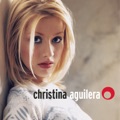
Don't Think I'm Not
Kandi · Hey Kandi...
Turns cheating into a game of getting even, not getting honest.
Where the words land
Signal: Strained.
What do these signals mean?
- Edifying: Points the heart toward God, truth, hope, or love.
- Worth Weighing: Real good and real concern together. Test it before you take it in.
- Strained: Strains against Scripture: leans toward what could dull or mislead.
- At Odds: At odds with Scripture: celebrates what it warns against. Little here builds up.
Weighed against Scripture
“I already know you'll lie”
“Lying lips are detestable to the LORD, but those who deal faithfully are His delight.”
The song opens already assuming deceit as normal between partners, the opposite of the truthful, trustworthy relationship Scripture holds up.
“Two wrongs won't make it right, but it's suiting me just fine”
“You have heard that it was said, ‘Eye for eye and tooth for tooth.’ But I tell you not to resist an evil person. If someone slaps you on your right cheek, turn to him the other also;”
The lyric openly names the moral problem and waves it off, directly opposing Jesus's call to a different response to wrong than retaliation.
The song as a whole
Do not repay anyone evil for evil. Carefully consider what is right in the eyes of everybody. If it is possible on your part, live at peace with everyone. Do not avenge yourselves, beloved, but leave room for God’s wrath. For it is written: “Vengeance is Mine; I will repay, says the Lord.”
Responding to betrayal with matching betrayal is presented as satisfying, but this passage calls for leaving vengeance to God rather than repaying evil for evil.
“Love is patient, love is kind. It does not envy, it does not boast, it is not proud. It is not rude, it is not self-seeking, it is not easily angered, it keeps no account of wrongs. Love takes no pleasure in evil, but rejoices in the truth. It bears all things, believes all things, hopes all things, endures all things.”
The song's picture of love as a tit-for-tat game stands far from a love that does not keep score of wrongs.
Words of Christ are set in red.
In short
This song turns infidelity into a kind of game, where the hurt of being cheated on is answered by cheating right back and calling it even. It's catchy and confident on the surface, but underneath it normalizes deception and revenge as the baseline of a relationship rather than naming them as wounds worth healing. There's no reach toward honesty or repair here, just a shrug and a wink at mutual betrayal.
- Lyrical content
No explicit profanity, but frank references to infidelity, cheating, and sexual retaliation run through the whole song.
- Spiritual posture
The song settles into cycles of mutual betrayal and revenge rather than reaching toward honesty, repair, or anything beyond getting even.
- Apparent intent
It reads as an anthem of empowerment through retaliation: 'you hurt me, so I'll hurt you back and feel fine about it.'
What do these ratings mean?
- Lyrical content, what the words say on the surface. Clean: nothing coarse, sexual or violent. Mild: a trace of it, by allusion or a rare word. Strong: profanity, sex or violence in plain words. Explicit: graphic, or sin held up to admire.
- Spiritual posture, where the song's heart points. God-honoring: toward God, truth or hope. Searching: honestly reaching or wrestling toward truth, without arriving. Neutral: spiritually indifferent; neither reaches nor rejects. Dark: despairing, nihilistic, self-exalting or hostile to God.
- Apparent intent, what the song is for. Edifying: worship, encouragement, honest lament. Cathartic: letting grief, anger or longing out, told honestly. Ambiguous: hard to say what the song is for. Harmful: celebrates evil, mocks faith or draws toward sin.
Does this song's 'fair's fair' logic match how you actually want to handle being hurt by someone you love?
An AI-assisted reading. It can misread a lyric, a metaphor or a song’s intent.