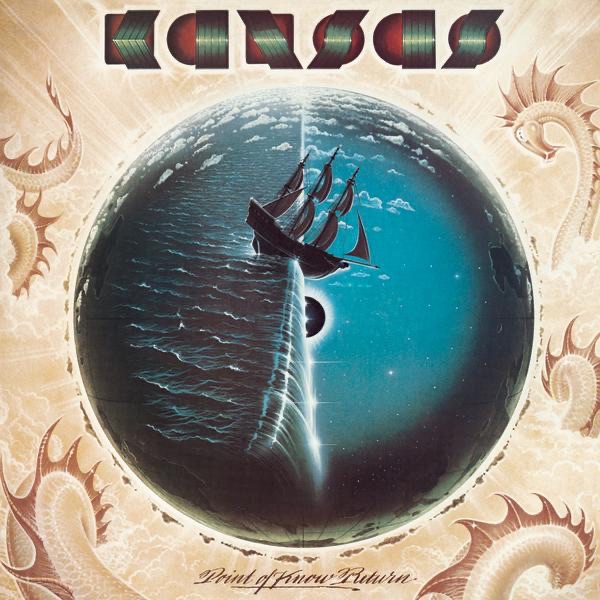
Dust In the Wind
Kansas · Point of Know Return (Expanded Edition)
A clear-eyed look at mortality that never reaches for hope beyond it.
Where the words land
Signal: Worth Weighing, leaning edifying.
What do these signals mean?
- Edifying: Points the heart toward God, truth, hope, or love.
- Worth Weighing: Real good and real concern together. Test it before you take it in.
- Strained: Strains against Scripture: leans toward what could dull or mislead.
- At Odds: At odds with Scripture: celebrates what it warns against. Little here builds up.
Weighed against Scripture
“All my dreams pass before my eyes a curiosity”
“Futility of futilities,” says the Teacher, “futility of futilities! Everything is futile!”
The song's refrain of vanishing dreams mirrors the Preacher's cry that all is fleeting, a vapor passing quickly.
“Just a drop of water in an endless sea”
“You do not even know what will happen tomorrow! What is your life? You are a mist that appears for a little while and then vanishes.”
James likens life to a mist that appears briefly, the same smallness this line captures about a single drop in the sea.
“It slips away and all your money won't another minute buy”
But God said to him, ‘You fool! This very night your life will be required of you. Then who will own what you have accumulated?’ This is how it will be for anyone who stores up treasure for himself but is not rich toward God.”
Jesus' parable of the rich fool warns that wealth cannot purchase one more moment of life, exactly the song's point.
The song as a whole
“So teach us to number our days, that we may present a heart of wisdom.”
Moses turns the same realization about fleeting days into a prayer for wisdom and purpose, something the song never reaches for.
Words of Christ are set in red.
In short
This is a sober meditation on mortality, stripped of sentimentality: dreams fade, wealth can't buy time, and everything returns to dust. It's honest about life's brevity in a way Scripture itself affirms, but it offers no answer to that brevity, no hope beyond the dust. The song sits in the ache without reaching toward anything that outlasts it.
- Spiritual posture
Honestly confronts the fleetingness of life and wealth, but stops short of pointing toward any hope beyond the grave.
- Apparent intent
Written as a meditation on mortality and impermanence, meant to sober rather than glamorize or despair.
What do these ratings mean?
- Lyrical content, what the words say on the surface. Clean: nothing coarse, sexual or violent. Mild: a trace of it, by allusion or a rare word. Strong: profanity, sex or violence in plain words. Explicit: graphic, or sin held up to admire.
- Spiritual posture, where the song's heart points. God-honoring: toward God, truth or hope. Searching: honestly reaching or wrestling toward truth, without arriving. Neutral: spiritually indifferent; neither reaches nor rejects. Dark: despairing, nihilistic, self-exalting or hostile to God.
- Apparent intent, what the song is for. Edifying: worship, encouragement, honest lament. Cathartic: letting grief, anger or longing out, told honestly. Ambiguous: hard to say what the song is for. Harmful: celebrates evil, mocks faith or draws toward sin.
Does naming how fleeting life is draw you toward reflection on what truly lasts, or leave you stuck in the fading itself?
An AI-assisted reading. It can misread a lyric, a metaphor or a song’s intent.


