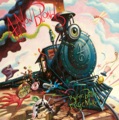
Everyday Is a Winding Road
Sheryl Crow · Sheryl Crow
A hazy wander through disorientation, inching toward feeling okay.
Where the words land
Signal: Worth Weighing, leaning edifying.
What do these signals mean?
- Edifying: Points the heart toward God, truth, hope, or love.
- Worth Weighing: Real good and real concern together. Test it before you take it in.
- Strained: Strains against Scripture: leans toward what could dull or mislead.
- At Odds: At odds with Scripture: celebrates what it warns against. Little here builds up.
Weighed against Scripture
“Why I'm a stranger in my own life”
“I do not understand what I do. For what I want to do, I do not do. But what I hate, I do.”
Paul names the same bewildering sense of acting against one's own understanding of self, a very human disorientation the song captures without theological framing.
“I've been swimming in a sea of anarchy”
“In those days there was no king in Israel; everyone did what was right in his own eyes.”
The image of life without order or direction mirrors this verse's picture of a world where everyone does what seems right in their own eyes.
“I get a little bit closer to feeling fine”
“Why are you downcast, O my soul? Why the unease within me? Put your hope in God, for I will yet praise Him for the salvation of His presence.”
The repeated, incremental hope toward 'feeling fine' resembles the psalmist's self-exhortation to hope even amid unresolved inner turmoil.
The song as a whole
“Futility of futilities,” says the Teacher, “futility of futilities! Everything is futile!” What does a man gain from all his labor, at which he toils under the sun?
The song's hazy sense that nothing quite adds up ('were ever real, were ever really happening') echoes the Preacher's weary survey of life's vapor-like confusion.
In short
This song paints a hazy, wandering portrait of modern disorientation: coffee, nicotine, intellectualism, and strangers passing through a life that doesn't quite make sense. It's less a celebration of chaos than an honest, half-amused shrug at feeling lost, with small steps toward okay-ness rather than despair. There's real searching here, even if it never names what it's searching for.
- Lyrical content
Quirky, impressionistic imagery (vending machine repair man, coffee and nicotine) with no profanity or explicit content, but references to getting high and living a scattered, unmoored life.
- Spiritual posture
The narrator feels like 'a stranger in my own life' and questions whether anything she's seen was real, while still reaching, however slowly, toward 'feeling fine.'
- Apparent intent
Crow seems to be capturing the disorientation of modern life and relationships, naming alienation honestly without glamorizing it or offering false resolution.
What do these ratings mean?
- Lyrical content, what the words say on the surface. Clean: nothing coarse, sexual or violent. Mild: a trace of it, by allusion or a rare word. Strong: profanity, sex or violence in plain words. Explicit: graphic, or sin held up to admire.
- Spiritual posture, where the song's heart points. God-honoring: toward God, truth or hope. Searching: honestly reaching or wrestling toward truth, without arriving. Neutral: spiritually indifferent; neither reaches nor rejects. Dark: despairing, nihilistic, self-exalting or hostile to God.
- Apparent intent, what the song is for. Edifying: worship, encouragement, honest lament. Cathartic: letting grief, anger or longing out, told honestly. Ambiguous: hard to say what the song is for. Harmful: celebrates evil, mocks faith or draws toward sin.
Does this song's restless searching leave you more aware of your own need for something steadier to anchor to?
An AI-assisted reading. It can misread a lyric, a metaphor or a song’s intent.