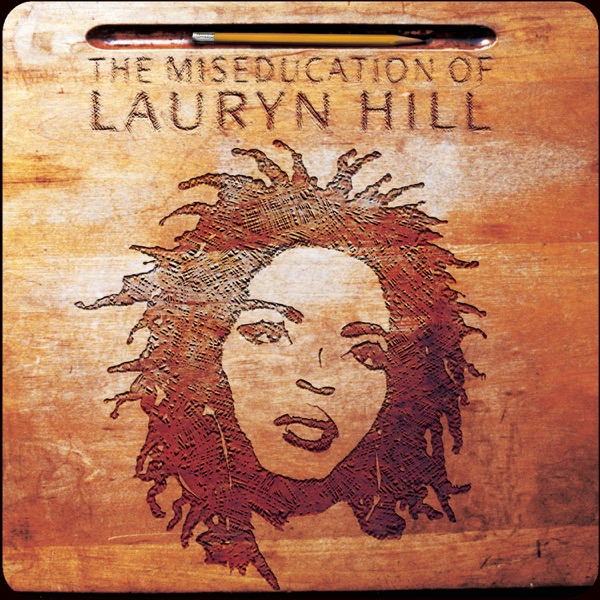
Ex-Factor
Lauryn Hill · The Miseducation of Lauryn Hill
Honest lament over a love that keeps hurting both people.
Where the words land
Signal: Worth Weighing, leaning edifying.
What do these signals mean?
- Edifying: Points the heart toward God, truth, hope, or love.
- Worth Weighing: Real good and real concern together. Test it before you take it in.
- Strained: Strains against Scripture: leans toward what could dull or mislead.
- At Odds: At odds with Scripture: celebrates what it warns against. Little here builds up.
Weighed against Scripture
“Loving you is like a battle”
“Love is patient, love is kind. It does not envy, it does not boast, it is not proud. It is not rude, it is not self-seeking, it is not easily angered, it keeps no account of wrongs. Love takes no pleasure in evil, but rejoices in the truth. It bears all things, believes all things, hopes all things, endures all things.”
The relationship described trades blows instead of bearing with one another; the song's exhausted love contrasts with love that is patient and does not keep score.
“You let go, And I'll let go too”
“a time to cast away stones and a time to gather stones together, a time to embrace and a time to refrain from embracing, a time to search and a time to count as lost, a time to keep and a time to discard,”
There's a wisdom in recognizing a season to release something broken, which is what the narrator reaches for here even while struggling to follow through.
The song as a whole
“Do not make friends with an angry man, and do not associate with a hot-tempered man, or you may learn his ways and entangle yourself in a snare.”
The manipulation through self-harm threats described here is the kind of entangling relational snare this proverb warns against.
“How long, O LORD? Will You forget me forever? How long will You hide Your face from me? How long must I wrestle in my soul, with sorrow in my heart each day? How long will my enemy dominate me?”
This is the same cry of feeling abandoned by someone who promised presence, the raw questioning that the Psalms model as honest prayer, even if here it's aimed at a person rather than God.
In short
This is a clear-eyed account of being stuck in a relationship that keeps wounding both people, where love has become a battlefield of broken promises and threats. Hill isn't celebrating the dysfunction; she's naming it, caught between wanting out and being pulled back in. There's real self-awareness here, even without resolution.
- Spiritual posture
The song doesn't reach toward God, but it honestly names heartbreak, confusion, and the ache for faithful love without dressing it up.
- Apparent intent
Hill is processing real pain from a toxic relationship pattern, naming the cycle of hurt and return rather than glamorizing it.
What do these ratings mean?
- Lyrical content, what the words say on the surface. Clean: nothing coarse, sexual or violent. Mild: a trace of it, by allusion or a rare word. Strong: profanity, sex or violence in plain words. Explicit: graphic, or sin held up to admire.
- Spiritual posture, where the song's heart points. God-honoring: toward God, truth or hope. Searching: honestly reaching or wrestling toward truth, without arriving. Neutral: spiritually indifferent; neither reaches nor rejects. Dark: despairing, nihilistic, self-exalting or hostile to God.
- Apparent intent, what the song is for. Edifying: worship, encouragement, honest lament. Cathartic: letting grief, anger or longing out, told honestly. Ambiguous: hard to say what the song is for. Harmful: celebrates evil, mocks faith or draws toward sin.
Does this song help you name an unhealthy pattern honestly, or does it make staying in one feel more romantic than it is?
An AI-assisted reading. It can misread a lyric, a metaphor or a song’s intent.