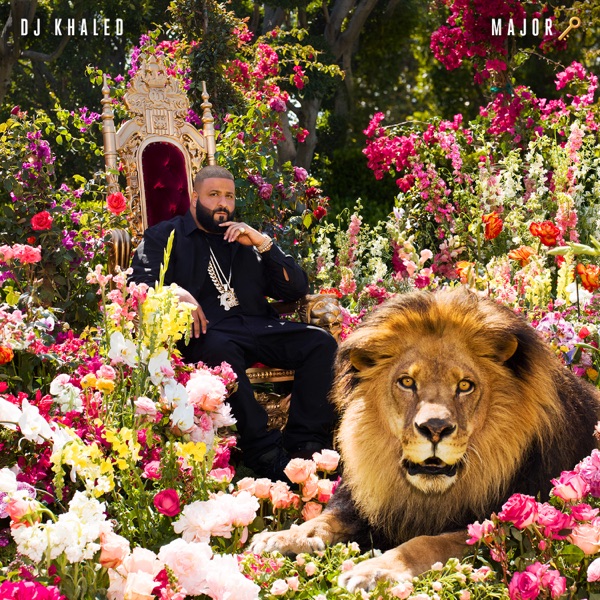
For Free (feat. Drake)
DJ Khaled · Major Key
A boastful anthem of conquest that reduces love to leverage and status.
Where the words land
Signal: At Odds.
What do these signals mean?
- Edifying: Points the heart toward God, truth, hope, or love.
- Worth Weighing: Real good and real concern together. Test it before you take it in.
- Strained: Strains against Scripture: leans toward what could dull or mislead.
- At Odds: At odds with Scripture: celebrates what it warns against. Little here builds up.
Weighed against Scripture
“You know this d**k ain't free”
“Flee from sexual immorality. Every other sin a man can commit is outside his body, but he who sins sexually sins against his own body. Do you not know that your body is a temple of the Holy Spirit who is in you, whom you have received from God? You are not your own; you were bought at a price. Therefore glorify God with your body.”
The song frames sex as currency and leverage, the opposite of the honoring, self-giving view of the body Paul describes here.
“You know I never put the pressure on you”
“Do nothing out of selfish ambition or empty pride, but in humility consider others more important than yourselves. Each of you should look not only to your own interests, but also to the interests of others.”
Despite the claim of no pressure, the song's whole posture centers self-interest and status rather than genuine care for another's good.
The song as a whole
“For it is God’s will that you should be holy: You must abstain from sexual immorality; each of you must know how to control his own body in holiness and honor, not in lustful passion like the Gentiles who do not know God;”
Treating women as objects to be used or made to 'pay' stands against the call to treat others with honor rather than lustful passion.
“May your fountain be blessed, and may you rejoice in the wife of your youth: A loving doe, a graceful fawn— may her breasts satisfy you always; may you be captivated by her love forever.”
Scripture does celebrate sexual delight, but within covenant love and mutual devotion, not boastful conquest and transactional pride.
In short
This track is a victory lap of sexual conquest and status, dressed up in bravado about not needing to 'pay' for sex because of fame and desirability. There's no self-reflection or tenderness here, just a parade of boasts that reduce women to bodies and transactions. It's catchy and confident, but spiritually it's pointed entirely inward, toward self-glory rather than love or honor of another person.
- Lyrical content
Explicit sexual boasting, objectification of women, and transactional framing of sex throughout.
- Spiritual posture
The song centers on self-exaltation and conquest, treating women as commodities valued only for what they provide sexually.
- Apparent intent
This is a boastful celebration of using women for sex and status, not a reflection or lament; it glamorizes the exploitative posture it describes.
What do these ratings mean?
- Lyrical content, what the words say on the surface. Clean: nothing coarse, sexual or violent. Mild: a trace of it, by allusion or a rare word. Strong: profanity, sex or violence in plain words. Explicit: graphic, or sin held up to admire.
- Spiritual posture, where the song's heart points. God-honoring: toward God, truth or hope. Searching: honestly reaching or wrestling toward truth, without arriving. Neutral: spiritually indifferent; neither reaches nor rejects. Dark: despairing, nihilistic, self-exalting or hostile to God.
- Apparent intent, what the song is for. Edifying: worship, encouragement, honest lament. Cathartic: letting grief, anger or longing out, told honestly. Ambiguous: hard to say what the song is for. Harmful: celebrates evil, mocks faith or draws toward sin.
Does this song shape how you see and value the people around you, or just how you see yourself?
An AI-assisted reading. It can misread a lyric, a metaphor or a song’s intent.



