For You I Will
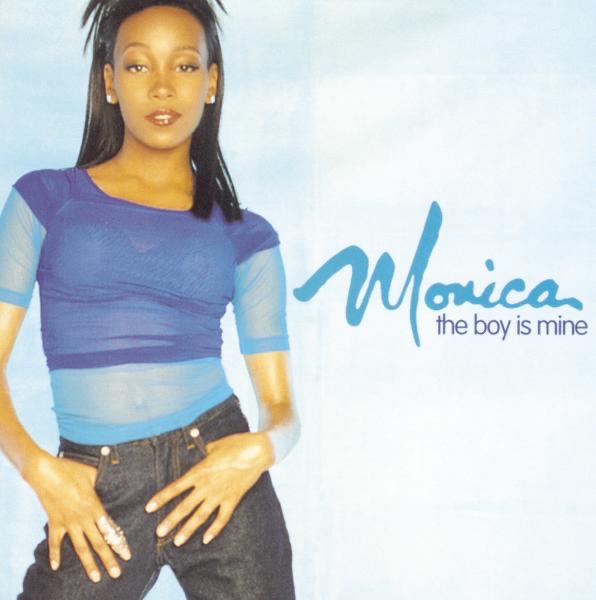
Monica · The Boy Is Mine
A heartfelt promise of devoted, sacrificial love between two people.
Where the words land
Signal: Edifying.
What do these signals mean?
- Edifying: Points the heart toward God, truth, hope, or love.
- Worth Weighing: Real good and real concern together. Test it before you take it in.
- Strained: Strains against Scripture: leans toward what could dull or mislead.
- At Odds: At odds with Scripture: celebrates what it warns against. Little here builds up.
Weighed against Scripture
“I will cross the ocean for you”
“Set me as a seal over your heart, as a seal upon your arm. For love is as strong as death, its jealousy as unrelenting as Sheol. Its sparks are fiery flames, the fiercest blaze of all. Mighty waters cannot quench love; rivers cannot sweep it away. If a man were to give all the wealth of his house for love, his offer would be utterly scorned.”
This love song's extravagant devotion mirrors Scripture's own celebration of love 'strong as death,' willing to give everything for the beloved.
“I will shield your heart from the rain”
“Love is patient, love is kind. It does not envy, it does not boast, it is not proud. It is not rude, it is not self-seeking, it is not easily angered, it keeps no account of wrongs. Love takes no pleasure in evil, but rejoices in the truth. It bears all things, believes all things, hopes all things, endures all things.”
The promise to protect and never let the other down echoes the patient, bearing, enduring love described here, though applied to romance rather than Christlike love.
“For you I will die”
“Greater love has no one than this, that he lay down his life for his friends.”
The language of laying down one's life for another faintly echoes Jesus' own definition of greatest love, even though the song's object is a romantic partner, not a neighbor in the broader sense.
The song as a whole
This is what the LORD says: “Cursed is the man who trusts in mankind, who makes mere flesh his strength and turns his heart from the LORD. He will be like a shrub in the desert; he will not see when prosperity comes. He will dwell in the parched places of the desert, in a salt land where no one lives. But blessed is the man who trusts in the LORD, whose confidence is in Him.
The song's sweeping promises ('I will be your hero,' 'fortress') place a human being in a role Scripture reserves for God alone; a gentle caution against leaning entirely on another person as ultimate strength and shelter.
Words of Christ are set in red.
In short
This is a tender promise of total devotion between two people, full of imagery of protection, sacrifice, and steadfast love. It's wholesome and uplifting on a human level, though its focus stays entirely on romantic commitment rather than anything transcendent. There's nothing harmful here, just a love song that asks a person to be someone's 'fortress' and 'sun,' roles Scripture usually reserves for God.
- Spiritual posture
The song centers human devotion and protection rather than God, but it isn't hostile or self-exalting, just focused entirely on a romantic bond.
What do these ratings mean?
- Lyrical content, what the words say on the surface. Clean: nothing coarse, sexual or violent. Mild: a trace of it, by allusion or a rare word. Strong: profanity, sex or violence in plain words. Explicit: graphic, or sin held up to admire.
- Spiritual posture, where the song's heart points. God-honoring: toward God, truth or hope. Searching: honestly reaching or wrestling toward truth, without arriving. Neutral: spiritually indifferent; neither reaches nor rejects. Dark: despairing, nihilistic, self-exalting or hostile to God.
- Apparent intent, what the song is for. Edifying: worship, encouragement, honest lament. Cathartic: letting grief, anger or longing out, told honestly. Ambiguous: hard to say what the song is for. Harmful: celebrates evil, mocks faith or draws toward sin.
Does this song's picture of total devotion point you toward loving others well, or toward expecting a person to meet needs only God can fully meet?
An AI-assisted reading. It can misread a lyric, a metaphor or a song’s intent.


