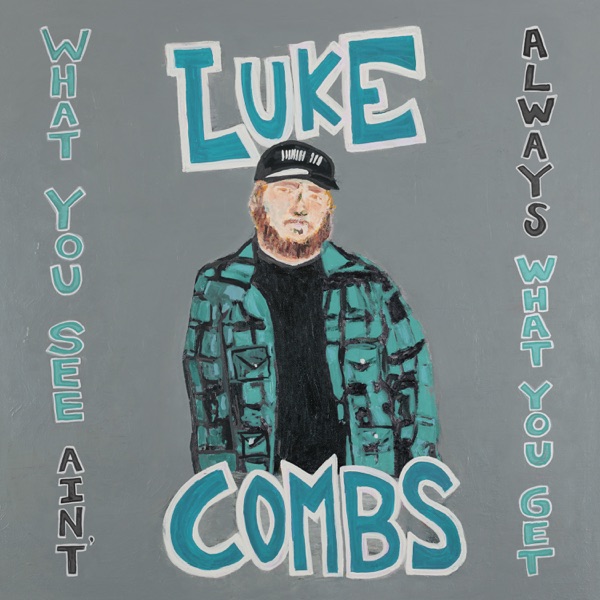
Forever After All
Luke Combs · What You See Ain't Always What You Get (Deluxe Edition)
A weathered, honest love song that reaches past decay toward lasting hope.
Where the words land
Signal: Edifying.
What do these signals mean?
- Edifying: Points the heart toward God, truth, hope, or love.
- Worth Weighing: Real good and real concern together. Test it before you take it in.
- Strained: Strains against Scripture: leans toward what could dull or mislead.
- At Odds: At odds with Scripture: celebrates what it warns against. Little here builds up.
Weighed against Scripture
“You only get so much until it's gone”
“Futility of futilities,” says the Teacher, “futility of futilities! Everything is futile!” What does a man gain from all his labor, at which he toils under the sun? Generations come and generations go, but the earth remains forever.
The song opens with the same clear-eyed acknowledgment of fleetingness that Ecclesiastes names: all things wear out and pass.
“time's gonna take its toll”
“The length of our days is seventy years — or eighty if we are strong — yet their pride is but labor and sorrow, for they quickly pass, and we fly away.”
Matches the Psalm's sober honesty about how quickly years and strength fade.
“But they ain't seen us together”
“Set me as a seal over your heart, as a seal upon your arm. For love is as strong as death, its jealousy as unrelenting as Sheol. Its sparks are fiery flames, the fiercest blaze of all. Mighty waters cannot quench love; rivers cannot sweep it away. If a man were to give all the wealth of his house for love, his offer would be utterly scorned.”
Echoes the Song's claim that real love is stronger than the forces that wear everything else down, 'many waters cannot quench love.'
“The good Lord calls one of us home”
“Brothers, we do not want you to be uninformed about those who sleep in death, so that you will not grieve like the rest, who are without hope. For since we believe that Jesus died and rose again, we also believe that God will bring with Jesus those who have fallen asleep in Him.”
The song's hope that separation by death 'won't last too long' leans toward the same hope Paul offers grieving believers, though more implied than doctrinal here.
The song as a whole
“It bears all things, believes all things, hopes all things, endures all things. Love never fails. But where there are prophecies, they will cease; where there are tongues, they will be restrained; where there is knowledge, it will be dismissed.”
The whole song's thesis, that true love 'never fails' while other things fade, mirrors this passage's claim almost exactly.
In short
This is a love song that doesn't flinch from mortality, trucks wear out, batteries die, bodies age, but argues that real love might be the one exception. It even names God and the hope of reunion after death, which gives the hope some actual footing rather than vague sentiment. It's tender without being saccharine, and refreshingly honest about time's toll before it reaches for something more.
- Spiritual posture
Acknowledges mortality and impermanence honestly, then reaches past it toward something lasting, even naming God directly near the end.
What do these ratings mean?
- Lyrical content, what the words say on the surface. Clean: nothing coarse, sexual or violent. Mild: a trace of it, by allusion or a rare word. Strong: profanity, sex or violence in plain words. Explicit: graphic, or sin held up to admire.
- Spiritual posture, where the song's heart points. God-honoring: toward God, truth or hope. Searching: honestly reaching or wrestling toward truth, without arriving. Neutral: spiritually indifferent; neither reaches nor rejects. Dark: despairing, nihilistic, self-exalting or hostile to God.
- Apparent intent, what the song is for. Edifying: worship, encouragement, honest lament. Cathartic: letting grief, anger or longing out, told honestly. Ambiguous: hard to say what the song is for. Harmful: celebrates evil, mocks faith or draws toward sin.
Does the lasting love this song describes point you toward the love it borrows its hope from?
An AI-assisted reading. It can misread a lyric, a metaphor or a song’s intent.


