Forever (with Drake, Kanye West & Lil Wayne)
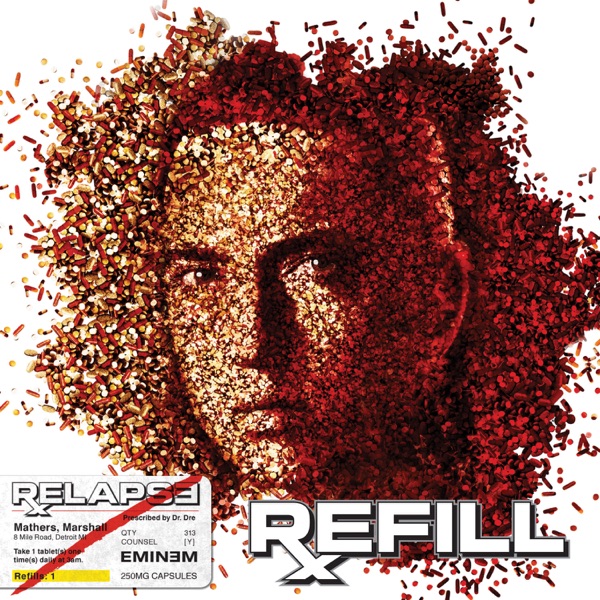
Drake, Kanye West, Lil Wayne & Eminem · Relapse: Refill
A boastful anthem to fame and conquest with one fleeting crack of doubt.
Where the words land
Signal: At Odds, leaning strained.
What do these signals mean?
- Edifying: Points the heart toward God, truth, hope, or love.
- Worth Weighing: Real good and real concern together. Test it before you take it in.
- Strained: Strains against Scripture: leans toward what could dull or mislead.
- At Odds: At odds with Scripture: celebrates what it warns against. Little here builds up.
Weighed against Scripture
“Last name ever, first name greatest”
“Let another praise you, and not your own mouth— a stranger, and not your own lips.”
The song is built on self-praise ('greatest') rather than letting others' praise speak, the opposite of this proverb's counsel.
“Trade the Grammy plaques just to have my granny back”
“Anything my eyes desired, I did not deny myself. I refused my heart no pleasure. For my heart took delight in all my work, and this was the reward for all my labor. Yet when I considered all the works that my hands had accomplished and what I had toiled to achieve, I found everything to be futile, a pursuit of the wind; there was nothing to be gained under the sun.”
A rare flash of honesty that achievement and pleasure feel hollow compared to what truly matters, like the Preacher's verdict that chasing gain is 'vanity.'
“Chasin' that stardom would turn you into a maniac”
“What does it profit a man to gain the whole world, yet forfeit his soul?”
Drake briefly names the cost of trading his soul for stardom, even if the song doesn't dwell there.
“I'm Hannibal Lecter, so just in case”
“For they cannot sleep unless they do evil; they are deprived of slumber until they make someone fall. For they eat the bread of wickedness and drink the wine of violence.”
The violent boasting here glamorizes aggression as a mark of strength rather than something to be put away.
The song as a whole
“For all that is in the world — the desires of the flesh, the desires of the eyes, and the pride of life — is not from the Father but from the world.”
The whole track is a catalog of the pride of life, boasting in possessions, conquests, and dominance, the very thing this verse warns is not from the Father.
Words of Christ are set in red.
In short
This is a victory-lap posse cut where four rappers trade boasts about fame, money, women, and lyrical dominance, wanting the high of success to last 'forever.' Buried in Drake's verse is a flicker of doubt, admitting fame can feel empty and that he'd trade it to have his grandmother back, but the song quickly returns to swagger. There's little reaching toward anything beyond self and status.
- Lyrical content
Heavy profanity, boasts about women as conquests, violent battle-rap imagery, and drug references run throughout all four verses.
- Spiritual posture
The song is built entirely on self-exaltation: chasing fame, wealth, and dominance 'forever' with no reference point outside the self. One verse briefly admits fame's emptiness before reverting to boasting.
- Apparent intent
Primarily a victory-lap posse cut celebrating success and competitive one-upmanship; Drake's bridge flashes genuine ambivalence about fame but the song as a whole leans into celebrating it rather than examining it.
What do these ratings mean?
- Lyrical content, what the words say on the surface. Clean: nothing coarse, sexual or violent. Mild: a trace of it, by allusion or a rare word. Strong: profanity, sex or violence in plain words. Explicit: graphic, or sin held up to admire.
- Spiritual posture, where the song's heart points. God-honoring: toward God, truth or hope. Searching: honestly reaching or wrestling toward truth, without arriving. Neutral: spiritually indifferent; neither reaches nor rejects. Dark: despairing, nihilistic, self-exalting or hostile to God.
- Apparent intent, what the song is for. Edifying: worship, encouragement, honest lament. Cathartic: letting grief, anger or longing out, told honestly. Ambiguous: hard to say what the song is for. Harmful: celebrates evil, mocks faith or draws toward sin.
When the song admits fame feels hollow, does it change what you're chasing, or just how loudly you chase it?
An AI-assisted reading. It can misread a lyric, a metaphor or a song’s intent.


