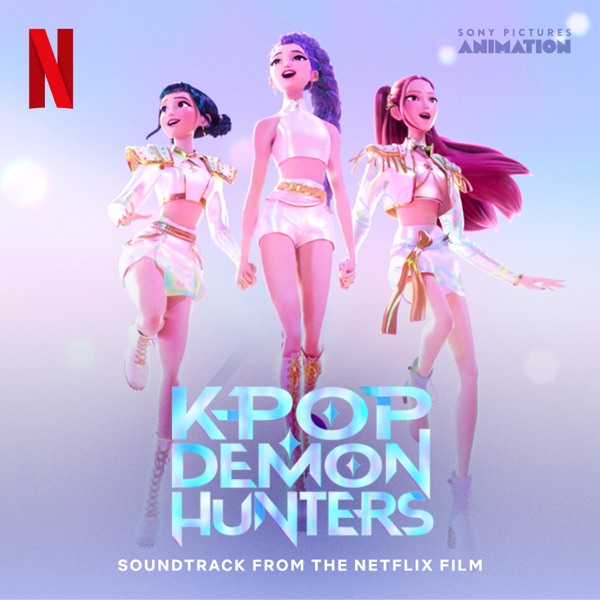
Golden
HUNTR/X, EJAE, AUDREY NUNA, REI AMI & KPop Demon Hunters Cast · KPop Demon Hunters (Soundtrack from the Netflix Film)
A confident anthem about shining that never asks who lit the light.
Where the words land
Signal: Edifying, leaning worth weighing.
What do these signals mean?
- Edifying: Points the heart toward God, truth, hope, or love.
- Worth Weighing: Real good and real concern together. Test it before you take it in.
- Strained: Strains against Scripture: leans toward what could dull or mislead.
- At Odds: At odds with Scripture: celebrates what it warns against. Little here builds up.
Weighed against Scripture
“I praise You, for I am fearfully and wonderfully made. Marvelous are Your works, and I know this very well.”
The song's call to stop hiding and embrace who you are echoes the truth that each person is fearfully and wonderfully made, though it roots that worth in self-discovery rather than in the Maker.
This is what the LORD says: “Let not the wise man boast in his wisdom, nor the strong man in his strength, nor the wealthy man in his riches. But let him who boasts boast in this, that he understands and knows Me, that I am the LORD, who exercises loving devotion, justice and righteousness on the earth — for I delight in these things,” declares the LORD.
Where the song encourages glorying in one's own shine and strength, this passage redirects boasting toward knowing God as the true source of worth.
In short
"Golden" is a bright, triumphant anthem about casting off fear and insecurity to finally be seen and shine. It's emotionally uplifting and clean, but its confidence is self-generated rather than God-given, a song about self-actualization more than transcendence. Taken as encouragement to stop hiding and live boldly, it's harmless and even energizing; taken as a worldview, it leaves out where lasting worth actually comes from.
- Spiritual posture
The song centers on self-belief and personal triumph rather than any reach toward or away from God; it's an anthem of self-empowerment.
- Apparent intent
Written as a rallying, confidence-building anthem (tied to the animated film's story of hidden identity and courage), meant to uplift and energize listeners.
What do these ratings mean?
- Lyrical content, what the words say on the surface. Clean: nothing coarse, sexual or violent. Mild: a trace of it, by allusion or a rare word. Strong: profanity, sex or violence in plain words. Explicit: graphic, or sin held up to admire.
- Spiritual posture, where the song's heart points. God-honoring: toward God, truth or hope. Searching: honestly reaching or wrestling toward truth, without arriving. Neutral: spiritually indifferent; neither reaches nor rejects. Dark: despairing, nihilistic, self-exalting or hostile to God.
- Apparent intent, what the song is for. Edifying: worship, encouragement, honest lament. Cathartic: letting grief, anger or longing out, told honestly. Ambiguous: hard to say what the song is for. Harmful: celebrates evil, mocks faith or draws toward sin.
When you feel yourself finally 'shining,' do you trace that light back further than yourself?
An AI-assisted reading. It can misread a lyric, a metaphor or a song’s intent.


