Gotta Serve Somebody
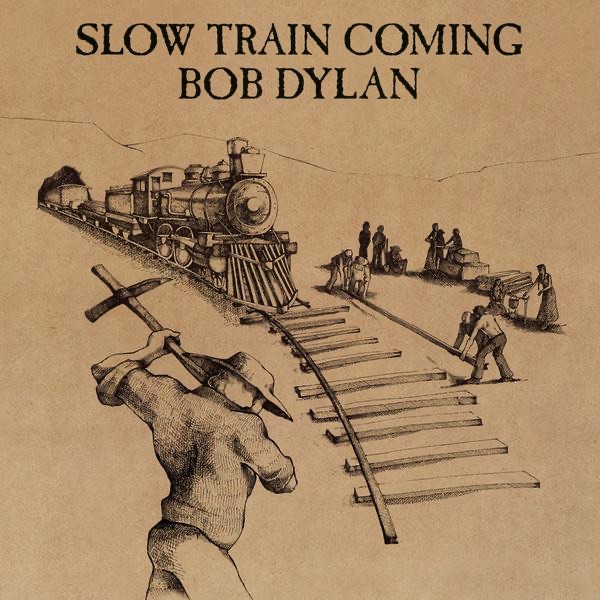
Bob Dylan · Slow Train Coming
No title or fortune exempts you from choosing your master.
Where the words land
Signal: Edifying.
What do these signals mean?
- Edifying: Points the heart toward God, truth, hope, or love.
- Worth Weighing: Real good and real concern together. Test it before you take it in.
- Strained: Strains against Scripture: leans toward what could dull or mislead.
- At Odds: At odds with Scripture: celebrates what it warns against. Little here builds up.
Weighed against Scripture
“But you're gonna have to serve somebody”
But if it is unpleasing in your sight to serve the LORD, then choose for yourselves this day whom you will serve, whether the gods your fathers served beyond the Euphrates, or the gods of the Amorites in whose land you are living. As for me and my house, we will serve the LORD!”
Joshua's challenge to choose whom you will serve is the same ultimatum Dylan presses on every listener regardless of status.
The song as a whole
“No one can serve two masters: Either he will hate the one and love the other, or he will be devoted to the one and despise the other. You cannot serve both God and money.”
Jesus's own words that no one can serve two masters frame the entire song's structure and argument.
“For God does not show favoritism.”
Paul's reminder that God shows no partiality matches the song's insistence that wealth, status, and title mean nothing before this choice.
“Not everyone who says to Me, ‘Lord, Lord,’ will enter the kingdom of heaven, but only he who does the will of My Father in heaven. Many will say to Me on that day, ‘Lord, Lord, did we not prophesy in Your name, and in Your name drive out demons and perform many miracles?’ Then I will tell them plainly, ‘I never knew you; depart from Me, you workers of lawlessness!’”
Even religious title and preaching don't guarantee true service to God; outward position can mask the wrong master, which this verse warns against.
“Do you not know that when you offer yourselves as obedient slaves, you are slaves to the one you obey, whether you are slaves to sin leading to death, or to obedience leading to righteousness?”
Paul's teaching that we are slaves to whatever we obey underlies the binary choice the song keeps repeating.
Words of Christ are set in red.
In short
Dylan runs through every conceivable social role, ambassador, boxer, thief, preacher, landlord, to strip away the illusion that status exempts anyone from ultimate allegiance. Underneath the folksy list format is a blunt theological claim: everyone serves something, and the only real choice is which master. It's sermon dressed as song, unflinching but not unkind, aimed at complacency more than any particular sin.
What do these ratings mean?
- Lyrical content, what the words say on the surface. Clean: nothing coarse, sexual or violent. Mild: a trace of it, by allusion or a rare word. Strong: profanity, sex or violence in plain words. Explicit: graphic, or sin held up to admire.
- Spiritual posture, where the song's heart points. God-honoring: toward God, truth or hope. Searching: honestly reaching or wrestling toward truth, without arriving. Neutral: spiritually indifferent; neither reaches nor rejects. Dark: despairing, nihilistic, self-exalting or hostile to God.
- Apparent intent, what the song is for. Edifying: worship, encouragement, honest lament. Cathartic: letting grief, anger or longing out, told honestly. Ambiguous: hard to say what the song is for. Harmful: celebrates evil, mocks faith or draws toward sin.
Setting status and title aside, what does your daily life reveal about who you actually serve?
An AI-assisted reading. It can misread a lyric, a metaphor or a song’s intent.


