Hallelujah
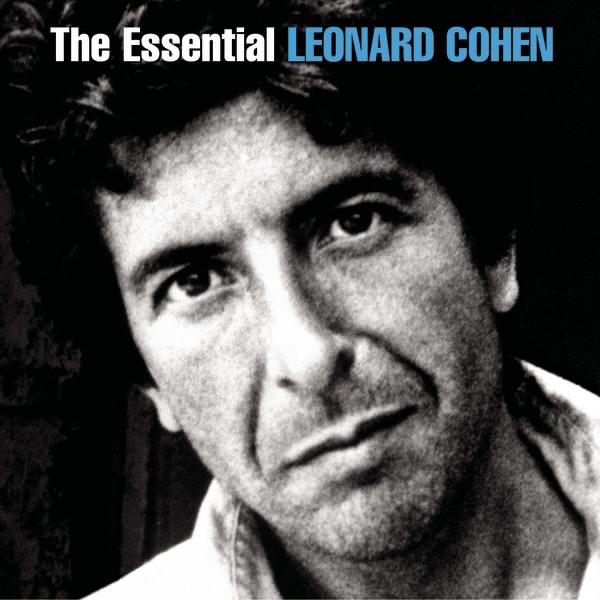
Leonard Cohen · The Essential Leonard Cohen
A broken, honest hallelujah sung from love's wreckage, not its victory.
Where the words land
Signal: Worth Weighing, leaning edifying.
What do these signals mean?
- Edifying: Points the heart toward God, truth, hope, or love.
- Worth Weighing: Real good and real concern together. Test it before you take it in.
- Strained: Strains against Scripture: leans toward what could dull or mislead.
- At Odds: At odds with Scripture: celebrates what it warns against. Little here builds up.
Weighed against Scripture
“That David played, and it pleased the Lord”
One evening David got up from his bed and strolled around on the roof of the palace. And from the roof he saw a woman bathing— a very beautiful woman. So David sent and inquired about the woman, and he was told, “This is Bathsheba, the daughter of Eliam and the wife of Uriah the Hittite.” Then David sent messengers to get her, and when she came to him, he slept with her. (Now she had just purified herself from her uncleanness.) Then she returned home.
Invokes David's own fall into lust and betrayal even as his psalms praised God, the same tension the song explores between worship and weakness.
“She broke your throne, and she cut your hair”
Samson told her all that was in his heart: “My hair has never been cut, because I have been a Nazirite to God from my mother’s womb. If I am shaved, my strength will leave me, and I will become as weak as any other man.” When Delilah realized that he had revealed to her all that was in his heart, she sent this message to the lords of the Philistines: “Come up once more, for he has revealed to me all that is in his heart.” Then the lords of the Philistines came to her, bringing the money in their hands. And having lulled him to sleep on her lap, she called a man to shave off the seven braids of his head. In this way she began to subdue him, and his strength left him.
Directly echoes Samson's loss of strength through Delilah, used here as a picture of love that both devotes and devastates.
“maybe there's a God above”
“How long, O LORD? Will You forget me forever? How long will You hide Your face from me? How long must I wrestle in my soul, with sorrow in my heart each day? How long will my enemy dominate me?”
Like the psalmist's uncertain cry, the line voices doubt without abandoning the possibility of God, a searching rather than dismissive stance.
“love is not some kind of victory march”
“Love is patient, love is kind. It does not envy, it does not boast, it is not proud. It is not rude, it is not self-seeking, it is not easily angered, it keeps no account of wrongs. Love takes no pleasure in evil, but rejoices in the truth. It bears all things, believes all things, hopes all things, endures all things.”
Paul's vision of patient, enduring love stands against the song's picture of love as conquest and defeat, highlighting the brokenness the singer confesses.
The song as a whole
saying: “Naked I came from my mother’s womb, and naked I will return. The LORD gave, and the LORD has taken away. Blessed be the name of the LORD.”
Like Job's praise amid loss, the singer offers worship stripped of triumph or self-justification, praise as surrender rather than celebration.
In short
Cohen weaves biblical stories of David and Samson into a meditation on love's power to both exalt and break a person. The 'Hallelujah' that emerges isn't triumphant but cracked, offered honestly from failure and longing rather than resolution. It's less a worship song than a confession that praise can coexist with doubt and brokenness.
- Lyrical content
Biblical allusion and intimate imagery mix with one line about violence used metaphorically; nothing graphic, but adult and allusive throughout.
- Spiritual posture
The song circles God, faith, and worship through the lens of broken love and failure, arriving at humility rather than certainty or despair.
- Apparent intent
Cohen uses David and Samson's stories to探索 how love and faith both wound and compel praise; it reads as honest reckoning, not mockery or celebration of sin.
What do these ratings mean?
- Lyrical content, what the words say on the surface. Clean: nothing coarse, sexual or violent. Mild: a trace of it, by allusion or a rare word. Strong: profanity, sex or violence in plain words. Explicit: graphic, or sin held up to admire.
- Spiritual posture, where the song's heart points. God-honoring: toward God, truth or hope. Searching: honestly reaching or wrestling toward truth, without arriving. Neutral: spiritually indifferent; neither reaches nor rejects. Dark: despairing, nihilistic, self-exalting or hostile to God.
- Apparent intent, what the song is for. Edifying: worship, encouragement, honest lament. Cathartic: letting grief, anger or longing out, told honestly. Ambiguous: hard to say what the song is for. Harmful: celebrates evil, mocks faith or draws toward sin.
Does this song's honesty about doubt and failure draw you closer to real worship, or leave you resting in ambiguity about who God is?
An AI-assisted reading. It can misread a lyric, a metaphor or a song’s intent.