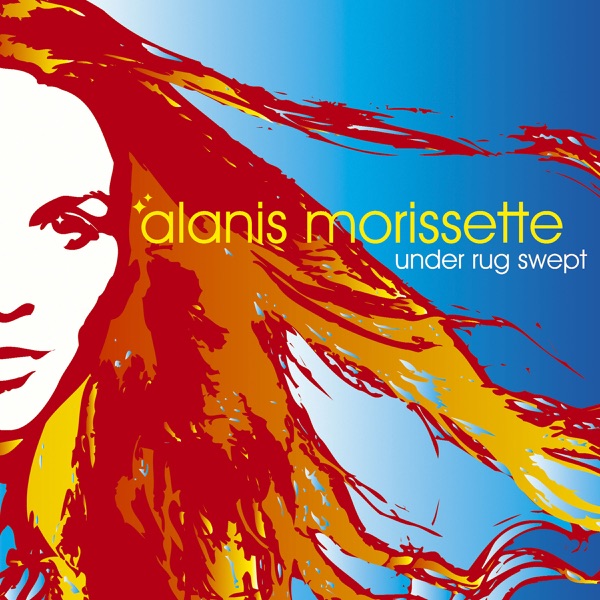
Hands Clean
Alanis Morissette · Under Rug Swept
A predator's self-justifying voice, exposed rather than endorsed.
Where the words land
Signal: Worth Weighing, leaning strained.
What do these signals mean?
- Edifying: Points the heart toward God, truth, hope, or love.
- Worth Weighing: Real good and real concern together. Test it before you take it in.
- Strained: Strains against Scripture: leans toward what could dull or mislead.
- At Odds: At odds with Scripture: celebrates what it warns against. Little here builds up.
Weighed against Scripture
“If it weren't for my attention, you wouldn't have been successful”
“Son of man, prophesy against the shepherds of Israel. Prophesy and tell them that this is what the Lord GOD says: ‘Woe to the shepherds of Israel, who only feed themselves! Should not the shepherds feed their flock? You eat the fat, wear the wool, and butcher the fattened sheep, but you do not feed the flock. You have not strengthened the weak, healed the sick, bound up the injured, brought back the strays, or searched for the lost. Instead, you have ruled them with violence and cruelty.
The narrator twists care into control, exactly the kind of self-serving 'shepherding' Ezekiel condemns, where the powerful feed themselves at the expense of the vulnerable.
“Just make sure you don't tell on me”
“Have no fellowship with the fruitless deeds of darkness, but rather expose them. For it is shameful even to mention what the disobedient do in secret. But everything exposed by the light becomes visible, for everything that is illuminated becomes a light itself.”
Scripture calls hidden deeds into the light; the song's demand for silence is the very instinct Paul says exposes guilt.
“What part of our history's reinvented and under rug swept?”
When I kept silent, my bones became brittle from my groaning all day long. For day and night Your hand was heavy upon me; my strength was drained as in the summer heat. Selah Then I acknowledged my sin to You and did not hide my iniquity. I said, “I will confess my transgressions to the LORD,” and You forgave the guilt of my sin. Selah
The question of suppressed, selectively remembered wrongdoing echoes the psalmist's recognition that unconfessed sin festers until named honestly.
The song as a whole
“But if anyone causes one of these little ones who believe in Me to stumble, it would be better for him to have a large millstone hung around his neck and to be drowned in the depths of the sea.”
Jesus reserves his sternest warning for those who exploit the vulnerable and young; this line's casual enjoyment of dependency is the posture he condemns.
Jesus said to His disciples, “It is inevitable that stumbling blocks will come, but woe to the one through whom they come! It would be better for him to have a millstone hung around his neck and to be thrown into the sea than to cause one of these little ones to stumble.
The song gives voice, unflinchingly, to the self-justifying logic of someone who causes a vulnerable person to stumble, the very thing Jesus says warrants severe judgment.
Words of Christ are set in red.
In short
This is Morissette narrating in the voice of an abuser, a manipulative figure who grooms a younger, dependent person and demands silence to protect himself. The song doesn't celebrate this; it exposes it by letting the predator's self-justifying logic speak plainly and damningly. It's uncomfortable precisely because it's effective: naming manipulation from the inside so the listener recognizes the pattern.
- Lyrical content
No profanity, but the lyrics depict grooming and a coercive, secret relationship with explicit manipulation and sexualized control.
- Spiritual posture
The narrator voice justifies abuse of power, demands silence, and frames exploitation as mutual benefit; there's no repentance within the song itself, though the song exists to expose this dynamic.
- Apparent intent
Morissette has spoken about this as autobiographical, written to expose and process a real abusive relationship from her youth; the intent is unmasking, not celebrating, the abuse.
What do these ratings mean?
- Lyrical content, what the words say on the surface. Clean: nothing coarse, sexual or violent. Mild: a trace of it, by allusion or a rare word. Strong: profanity, sex or violence in plain words. Explicit: graphic, or sin held up to admire.
- Spiritual posture, where the song's heart points. God-honoring: toward God, truth or hope. Searching: honestly reaching or wrestling toward truth, without arriving. Neutral: spiritually indifferent; neither reaches nor rejects. Dark: despairing, nihilistic, self-exalting or hostile to God.
- Apparent intent, what the song is for. Edifying: worship, encouragement, honest lament. Cathartic: letting grief, anger or longing out, told honestly. Ambiguous: hard to say what the song is for. Harmful: celebrates evil, mocks faith or draws toward sin.
Does hearing manipulation narrated from the inside help you recognize it, or does inhabiting that voice for four minutes cost more than it teaches?
An AI-assisted reading. It can misread a lyric, a metaphor or a song’s intent.


