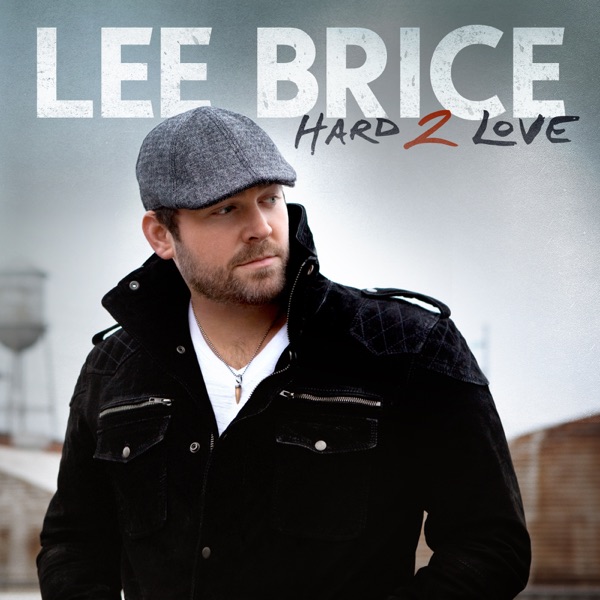
Hard to Love
Lee Brice · Hard 2 Love
A humble confession of unworthiness met with grace, dressed as a love song.
Where the words land
Signal: Edifying, leaning worth weighing.
What do these signals mean?
- Edifying: Points the heart toward God, truth, hope, or love.
- Worth Weighing: Real good and real concern together. Test it before you take it in.
- Strained: Strains against Scripture: leans toward what could dull or mislead.
- At Odds: At odds with Scripture: celebrates what it warns against. Little here builds up.
Weighed against Scripture
“Full of grace and full of Jesus”
“The Word became flesh and made His dwelling among us. We have seen His glory, the glory of the one and only Son from the Father, full of grace and truth.”
He describes his partner as embodying grace and Christ's presence, a tangible picture of godly character he admires.
“I don't deserve it but I love that you love me good”
“But God proves His love for us in this: While we were still sinners, Christ died for us.”
The theme of being loved despite unworthiness closely parallels the gospel pattern of grace extended to the undeserving.
“You've given me a million second chances”
“Love is patient, love is kind. It does not envy, it does not boast, it is not proud. It is not rude, it is not self-seeking, it is not easily angered, it keeps no account of wrongs. Love takes no pleasure in evil, but rejoices in the truth. It bears all things, believes all things, hopes all things, endures all things.”
The patience and endurance of this love reflects the description of love that bears and hopes all things.
The song as a whole
“for all have sinned and fall short of the glory of God,”
His list of failings mirrors the universal human condition of falling short, acknowledged without excuse.
In short
This is a humble confession, not a boast. The narrator names his real flaws, his drinking, his temper, his selfishness, and marvels that he's loved anyway. It's a secular love song, but its posture of undeserved grace and gratitude echoes something deeply biblical.
- Spiritual posture
The narrator admits his selfishness and shortcomings, humbled by grace he doesn't feel he's earned, even invoking his partner's faith as a model.
What do these ratings mean?
- Lyrical content, what the words say on the surface. Clean: nothing coarse, sexual or violent. Mild: a trace of it, by allusion or a rare word. Strong: profanity, sex or violence in plain words. Explicit: graphic, or sin held up to admire.
- Spiritual posture, where the song's heart points. God-honoring: toward God, truth or hope. Searching: honestly reaching or wrestling toward truth, without arriving. Neutral: spiritually indifferent; neither reaches nor rejects. Dark: despairing, nihilistic, self-exalting or hostile to God.
- Apparent intent, what the song is for. Edifying: worship, encouragement, honest lament. Cathartic: letting grief, anger or longing out, told honestly. Ambiguous: hard to say what the song is for. Harmful: celebrates evil, mocks faith or draws toward sin.
Does this song's honesty about personal failure, and gratitude for grace, deepen your own sense of being loved despite your flaws?
An AI-assisted reading. It can misread a lyric, a metaphor or a song’s intent.


