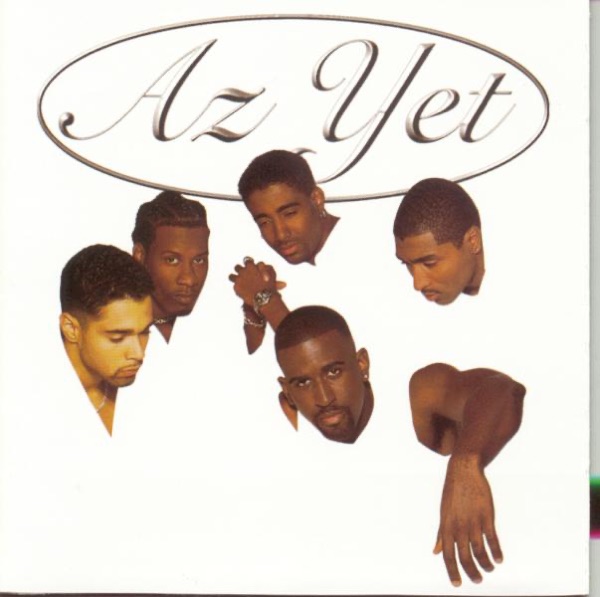
Hard to Say I'm Sorry (feat. Peter Cetera)
Az Yet · Az Yet
A tender plea for reconciliation in love, nothing more, nothing less.
Where the words land
Signal: Edifying, leaning worth weighing.
What do these signals mean?
- Edifying: Points the heart toward God, truth, hope, or love.
- Worth Weighing: Real good and real concern together. Test it before you take it in.
- Strained: Strains against Scripture: leans toward what could dull or mislead.
- At Odds: At odds with Scripture: celebrates what it warns against. Little here builds up.
Weighed against Scripture
“It's hard for me to say I'm sorry”
“Therefore confess your sins to each other and pray for each other so that you may be healed. The prayer of a righteous man has great power to prevail.”
Confession and admitting fault, even when difficult, is a pathway to healing in relationships, which this line gestures toward even in a secular context.
“You're just a part of me I can't let go”
“For this reason a man will leave his father and mother and be united to his wife, and they will become one flesh.”
The language of becoming inseparably bonded to another person echoes the one-flesh union described in this foundational passage on marriage and partnership.
The song as a whole
“Love is patient, love is kind. It does not envy, it does not boast, it is not proud. It is not rude, it is not self-seeking, it is not easily angered, it keeps no account of wrongs. Love takes no pleasure in evil, but rejoices in the truth. It bears all things, believes all things, hopes all things, endures all things.”
The commitment to restore and persevere in love reflects the patient, enduring quality of love described here, though aimed at romance rather than selfless love.
In short
This is a simple, sincere love song about the struggle to apologize and reconcile after a rough patch in a relationship. It doesn't touch on faith or deeper spiritual themes, it's squarely about romantic devotion and the vulnerability of admitting fault. There's nothing harmful here, but also nothing that reaches beyond the relational to the eternal.
- Spiritual posture
Focused entirely on romantic love and making amends with a partner; no reach toward or away from God, just human relational longing.
- Apparent intent
A heartfelt plea for forgiveness and reconnection, written to express vulnerability and commitment within a romantic relationship.
What do these ratings mean?
- Lyrical content, what the words say on the surface. Clean: nothing coarse, sexual or violent. Mild: a trace of it, by allusion or a rare word. Strong: profanity, sex or violence in plain words. Explicit: graphic, or sin held up to admire.
- Spiritual posture, where the song's heart points. God-honoring: toward God, truth or hope. Searching: honestly reaching or wrestling toward truth, without arriving. Neutral: spiritually indifferent; neither reaches nor rejects. Dark: despairing, nihilistic, self-exalting or hostile to God.
- Apparent intent, what the song is for. Edifying: worship, encouragement, honest lament. Cathartic: letting grief, anger or longing out, told honestly. Ambiguous: hard to say what the song is for. Harmful: celebrates evil, mocks faith or draws toward sin.
Does this song's picture of humility and commitment in relationships point you toward how you treat people in your own life?
An AI-assisted reading. It can misread a lyric, a metaphor or a song’s intent.