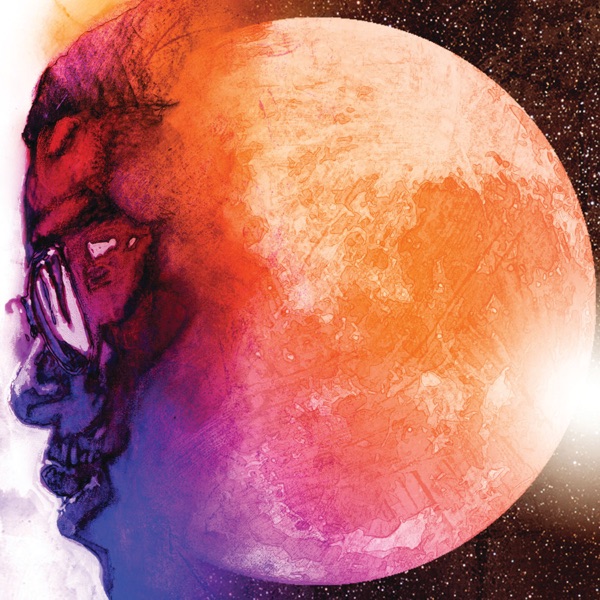
Heart of a Lion (Kid Cudi Theme Music)
Kid Cudi · Man On the Moon: The End of Day
A cry for help that refuses to lie down in despair.
Where the words land
Signal: Worth Weighing, leaning edifying.
What do these signals mean?
- Edifying: Points the heart toward God, truth, hope, or love.
- Worth Weighing: Real good and real concern together. Test it before you take it in.
- Strained: Strains against Scripture: leans toward what could dull or mislead.
- At Odds: At odds with Scripture: celebrates what it warns against. Little here builds up.
Weighed against Scripture
“Please save a kid that needs some help”
“The righteous cry out, and the LORD hears; He delivers them from all their troubles. The LORD is near to the brokenhearted; He saves the contrite in spirit.”
This cry for rescue mirrors the psalmist's plea to a God who draws near the brokenhearted, though Cudi doesn't yet name who he's calling to.
“like david and goliath kinda like me and the Devil”
But David said to the Philistine, “You come against me with sword and spear and javelin, but I come against you in the name of the LORD of Hosts, the God of the armies of Israel, whom you have defied. This day the LORD will deliver you into my hand. This day I will strike you down, cut off your head, and give the carcasses of the Philistine army to the birds of the air and the creatures of the earth. Then the whole world will know that there is a God in Israel. And all those assembled here will know that it is not by sword or spear that the LORD saves; for the battle is the LORD’s, and He will give all of you into our hands.”
Invoking David against Goliath frames his inner fight as a battle he can win against something far bigger than himself.
“my momma told me don't let no one break me”
“She opens her mouth with wisdom, and faithful instruction is on her tongue. She watches over the affairs of her household and does not eat the bread of idleness. Her children rise up and call her blessed; her husband praises her as well:”
A mother's wisdom passed down as an anchor point, a small but real source of steadying truth in the chaos.
“my mental is so unstable”
“Why are you downcast, O my soul? Why the unease within me? Put your hope in God, for I will yet praise Him for the salvation of His presence.”
The psalmist's self-address in despair, 'why are you cast down, O my soul,' resembles this same inward wrestling without full resolution.
The song as a whole
“We are hard pressed on all sides, but not crushed; perplexed, but not in despair; persecuted, but not forsaken; struck down, but not destroyed.”
The song's refusal to be 'broken' or dragged down, while still naming real affliction, echoes this picture of being pressed but not crushed.
In short
This is Cudi narrating his own depression and spiritual combat in real time, asking for help while refusing to let despair have the last word. The weed reference and talk of instability are honest, not celebrated; the song's center of gravity is resolve, not surrender to the dark. It reads like lament that keeps choosing to fight rather than give in.
- Lyrical content
No profanity of real weight; references weed and mental instability but mostly wrestling, internal struggle, and resolve.
- Spiritual posture
The song names a real spiritual battle, pleads for help, and pushes back against despair and self-destruction, even without naming God.
- Apparent intent
Cudi is processing depression and isolation, reaching for inner strength rather than glamorizing the darkness he names.
What do these ratings mean?
- Lyrical content, what the words say on the surface. Clean: nothing coarse, sexual or violent. Mild: a trace of it, by allusion or a rare word. Strong: profanity, sex or violence in plain words. Explicit: graphic, or sin held up to admire.
- Spiritual posture, where the song's heart points. God-honoring: toward God, truth or hope. Searching: honestly reaching or wrestling toward truth, without arriving. Neutral: spiritually indifferent; neither reaches nor rejects. Dark: despairing, nihilistic, self-exalting or hostile to God.
- Apparent intent, what the song is for. Edifying: worship, encouragement, honest lament. Cathartic: letting grief, anger or longing out, told honestly. Ambiguous: hard to say what the song is for. Harmful: celebrates evil, mocks faith or draws toward sin.
Does this song's fight against despair stir your own resolve, or does it linger too long in the darkness it names?
An AI-assisted reading. It can misread a lyric, a metaphor or a song’s intent.


