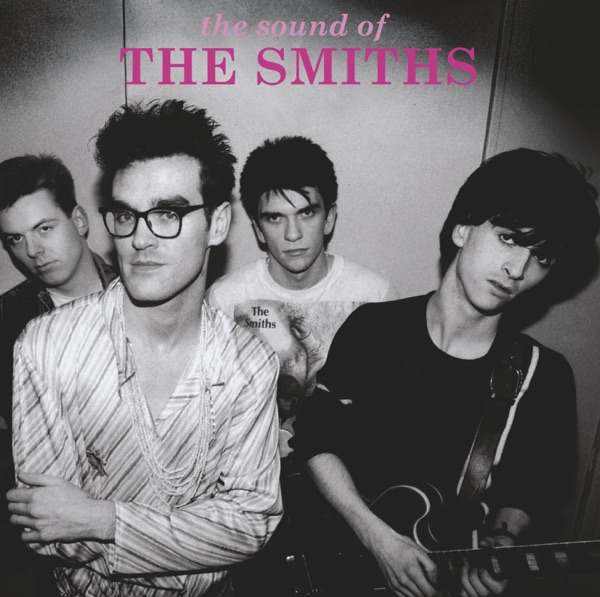
Heaven Knows I'm Miserable Now
The Smiths · The Sound of The Smiths
Stylish, witty despair that never looks for a way out.
Where the words land
Signal: Strained, leaning worth weighing.
What do these signals mean?
- Edifying: Points the heart toward God, truth, hope, or love.
- Worth Weighing: Real good and real concern together. Test it before you take it in.
- Strained: Strains against Scripture: leans toward what could dull or mislead.
- At Odds: At odds with Scripture: celebrates what it warns against. Little here builds up.
Weighed against Scripture
“I was happy in the haze of a drunken hour”
“Wine is a mocker, strong drink is a brawler, and whoever is led astray by them is not wise.”
The song treats drink as a fleeting escape hatch from misery, while Proverbs warns that this kind of happiness is a mocker's illusion.
“To people who don't care if I live or die?”
“Look to my right and see; no one attends to me. There is no refuge for me; no one cares for my soul.”
The psalmist voices the same ache of being surrounded by people who take no notice of his soul, though he turns to cry out to God, which this song never does.
The song as a whole
“With the tongue we bless our Lord and Father, and with it we curse men, who have been made in God’s likeness. Out of the same mouth come blessing and cursing. My brothers, this should not be!”
James names the dissonance of blessing and cursing from the same heart; the song sits in that tension without resolving it.
“So I hated life, because the work that is done under the sun was grievous to me. For everything is futile and a pursuit of the wind.”
The whole song's weary disgust with life and labor mirrors the Preacher's own confession of hating life, though Ecclesiastes eventually points past itself and this song stays put.
In short
This is misery worn almost like a costume: witty, theatrical, and self-aware rather than a raw cry for rescue. The drinking, the dead-end job, the people who don't care, all of it is real ache, but delivered with a smirk that keeps it at arm's length. There's no turn toward hope here, just a loop of the same complaint, which is part of its dark comedy but also its spiritual flatness.
- Lyrical content
No profanity, but wry references to drunkenness and a veiled sexual jab keep it from being purely innocent.
- Spiritual posture
A wry, self-deprecating wallow in misery with no reaching toward hope, relationship, or change; the gloom is almost worn as identity.
- Apparent intent
Morrissey's classic deadpan melancholy, meant more as mordant comedy and catharsis than a genuine cry for help.
What do these ratings mean?
- Lyrical content, what the words say on the surface. Clean: nothing coarse, sexual or violent. Mild: a trace of it, by allusion or a rare word. Strong: profanity, sex or violence in plain words. Explicit: graphic, or sin held up to admire.
- Spiritual posture, where the song's heart points. God-honoring: toward God, truth or hope. Searching: honestly reaching or wrestling toward truth, without arriving. Neutral: spiritually indifferent; neither reaches nor rejects. Dark: despairing, nihilistic, self-exalting or hostile to God.
- Apparent intent, what the song is for. Edifying: worship, encouragement, honest lament. Cathartic: letting grief, anger or longing out, told honestly. Ambiguous: hard to say what the song is for. Harmful: celebrates evil, mocks faith or draws toward sin.
Does revisiting this song's loop of misery help you name your own ache honestly, or does it just rehearse the gloom without ever reaching past it?
An AI-assisted reading. It can misread a lyric, a metaphor or a song’s intent.


