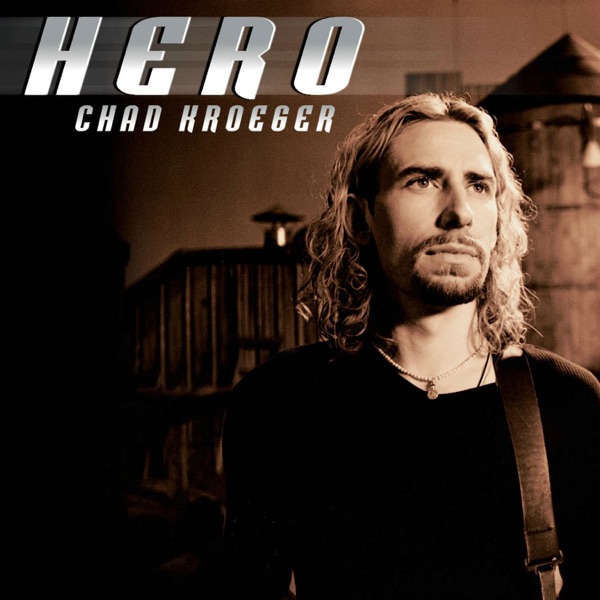
Hero (Motion Picture Version) [feat. Josey Scott]
Chad Kroeger featuring Josey Scott · Hero - Single (feat. Josey Scott)
An honest cry for a savior that never quite finds one
Where the words land
Signal: Worth Weighing, leaning edifying.
What do these signals mean?
- Edifying: Points the heart toward God, truth, hope, or love.
- Worth Weighing: Real good and real concern together. Test it before you take it in.
- Strained: Strains against Scripture: leans toward what could dull or mislead.
- At Odds: At odds with Scripture: celebrates what it warns against. Little here builds up.
Weighed against Scripture
“heaven, no, heaven don't hear me”
“My God, my God, why have You forsaken me? Why are You so far from saving me, so far from my words of groaning? I cry out by day, O my God, but You do not answer, and by night, but I have no rest.”
This is the same cry of felt divine silence that opens one of Scripture's rawest laments; honest doubt voiced toward God, not away from Him.
“a hero could save us, I'm not gonna stand here and wait”
“He saw that there was no man; He was amazed that there was no one to intercede. So His own arm brought salvation, and His own righteousness sustained Him.”
Isaiah says God was appalled that no one could intervene, so His own arm brought salvation; the song gives up on a hero rather than looking further for one who does come.
“look what love gave us, a world full of killing”
“Again I looked, and I considered all the oppression taking place under the sun. I saw the tears of the oppressed, and they had no comforter; the power lay in the hands of their oppressors, and there was no comforter.”
The Preacher names the same unresolved grief at oppression and violence without papering over it with easy answers.
The song as a whole
“But God proves His love for us in this: While we were still sinners, Christ died for us.”
The song doubts ordinary love is enough; Scripture answers that God's own love, demonstrated in Christ's sacrifice, is precisely the rescuing kind the song can't imagine.
In short
This song sits in the ache between wanting rescue and suspecting none is coming. It doesn't glorify despair, it just admits that neither heroism nor human love has fixed a broken world. There's no resolution offered, just an honest, searching sigh.
- Spiritual posture
The narrator reaches for transcendence ('so high, I can hear heaven') but finds heaven silent, and wonders whether love or heroism can really save anyone.
- Apparent intent
Written for a superhero film, it voices disillusionment and longing rather than offering answers; it's an honest airing of doubt, not a celebration of despair.
What do these ratings mean?
- Lyrical content, what the words say on the surface. Clean: nothing coarse, sexual or violent. Mild: a trace of it, by allusion or a rare word. Strong: profanity, sex or violence in plain words. Explicit: graphic, or sin held up to admire.
- Spiritual posture, where the song's heart points. God-honoring: toward God, truth or hope. Searching: honestly reaching or wrestling toward truth, without arriving. Neutral: spiritually indifferent; neither reaches nor rejects. Dark: despairing, nihilistic, self-exalting or hostile to God.
- Apparent intent, what the song is for. Edifying: worship, encouragement, honest lament. Cathartic: letting grief, anger or longing out, told honestly. Ambiguous: hard to say what the song is for. Harmful: celebrates evil, mocks faith or draws toward sin.
Where do you turn when the rescue you're hoping for seems slow or silent?
An AI-assisted reading. It can misread a lyric, a metaphor or a song’s intent.



