Hey Jude
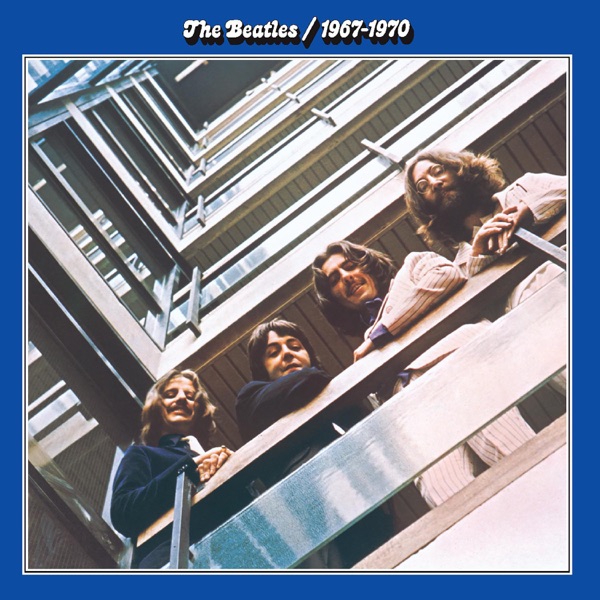
The Beatles · The Beatles 1967-1970 (The Blue Album)
A warm, human-hearted call to let love in rather than go cold
Where the words land
Signal: Edifying.
What do these signals mean?
- Edifying: Points the heart toward God, truth, hope, or love.
- Worth Weighing: Real good and real concern together. Test it before you take it in.
- Strained: Strains against Scripture: leans toward what could dull or mislead.
- At Odds: At odds with Scripture: celebrates what it warns against. Little here builds up.
Weighed against Scripture
“Take a sad song and make it better”
“For His anger is fleeting, but His favor lasts a lifetime. Weeping may stay the night, but joy comes in the morning.”
The hope that sorrow doesn't have to be the final word mirrors the psalmist's assurance that weeping gives way to morning joy.
“Don't carry the world upon your shoulders”
“Come to Me, all you who are weary and burdened, and I will give you rest.”
The invitation to set down a heavy burden echoes Jesus' call to the weary, though here the rest offered is companionship rather than Christ himself.
The song as a whole
“Carry one another’s burdens, and in this way you will fulfill the law of Christ.”
The song's whole posture of urging someone to open their heart to another and bear pain together reflects the call to carry one another's burdens.
Words of Christ are set in red.
In short
This is a tender, simple song of encouragement to a friend in pain, urging him to open his heart rather than close it off. It doesn't name God, but its instinct, that love and vulnerability are better than isolation and cynicism, points in a genuinely good direction. The comfort offered is entirely human-centered, which is its only real limitation.
- Spiritual posture
The song reaches toward hope and courage in the face of sadness, though it locates the solution in human will and love rather than anything beyond the self.
What do these ratings mean?
- Lyrical content, what the words say on the surface. Clean: nothing coarse, sexual or violent. Mild: a trace of it, by allusion or a rare word. Strong: profanity, sex or violence in plain words. Explicit: graphic, or sin held up to admire.
- Spiritual posture, where the song's heart points. God-honoring: toward God, truth or hope. Searching: honestly reaching or wrestling toward truth, without arriving. Neutral: spiritually indifferent; neither reaches nor rejects. Dark: despairing, nihilistic, self-exalting or hostile to God.
- Apparent intent, what the song is for. Edifying: worship, encouragement, honest lament. Cathartic: letting grief, anger or longing out, told honestly. Ambiguous: hard to say what the song is for. Harmful: celebrates evil, mocks faith or draws toward sin.
Where do you turn when the comfort of a friend's love isn't enough to make the sad song better?
An AI-assisted reading. It can misread a lyric, a metaphor or a song’s intent.