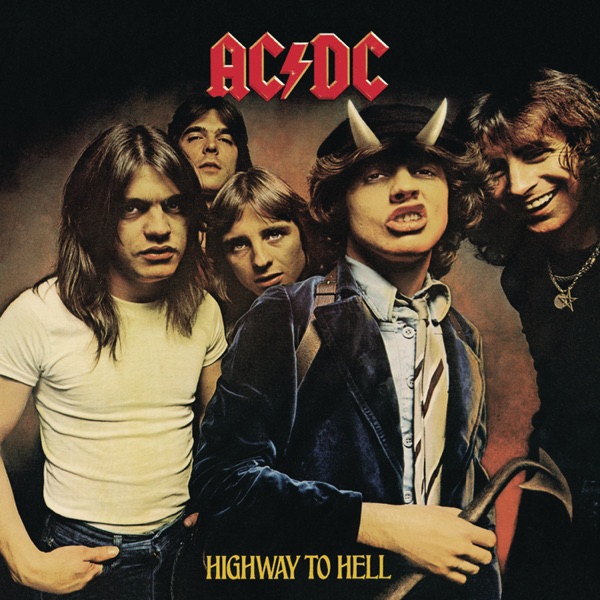
Highway to Hell
AC/DC · Highway to Hell
Gleeful swagger about recklessness, dressed in devilish imagery for shock value.
Where the words land
Signal: Strained.
What do these signals mean?
- Edifying: Points the heart toward God, truth, hope, or love.
- Worth Weighing: Real good and real concern together. Test it before you take it in.
- Strained: Strains against Scripture: leans toward what could dull or mislead.
- At Odds: At odds with Scripture: celebrates what it warns against. Little here builds up.
Weighed against Scripture
“Livin' easy, lovin' free”
“For you, brothers, were called to freedom; but do not use your freedom as an opportunity for the flesh. Rather, serve one another in love.”
Paul warns against using freedom as an excuse for self-indulgence; this line celebrates exactly that kind of untethered living.
“No stop signs, speed limit”
“There is a way that seems right to a man, but its end is the way of death.”
The boast of no limits mirrors the proverb's warning that a way can feel right while leading toward ruin.
“Hey Satan, payin' my dues”
“Be sober-minded and alert. Your adversary the devil prowls around like a roaring lion, seeking someone to devour.”
Where Peter calls believers to sober vigilance against the adversary, this line jokingly courts him as a companion.
The song as a whole
“Enter through the narrow gate. For wide is the gate and broad is the way that leads to destruction, and many enter through it.”
Jesus describes the wide road leading to destruction; the song's ironic twist on 'Promised Land' is an unintentional echo of that very warning.
“Rejoice, O young man, while you are young, and let your heart be glad in the days of your youth. Walk in the ways of your heart and in the sight of your eyes, but know that for all these things God will bring you to judgment.”
The whole song's spirit of 'do what you want, consequences be damned' is the folly Ecclesiastes names before reminding that God will bring all into judgment.
Words of Christ are set in red.
In short
This is less a theological statement than a rock anthem of swagger, built around the thrill of excess and defiance of restraint. Its imagery of hell and Satan is played for shock and humor, not sincere belief, but the song still romanticizes reckless abandon as the good life. There's no reaching for hope or meaning here, just celebration of the ride itself.
- Lyrical content
No explicit language, but it revels in reckless living, defiance, and an invocation of Satan as a badge of rebellion.
- Spiritual posture
The song celebrates self-destruction as freedom, mocking the idea of consequence and inverting 'Promised Land' into a joke about damnation.
- Apparent intent
Written as a tongue-in-cheek anthem about the grind of touring life and rebellious bravado, more theatrical swagger than genuine theology, but it still glamorizes recklessness.
What do these ratings mean?
- Lyrical content, what the words say on the surface. Clean: nothing coarse, sexual or violent. Mild: a trace of it, by allusion or a rare word. Strong: profanity, sex or violence in plain words. Explicit: graphic, or sin held up to admire.
- Spiritual posture, where the song's heart points. God-honoring: toward God, truth or hope. Searching: honestly reaching or wrestling toward truth, without arriving. Neutral: spiritually indifferent; neither reaches nor rejects. Dark: despairing, nihilistic, self-exalting or hostile to God.
- Apparent intent, what the song is for. Edifying: worship, encouragement, honest lament. Cathartic: letting grief, anger or longing out, told honestly. Ambiguous: hard to say what the song is for. Harmful: celebrates evil, mocks faith or draws toward sin.
Does the thrill this song celebrates point toward anything lasting, or just toward the rush of the moment?
An AI-assisted reading. It can misread a lyric, a metaphor or a song’s intent.