Home
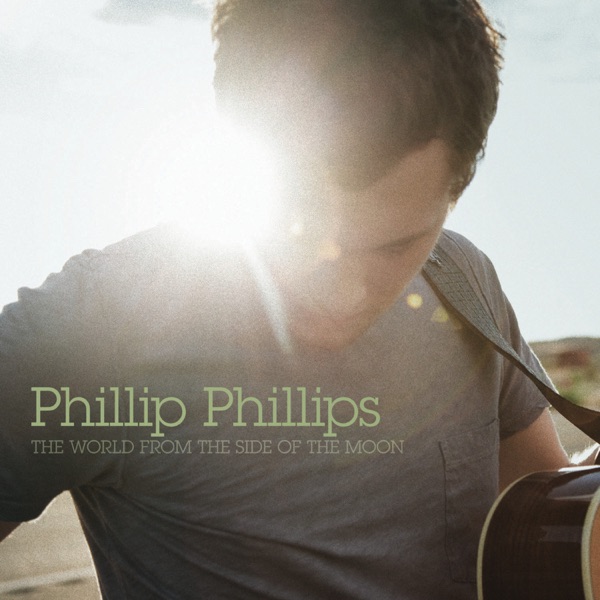
Phillip Phillips · The World From the Side of the Moon (Deluxe Version)
A gentle anthem of presence and hope through uncertain roads.
Where the words land
Signal: Edifying.
What do these signals mean?
- Edifying: Points the heart toward God, truth, hope, or love.
- Worth Weighing: Real good and real concern together. Test it before you take it in.
- Strained: Strains against Scripture: leans toward what could dull or mislead.
- At Odds: At odds with Scripture: celebrates what it warns against. Little here builds up.
Weighed against Scripture
“Just know you're not alone”
Be strong and courageous; do not be afraid or terrified of them, for it is the LORD your God who goes with you; He will never leave you nor forsake you.”
The promise of presence and not being abandoned echoes God's own assurance to His people facing the unknown.
“Don't pay no mind to the demons, they fill you with fear”
“For God has not given us a spirit of fear, but of power, love, and self-control.”
The call to resist fear and trust a steadier source of courage mirrors this charge against a spirit of fear.
“If you get lost, you can always be found”
“What man among you, if he has a hundred sheep and loses one of them, does not leave the ninety-nine in the pasture and go after the one that is lost, until he finds it? And when he finds it, he joyfully puts it on his shoulders, comes home, and calls together his friends and neighbors to tell them, ‘Rejoice with me, for I have found my lost sheep!’
The image of being sought and found when lost recalls the shepherd who goes after the one who wanders.
The song as a whole
“God is our refuge and strength, an ever-present help in times of trouble.”
The song's overall posture of refuge amid upheaval reflects the Psalm's declaration of God as a very present help in trouble.
Words of Christ are set in red.
In short
This is a song of comfort for someone facing an uncertain road, offering steady companionship rather than easy answers. It names fear and trouble honestly but keeps turning back toward reassurance and belonging. There's no overt theology here, but the shape of its hope, presence, rescue, and home, lines up with much of what Scripture offers the weary.
What do these ratings mean?
- Lyrical content, what the words say on the surface. Clean: nothing coarse, sexual or violent. Mild: a trace of it, by allusion or a rare word. Strong: profanity, sex or violence in plain words. Explicit: graphic, or sin held up to admire.
- Spiritual posture, where the song's heart points. God-honoring: toward God, truth or hope. Searching: honestly reaching or wrestling toward truth, without arriving. Neutral: spiritually indifferent; neither reaches nor rejects. Dark: despairing, nihilistic, self-exalting or hostile to God.
- Apparent intent, what the song is for. Edifying: worship, encouragement, honest lament. Cathartic: letting grief, anger or longing out, told honestly. Ambiguous: hard to say what the song is for. Harmful: celebrates evil, mocks faith or draws toward sin.
Who or what do you lean on when the road feels unfamiliar, and does that source actually hold?
An AI-assisted reading. It can misread a lyric, a metaphor or a song’s intent.



