Hurt
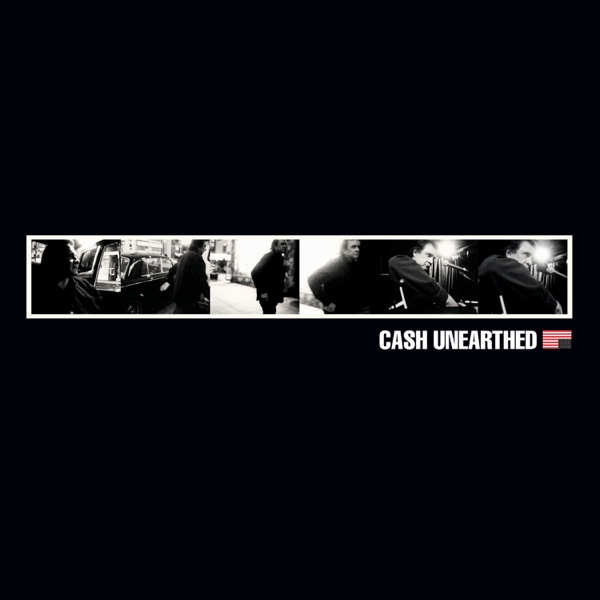
Johnny Cash · Unearthed (Box Set)
A dying man's unflinching confession that aches, however faintly, for redemption.
Where the words land
Signal: Worth Weighing, leaning edifying.
What do these signals mean?
- Edifying: Points the heart toward God, truth, hope, or love.
- Worth Weighing: Real good and real concern together. Test it before you take it in.
- Strained: Strains against Scripture: leans toward what could dull or mislead.
- At Odds: At odds with Scripture: celebrates what it warns against. Little here builds up.
Weighed against Scripture
“What have I become”
“For I know my transgressions, and my sin is always before me. Against You, You only, have I sinned and done what is evil in Your sight, so that You may be proved right when You speak and blameless when You judge.”
The line carries the weight of self-accusation found in David's penitential psalm, naming one's own failure without excuse.
“I wear this crown of thorns”
And they twisted together a crown of thorns and set it on His head. They put a staff in His right hand, knelt down before Him, and mocked Him, saying, “Hail, King of the Jews!”
Cash borrows the image of Christ's mocked crown to describe his own guilt, an inversion that still points, however obliquely, toward the cross as the place where such shame is answered.
The song as a whole
“What a wretched man I am! Who will rescue me from this body of death?”
The cry of a man at war with himself, desperate for rescue from his own ruin, mirrors Paul's own anguished confession.
“Futility of futilities,” says the Teacher, “futility of futilities! Everything is futile!” What does a man gain from all his labor, at which he toils under the sun?
The same weary realization that all things under the sun slip away and amount to vapor.
“Because of the loving devotion of the LORD we are not consumed, for His mercies never fail. They are new every morning; great is Your faithfulness!”
Beneath the wish for a fresh start lies a longing for mercy renewed, the same hope Lamentations anchors in God's unfailing compassion, even if the song never names it.
In short
This is a dying man's reckoning with addiction, broken relationships, and squandered years, sung with none of the swagger such confessions usually carry. The darkness is real and unflinching, but the final verse turns, however faintly, toward wanting to start again and find a way. It is less a celebration of ruin than a man staring honestly at what he's become.
- Lyrical content
References self-harm and needle use through metaphor, not graphic detail; language is restrained throughout.
- Spiritual posture
A man surveying the wreckage of his life with brutal honesty, aching for a way back rather than reveling in the ruin.
- Apparent intent
Cash's reading of this Trent Reznor song became a death-bed reckoning, a confession of regret sung by someone near the end of his life.
What do these ratings mean?
- Lyrical content, what the words say on the surface. Clean: nothing coarse, sexual or violent. Mild: a trace of it, by allusion or a rare word. Strong: profanity, sex or violence in plain words. Explicit: graphic, or sin held up to admire.
- Spiritual posture, where the song's heart points. God-honoring: toward God, truth or hope. Searching: honestly reaching or wrestling toward truth, without arriving. Neutral: spiritually indifferent; neither reaches nor rejects. Dark: despairing, nihilistic, self-exalting or hostile to God.
- Apparent intent, what the song is for. Edifying: worship, encouragement, honest lament. Cathartic: letting grief, anger or longing out, told honestly. Ambiguous: hard to say what the song is for. Harmful: celebrates evil, mocks faith or draws toward sin.
Does this song's honesty about regret and ruin leave you more aware of your own need for grace, or does it simply sit with you in the dark?
An AI-assisted reading. It can misread a lyric, a metaphor or a song’s intent.


