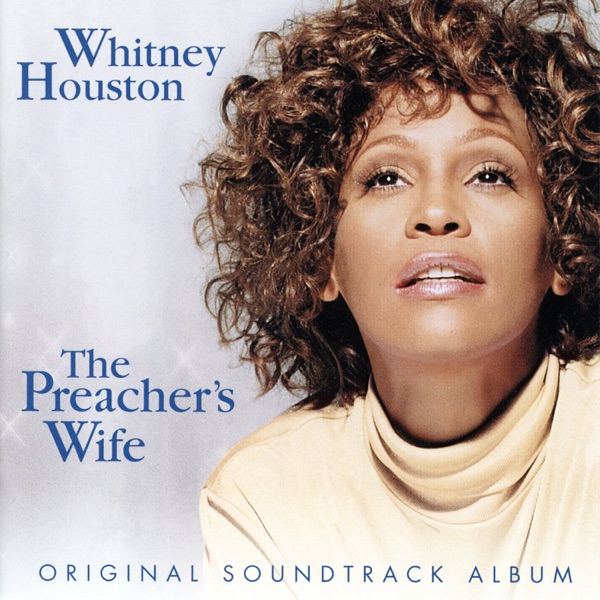
I Believe In You and Me
Whitney Houston · The Preacher's Wife (Original Soundtrack Album)
A sincere vow of faithful love, wholesome though purely human in focus.
Where the words land
Signal: Edifying.
What do these signals mean?
- Edifying: Points the heart toward God, truth, hope, or love.
- Worth Weighing: Real good and real concern together. Test it before you take it in.
- Strained: Strains against Scripture: leans toward what could dull or mislead.
- At Odds: At odds with Scripture: celebrates what it warns against. Little here builds up.
Weighed against Scripture
“I was lost, now I'm free”
But it was fitting to celebrate and be glad, because this brother of yours was dead and is alive again; he was lost and is found.’”
The song borrows the language of being lost and found for romantic devotion, while Scripture reserves this rescue imagery for being found by God, a much deeper freedom than human love alone can provide.
“I will play the fool forever”
“A friend loves at all times, and a brother is born for adversity.”
The willingness to look foolish for loyal love echoes the proverb's picture of a friend who loves at all times, even at cost to oneself.
The song as a whole
“Love is patient, love is kind. It does not envy, it does not boast, it is not proud. It is not rude, it is not self-seeking, it is not easily angered, it keeps no account of wrongs. Love takes no pleasure in evil, but rejoices in the truth. It bears all things, believes all things, hopes all things, endures all things.”
The song's picture of loyal, patient, enduring love ('never leave your side') resonates with Paul's description of love that bears and hopes all things.
Words of Christ are set in red.
In short
This is a sincere, uncomplicated declaration of romantic devotion, promising faithfulness 'in love eternally.' It borrows language of being lost and found, but applies it to a human relationship rather than any spiritual journey. There's nothing dark or harmful here, just an earnest, hopeful love song.
- Spiritual posture
The devotion and language of being 'lost, now I'm free' borrow a redemptive shape but are aimed entirely at a romantic partner, not God.
What do these ratings mean?
- Lyrical content, what the words say on the surface. Clean: nothing coarse, sexual or violent. Mild: a trace of it, by allusion or a rare word. Strong: profanity, sex or violence in plain words. Explicit: graphic, or sin held up to admire.
- Spiritual posture, where the song's heart points. God-honoring: toward God, truth or hope. Searching: honestly reaching or wrestling toward truth, without arriving. Neutral: spiritually indifferent; neither reaches nor rejects. Dark: despairing, nihilistic, self-exalting or hostile to God.
- Apparent intent, what the song is for. Edifying: worship, encouragement, honest lament. Cathartic: letting grief, anger or longing out, told honestly. Ambiguous: hard to say what the song is for. Harmful: celebrates evil, mocks faith or draws toward sin.
Does this song's picture of unconditional love point you toward the deeper love it borrows its language from?
An AI-assisted reading. It can misread a lyric, a metaphor or a song’s intent.