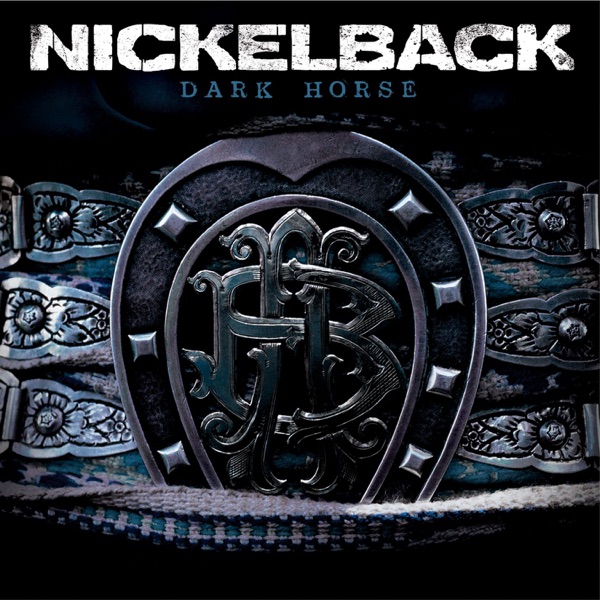
I'd Come for You
Nickelback · Dark Horse
A tender pledge of loyalty and reconciliation in romantic love.
Where the words land
Signal: Edifying.
What do these signals mean?
- Edifying: Points the heart toward God, truth, hope, or love.
- Worth Weighing: Real good and real concern together. Test it before you take it in.
- Strained: Strains against Scripture: leans toward what could dull or mislead.
- At Odds: At odds with Scripture: celebrates what it warns against. Little here builds up.
Weighed against Scripture
“Give my life for you”
“Greater love has no one than this, that he lay down his life for his friends.”
The language of sacrificial love echoes Christ's words about laying down one's life for another, though here it's romantic hyperbole rather than literal sacrifice.
The song as a whole
“Whoever conceals an offense promotes love, but he who brings it up separates friends.”
Seeking forgiveness and covering over a wrong rather than dwelling on it mirrors this proverb's call to love that overlooks offense.
“What man among you, if he has a hundred sheep and loses one of them, does not leave the ninety-nine in the pasture and go after the one that is lost, until he finds it?
The devotion to pursue someone who is lost until they are found echoes the shepherd's relentless search, though here directed at a romantic partner rather than God's pursuit of people.
“Love is patient, love is kind. It does not envy, it does not boast, it is not proud. It is not rude, it is not self-seeking, it is not easily angered, it keeps no account of wrongs. Love takes no pleasure in evil, but rejoices in the truth. It bears all things, believes all things, hopes all things, endures all things.”
The song's vow of unconditional devotion gestures toward the kind of love Paul describes, but its romantic, exclusive framing lacks the selfless, others-oriented dimension of biblical love.
Words of Christ are set in red.
In short
This is a love song about reconciliation and devotion after causing pain in a relationship. The singer pledges total loyalty and willingness to sacrifice for his partner, seeking to restore trust after a wrong. There's no spiritual dimension here, it's purely about romantic commitment.
- Spiritual posture
Entirely focused on romantic love and reconciliation between two people; no reach toward or away from God.
- Apparent intent
Written as a heartfelt pledge of loyalty after a relational wound, aiming to reassure and restore trust.
What do these ratings mean?
- Lyrical content, what the words say on the surface. Clean: nothing coarse, sexual or violent. Mild: a trace of it, by allusion or a rare word. Strong: profanity, sex or violence in plain words. Explicit: graphic, or sin held up to admire.
- Spiritual posture, where the song's heart points. God-honoring: toward God, truth or hope. Searching: honestly reaching or wrestling toward truth, without arriving. Neutral: spiritually indifferent; neither reaches nor rejects. Dark: despairing, nihilistic, self-exalting or hostile to God.
- Apparent intent, what the song is for. Edifying: worship, encouragement, honest lament. Cathartic: letting grief, anger or longing out, told honestly. Ambiguous: hard to say what the song is for. Harmful: celebrates evil, mocks faith or draws toward sin.
Does this song's picture of sacrificial devotion point you toward the deeper love it echoes, or does it stay only in the realm of romance for you?
An AI-assisted reading. It can misread a lyric, a metaphor or a song’s intent.