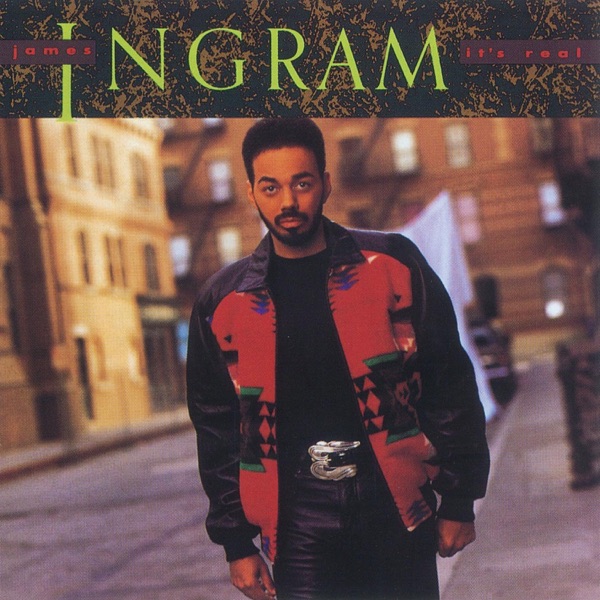
I Don't Have the Heart
James Ingram · It's Real
A tender, honest ache about love that can't be returned in kind.
Where the words land
Signal: Edifying, leaning worth weighing.
What do these signals mean?
- Edifying: Points the heart toward God, truth, hope, or love.
- Worth Weighing: Real good and real concern together. Test it before you take it in.
- Strained: Strains against Scripture: leans toward what could dull or mislead.
- At Odds: At odds with Scripture: celebrates what it warns against. Little here builds up.
Weighed against Scripture
“I don't have the heart to hurt you”
“Love must be sincere. Detest what is evil; cling to what is good.”
The singer's reluctance to wound someone reflects a genuine instinct toward sincere, non-hypocritical love, even as he withholds romantic love he can't honestly give.
“You're so trusting and open”
“Love is patient, love is kind. It does not envy, it does not boast, it is not proud. It is not rude, it is not self-seeking, it is not easily angered, it keeps no account of wrongs. Love takes no pleasure in evil, but rejoices in the truth. It bears all things, believes all things, hopes all things, endures all things.”
Love described here endures and commits; the song's love cannot meet that standard, highlighting the gap between affection and the fuller love being hoped for.
The song as a whole
“Hope deferred makes the heart sick, but desire fulfilled is a tree of life.”
The hoped-for love that never arrives captures the 'hope deferred' ache running beneath the whole song, even though it never turns toward God for comfort.
In short
This is a gentle, guilt-laden breakup song about caring for someone without being able to love them the way they need. It doesn't moralize or dramatize; it just names an honest, uncomfortable human tension. There's compassion here, though it stays entirely on the human plane.
- Spiritual posture
Focused on human romantic compassion and guilt, not reaching toward or away from God either way.
- Apparent intent
Sincere expression of the pain of disappointing someone who loves you more than you can return, aiming for empathy rather than cruelty.
What do these ratings mean?
- Lyrical content, what the words say on the surface. Clean: nothing coarse, sexual or violent. Mild: a trace of it, by allusion or a rare word. Strong: profanity, sex or violence in plain words. Explicit: graphic, or sin held up to admire.
- Spiritual posture, where the song's heart points. God-honoring: toward God, truth or hope. Searching: honestly reaching or wrestling toward truth, without arriving. Neutral: spiritually indifferent; neither reaches nor rejects. Dark: despairing, nihilistic, self-exalting or hostile to God.
- Apparent intent, what the song is for. Edifying: worship, encouragement, honest lament. Cathartic: letting grief, anger or longing out, told honestly. Ambiguous: hard to say what the song is for. Harmful: celebrates evil, mocks faith or draws toward sin.
Does this song's honesty about mismatched love stir any gratitude for love that doesn't fail you?
An AI-assisted reading. It can misread a lyric, a metaphor or a song’s intent.


