I'm the Only One
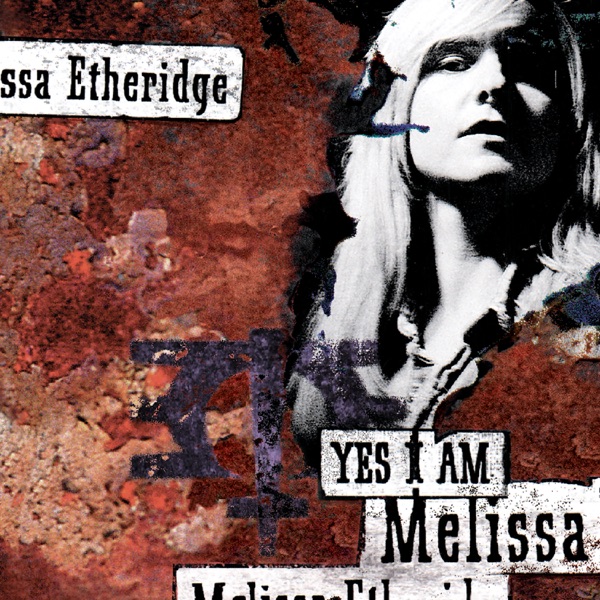
Melissa Etheridge · Yes I Am
Fierce devotion curdles into possessive desperation with no way out.
Where the words land
Signal: Strained, leaning worth weighing.
What do these signals mean?
- Edifying: Points the heart toward God, truth, hope, or love.
- Worth Weighing: Real good and real concern together. Test it before you take it in.
- Strained: Strains against Scripture: leans toward what could dull or mislead.
- At Odds: At odds with Scripture: celebrates what it warns against. Little here builds up.
Weighed against Scripture
“My mind's a burnin' hell”
“Why are you downcast, O my soul? Why the unease within me? Put your hope in God, for I will yet praise Him for the salvation of His presence.”
The psalmist in anguish still turns his soul toward hope in God; here the anguish has no such outlet, only torment.
“I'm the only one who'll walk across the fire for you”
“Set me as a seal over your heart, as a seal upon your arm. For love is as strong as death, its jealousy as unrelenting as Sheol. Its sparks are fiery flames, the fiercest blaze of all. Mighty waters cannot quench love; rivers cannot sweep it away. If a man were to give all the wealth of his house for love, his offer would be utterly scorned.”
Love as fierce and unyielding as this passage describes, though here it curdles into possessiveness rather than covenant devotion.
“Ain't nobody is gonna love you”
“For I am convinced that neither death nor life, neither angels nor principalities, neither the present nor the future, nor any powers, neither height nor depth, nor anything else in all creation, will be able to separate us from the love of God that is in Christ Jesus our Lord.”
The song insists love depends on one fragile human relationship, while this passage grounds love in something nothing can sever.
The song as a whole
“He heals the brokenhearted and binds up their wounds.”
Scripture points to a God who heals the brokenhearted; the song stays inside the wound without reaching for healing.
In short
This is a raw breakup song built on jealousy, wounded pride, and the belief that one person's love is the only thing that can save another from their own demons. The self-harm imagery and desperate possessiveness give it real emotional weight, but the song never looks past the relationship itself for any kind of healing or hope. It's catharsis without resolution, an ache that stays an ache.
- Lyrical content
No profanity, but vivid imagery of self-harm ('razors ripping and tearing') and raw romantic desperation runs throughout.
- Spiritual posture
The song centers on possessive desire and the claim that one person's love is the only thing that can save another, with no room for anything beyond romantic obsession.
- Apparent intent
Etheridge channels real heartbreak and jealousy into a declaration of fierce devotion; it's emotionally honest but offers no resolution beyond winning the lover back.
What do these ratings mean?
- Lyrical content, what the words say on the surface. Clean: nothing coarse, sexual or violent. Mild: a trace of it, by allusion or a rare word. Strong: profanity, sex or violence in plain words. Explicit: graphic, or sin held up to admire.
- Spiritual posture, where the song's heart points. God-honoring: toward God, truth or hope. Searching: honestly reaching or wrestling toward truth, without arriving. Neutral: spiritually indifferent; neither reaches nor rejects. Dark: despairing, nihilistic, self-exalting or hostile to God.
- Apparent intent, what the song is for. Edifying: worship, encouragement, honest lament. Cathartic: letting grief, anger or longing out, told honestly. Ambiguous: hard to say what the song is for. Harmful: celebrates evil, mocks faith or draws toward sin.
Does this song's claim that only one person's love can save you match what you actually believe about where healing comes from?
An AI-assisted reading. It can misread a lyric, a metaphor or a song’s intent.


