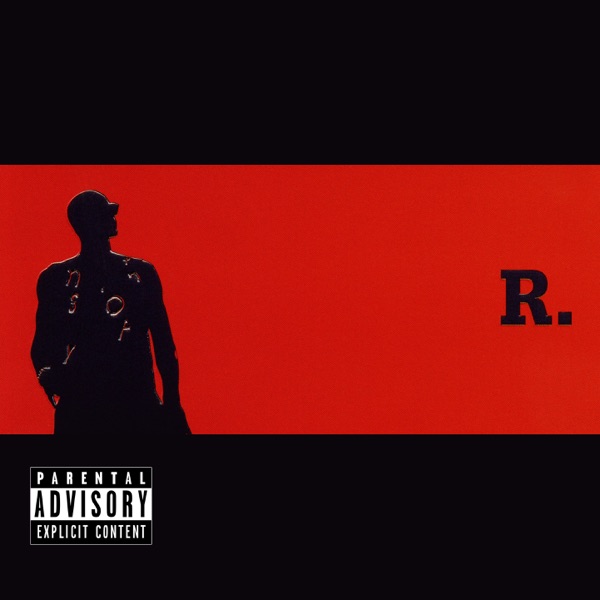
I'm Your Angel (with Celine Dion)
R. Kelly · R.
Comforting and hopeful, but muddles who the real rescuer is.
Where the words land
Signal: Worth Weighing, leaning edifying.
What do these signals mean?
- Edifying: Points the heart toward God, truth, hope, or love.
- Worth Weighing: Real good and real concern together. Test it before you take it in.
- Strained: Strains against Scripture: leans toward what could dull or mislead.
- At Odds: At odds with Scripture: celebrates what it warns against. Little here builds up.
Weighed against Scripture
“No mountain's too high for you to climb”
“Because you have so little faith,” He answered. “For truly I tell you, if you have faith the size of a mustard seed, you can say to this mountain, ‘Move from here to there,’ and it will move. Nothing will be impossible for you.”
The song's picture of faith moving impossible obstacles mirrors Jesus' teaching on faith like a mustard seed.
“All of your fears, cast them on me”
“Cast all your anxiety on Him, because He cares for you.”
Peter urges casting anxiety on God; here the singer offers himself as that place of rest, a sweet sentiment but a role only God fully fills.
“Seek me and you shall find”
“Ask, and it will be given to you; seek, and you will find; knock, and the door will be opened to you.”
Directly echoes Jesus' promise, though here redirected toward the singer rather than God.
“Just put your trust beyond the skies”
“I lift up my eyes to the hills. From where does my help come? My help comes from the LORD, the Maker of heaven and earth.”
This line finally turns the gaze upward, matching the psalmist's call to look beyond self for help.
“Grace will keep us safe and warm”
But He said to me, “My grace is sufficient for you, for My power is perfected in weakness.” Therefore I will boast all the more gladly in my weaknesses, so that the power of Christ may rest on me.
Grace as sustaining strength through hardship is a biblical theme, though the song leaves its source undefined.
Words of Christ are set in red.
In short
This is a tender promise of comfort to someone in despair, full of hope-filled language about faith, grace, and not giving up. Most of it could sit comfortably alongside a psalm of encouragement, but the singer positions himself as the 'angel' and rescuer rather than clearly pointing beyond himself to God. It's warm and well-intentioned, if theologically loose about who is actually doing the saving.
- Apparent intent
Meant as uplifting comfort, but the 'I am your angel' refrain blurs the line between human encouragement and divine rescue, especially knowing the artist's later history.
What do these ratings mean?
- Lyrical content, what the words say on the surface. Clean: nothing coarse, sexual or violent. Mild: a trace of it, by allusion or a rare word. Strong: profanity, sex or violence in plain words. Explicit: graphic, or sin held up to admire.
- Spiritual posture, where the song's heart points. God-honoring: toward God, truth or hope. Searching: honestly reaching or wrestling toward truth, without arriving. Neutral: spiritually indifferent; neither reaches nor rejects. Dark: despairing, nihilistic, self-exalting or hostile to God.
- Apparent intent, what the song is for. Edifying: worship, encouragement, honest lament. Cathartic: letting grief, anger or longing out, told honestly. Ambiguous: hard to say what the song is for. Harmful: celebrates evil, mocks faith or draws toward sin.
Does this song's comfort point you toward leaning on God, or toward leaning on the singer in God's place?
An AI-assisted reading. It can misread a lyric, a metaphor or a song’s intent.


