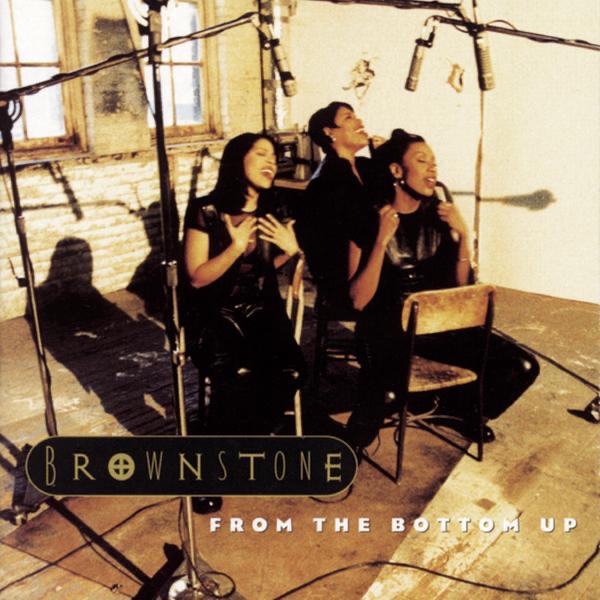
If You Love Me
Brownstone · From The Bottom Up
A plea for faithful love that drifts toward physical desire by the end.
Where the words land
Signal: Worth Weighing, leaning edifying.
What do these signals mean?
- Edifying: Points the heart toward God, truth, hope, or love.
- Worth Weighing: Real good and real concern together. Test it before you take it in.
- Strained: Strains against Scripture: leans toward what could dull or mislead.
- At Odds: At odds with Scripture: celebrates what it warns against. Little here builds up.
Weighed against Scripture
“Want a love that is based on truth not just dare”
“Love is patient, love is kind. It does not envy, it does not boast, it is not proud. It is not rude, it is not self-seeking, it is not easily angered, it keeps no account of wrongs. Love takes no pleasure in evil, but rejoices in the truth. It bears all things, believes all things, hopes all things, endures all things.”
The desire for a love rooted in truth and faithfulness rather than impulse mirrors Paul's description of patient, truthful love.
“Don't want your body without your soul”
“Set me as a seal over your heart, as a seal upon your arm. For love is as strong as death, its jealousy as unrelenting as Sheol. Its sparks are fiery flames, the fiercest blaze of all. Mighty waters cannot quench love; rivers cannot sweep it away. If a man were to give all the wealth of his house for love, his offer would be utterly scorned.”
This line's longing for a love that unites more than just physical desire reflects the Song's portrayal of love as a seal on the heart, not just the body.
“actions speak louder than words”
“Little children, let us love not in word and speech, but in action and truth.”
The call to prove love through deeds rather than mere words resonates with John's exhortation to love in truth and action.
The song as a whole
“Flee from sexual immorality. Every other sin a man can commit is outside his body, but he who sins sexually sins against his own body. Do you not know that your body is a temple of the Holy Spirit who is in you, whom you have received from God? You are not your own; you were bought at a price. Therefore glorify God with your body.”
The shift toward physical desire near the song's end stands in some tension with the earlier call for soul-deep faithfulness, echoing Paul's caution about physical intimacy detached from full commitment.
In short
This is a love song asking for sincerity and commitment, not just romantic words but consistent faithful action. It starts with a thoughtful, almost wise plea for integrity in relationship, but drifts by the end into more straightforwardly physical desire, leaving its ideals a bit unresolved. There's nothing destructive here, just a human love song with mixed focus.
- Lyrical content
Mostly clean; romantic and relational language with a mild suggestive turn near the end, but no explicit content.
- Spiritual posture
The song centers on human love and integrity in relationship rather than anything God-ward or self-destructive; it's simply focused on earthly romance.
- Apparent intent
Intent seems to be asking for sincerity and commitment in a relationship, though it drifts toward physical desire by the end, blurring the song's own stated values.
What do these ratings mean?
- Lyrical content, what the words say on the surface. Clean: nothing coarse, sexual or violent. Mild: a trace of it, by allusion or a rare word. Strong: profanity, sex or violence in plain words. Explicit: graphic, or sin held up to admire.
- Spiritual posture, where the song's heart points. God-honoring: toward God, truth or hope. Searching: honestly reaching or wrestling toward truth, without arriving. Neutral: spiritually indifferent; neither reaches nor rejects. Dark: despairing, nihilistic, self-exalting or hostile to God.
- Apparent intent, what the song is for. Edifying: worship, encouragement, honest lament. Cathartic: letting grief, anger or longing out, told honestly. Ambiguous: hard to say what the song is for. Harmful: celebrates evil, mocks faith or draws toward sin.
Does this song's vision of 'proving' love line up with the kind of love you want to both give and receive?
An AI-assisted reading. It can misread a lyric, a metaphor or a song’s intent.


